



The concept of the Blue Economy has emerged as a transformative framework for promoting sustainable use of ocean and aquatic resources while ensuring economic growth, environmental integrity, and social equity (Marwa et al., 2024; Cisneros-Montemayor et al., 2019). Rooted in the broader discourse of sustainable development, the Blue Economy emphasizes the responsible utilization of marine and freshwater ecosystems to generate livelihoods, food security, and economic value without compromising ecological balance (Mehmood et al., 2026; Elston et al., 2024). Globally, increasing pressure on terrestrial resources, coupled with rapid population growth and climate change, has intensified the need to explore alternative economic frontiers (Sumaila and Villasante, 2025; De Luca Peña et al., 2024). In this context, oceans, seas, and inland water bodies are increasingly recognized as critical assets that can contribute significantly to national and global economies (Gourvenec et al., 2025). The Blue Economy extends beyond traditional sectors such as fisheries and shipping to include emerging areas like marine biotechnology, renewable ocean energy, coastal tourism, and ecosystem services (Akter et al., 2025; Failler et al., 2021). From a global perspective, the Blue Economy is closely aligned with sustainability agendas, particularly the United Nations Sustainable Development Goals (SDGs), with strong linkages to SDG 14 (Life Below Water), as well as goals related to poverty alleviation, food security, and climate action (Gerou and Pantouvakis, 2025). Many countries have begun integrating Blue Economy principles into national policies to balance economic exploitation with conservation. However, the interpretation and implementation of the Blue Economy vary significantly across regions, depending on geographic, economic, and institutional contexts (Decker-Lange et al., 2026; Noort et al., 2026). Developed nations often focus on technological innovation and high-value marine industries, whereas developing countries tend to emphasize resource-based sectors such as fisheries and aquaculture, which are vital for livelihoods and food systems (Béné et al., 2016).
For coastal and developing nations, the Blue Economy presents a unique opportunity to address multiple development challenges simultaneously. These countries often possess extensive coastlines, rich marine biodiversity, and large populations dependent on aquatic resources (Kurniawan et al., 2026; Akter et al., 2025). As a result, the sustainable management of these resources is critical not only for economic growth but also for social stability and environmental resilience. In many developing regions, fisheries and aquaculture serve as primary sources of animal protein, employment, and income, particularly for marginalized coastal communities. The Blue Economy framework provides a strategic pathway to enhance productivity, improve governance, and ensure long-term sustainability of these sectors (Gourvenec et al., 2025; Hidayati and de Vries, 2025).
Bangladesh represents a compelling case for examining the role of fisheries and aquaculture within the Blue Economy framework. Geographically positioned at the northern apex of the Bay of Bengal, the country possesses a vast network of rivers, floodplains, estuaries, and coastal ecosystems (Sarker et al., 2018; Hossain, 2014). This unique hydrographic setting supports one of the most productive aquatic resource bases in the world. The fisheries sector in Bangladesh is broadly categorized into inland capture fisheries, inland aquaculture, and marine fisheries, each contributing significantly to national development (Shamsuzzaman et al., 2017a). Over the past few decades, aquaculture has emerged as a dominant subsector, driven by technological advancements, policy support, and increasing market demand (Haque and Mahmud, 2025).
The economic importance of fisheries and aquaculture in Bangladesh is substantial. The sector contributes a notable share to national gross domestic product (GDP) and plays a crucial role in export earnings (Shamsuzzaman et al., 2017b). Fish is a major component of the national diet, providing a significant proportion of animal protein intake. Furthermore, millions of people are directly or indirectly employed in fisheries-related activities, including harvesting, farming, processing, and marketing (Hossain et al., 2024). Small-scale fishers and aquaculture farmers, in particular, rely heavily on these resources for their livelihoods. The sector also has strong backward and forward linkages with other industries, such as feed production, transportation, and retail markets, thereby amplifying its economic impact (Shamsuzzaman et al., 2020).
Despite its importance, the fisheries and aquaculture sector in Bangladesh faces a range of challenges that threaten its sustainability and productivity. Overexploitation of fish stocks, habitat degradation, water pollution, and the impacts of climate change are among the most pressing concerns. Coastal ecosystems, including mangroves and estuaries, are increasingly under stress due to anthropogenic activities and environmental changes (Islam et al., 2017a). Climate-related factors such as sea-level rise, salinity intrusion, and extreme weather events further exacerbate these vulnerabilities. In addition, institutional and governance challenges, including inadequate regulatory enforcement, limited access to technology, and insufficient stakeholder coordination, hinder the effective management of aquatic resources (Shehab et al., 2025).
Within this context, integrating fisheries and aquaculture into the broader Blue Economy framework is both necessary and timely for Bangladesh. Such integration requires a holistic approach that considers ecological sustainability, economic viability, and social inclusiveness (Akter et al., 2025; Mondal et al., 2024). It also necessitates the adoption of innovative practices, improved governance mechanisms, and enhanced research and capacity-building efforts. By aligning fisheries and aquaculture development with Blue Economy principles, Bangladesh can optimize resource use, increase resilience to environmental changes, and promote equitable growth (Kurniawan et al., 2026; Mondal, 2025).
The rationale for this review is grounded in the need to synthesize existing knowledge on fisheries and aquaculture within the Blue Economy framework, with a specific focus on Bangladesh. While numerous studies have examined individual aspects of fisheries, aquaculture, or marine resource management, there remains a gap in comprehensive analyses that integrate these components under the Blue Economy paradigm (Ahmed and Islam, 2025; Islam, 2003). This review aims to bridge that gap by providing a consolidated overview of the sector, identifying key challenges and opportunities, and highlighting policy and research priorities.
This review examines the Blue Economy concept and evaluates the role, status, and contributions of fisheries and aquaculture in Bangladesh. It also identifies key challenges and opportunities to support sustainable development and inform policy and practice. This review highlights the strategic importance of integrating fisheries and aquaculture into the Blue Economy framework of Bangladesh to ensure sustainable resource use, economic growth, and food security. It underscores the need for improved governance, evidence-based policymaking, and stronger institutional coordination to address existing challenges. The findings also emphasize adopting climate-resilient and environmentally sustainable practices to enhance long-term productivity and ecosystem health.
2. Conceptual framework of Blue Economy
2.1 Definition and principles of Blue Economy
The Blue Economy refers to the sustainable use of ocean and aquatic resources for economic growth, improved livelihoods, and ecosystem health. It emphasizes balancing economic development with environmental conservation and social inclusion (Elston et al., 2024). Core principles include sustainability, resource efficiency, ecosystem-based management, and equitable benefit sharing. Unlike traditional ocean-based development models, the Blue Economy integrates ecological limits into economic planning to ensure long-term viability (Bennett et al., 2019).
2.2 Key sectors and components
The Blue Economy encompasses a wide range of marine and aquatic sectors. Traditional sectors include fisheries, aquaculture, shipping, and coastal tourism, while emerging sectors involve marine biotechnology, offshore renewable energy, seabed mining, and marine conservation services (Kurniawan et al., 2026). In the context of Bangladesh, fisheries and aquaculture represent the most dominant and economically significant components. These sectors are supported by value chains such as processing, transportation, marketing, and export industries, contributing to overall economic development (Haque and Mahmud, 2025).
2.3 Linkages with sustainability and SDGs
The Blue Economy is closely aligned with global sustainability frameworks, particularly the United Nations Sustainable Development Goals (SDGs). It directly contributes to SDG 14 (Life Below Water) by promoting the conservation and sustainable use of marine resources. Additionally, it supports SDG 1 (No Poverty), SDG 2 (Zero Hunger), SDG 8 (Decent Work and Economic Growth), and SDG 13 (Climate Action). By integrating environmental, economic, and social objectives, the Blue Economy provides a holistic approach to sustainable development, especially for coastal and resource-dependent nations (Lee et al., 2020).
2.4 Global trends and best practices
Globally, the Blue Economy is gaining momentum as countries adopt innovative strategies to optimize marine resource use. Developed nations are investing in advanced technologies such as offshore wind energy, marine spatial planning, and digital fisheries management (Abid and Abid, 2025). Many countries are also implementing ecosystem-based approaches, strengthening governance frameworks, and promoting public–private partnerships. Best practices include sustainable aquaculture systems, effective fisheries regulation, marine protected areas, and climate-resilient coastal management (Asio et al., 2026). These global experiences offer valuable lessons for Bangladesh in designing and implementing its own Blue Economy strategies.
3. Overview of fisheries and aquaculture in Bangladesh
3.1 Structure of the inland and marine fisheries sector
The fisheries sector in Bangladesh is broadly divided into inland fisheries and marine fisheries, each with distinct ecological, economic, and management characteristics. Inland fisheries dominate the sector, contributing the majority of total fish production. These systems include rivers, floodplains, beels (natural depressions), haors (seasonal wetlands), lakes, and man-made water bodies such as ponds and reservoirs. Bangladesh is endowed with one of the largest and most diverse inland water systems in the world, driven by the extensive network of the Ganges–Brahmaputra–Meghna river basin (Hossain, 2014). This hydrological complexity supports a rich diversity of fish species and provides critical habitats for breeding, feeding, and migration. Inland fisheries can be further categorized into capture fisheries and culture-based systems. Capture fisheries rely on natural productivity and seasonal hydrological cycles, particularly monsoon flooding, which expands aquatic habitats and enhances fish recruitment. However, these systems are increasingly under pressure from overfishing, habitat fragmentation, water diversion, and pollution (Haque et al., 2025). In contrast, culture-based inland fisheries, particularly pond aquaculture, have shown significant growth due to controlled production environments, technological interventions, and market-driven intensification (Alam and Haque, 2026).
Marine fisheries, although smaller in contribution compared to inland systems, play an important role in the Blue Economy framework. Bangladesh has access to a substantial maritime area in the Bay of Bengal, including an Exclusive Economic Zone (EEZ) that offers considerable potential for marine resource exploitation (Islam et al., 2024a). Marine fisheries are primarily artisanal and small-scale, operating in coastal waters with limited mechanization. Industrial trawling exists but is relatively underdeveloped compared to other maritime nations. Key marine species include shrimp, hilsa, tuna, and various demersal and pelagic fishes. The hilsa fishery, in particular, holds cultural and economic significance, contributing substantially to national fish production and export earnings (Alam et al., 2025a).
Despite the potential, marine fisheries in Bangladesh face challenges such as limited offshore capacity, inadequate infrastructure, and weak monitoring and enforcement systems. As a result, the sector remains underutilized relative to its resource base. Integrating marine fisheries into a broader Blue Economy strategy requires investment in technology, capacity building, and sustainable management practices (Akter et al., 2025; Sarker et al., 2018).
3.2 Aquaculture development trends
Aquaculture has emerged as the fastest-growing subsector within the fisheries sector in Bangladesh, transforming the country into one of the leading aquaculture producers globally. Over the past few decades, aquaculture has shifted from traditional, low-input practices to more intensive and semi-intensive systems driven by technological innovation, improved seed quality, and commercial feed use (Haque and Mahmud, 2025; Chandan and Roy, 2023). This transition has been supported by both public and private sector initiatives, including extension services, research programs, and investment in hatchery development. Pond aquaculture is the most dominant form, accounting for the largest share of aquaculture production. It involves the cultivation of both indigenous and exotic species, often in polyculture systems that optimize resource use and increase productivity. Carp species, tilapia, and pangasius are widely cultured due to their high growth rates, market demand, and adaptability to local conditions. The widespread adoption of improved management practices, such as better feeding regimes, water quality control, and disease management, has significantly enhanced production efficiency (Hossain et al., 2026a; Hossain et al., 2022). In addition to freshwater aquaculture, brackish water aquaculture, particularly shrimp and prawn farming, plays a crucial role in coastal regions. Shrimp farming is a major export-oriented industry, contributing significantly to foreign exchange earnings. However, it is also associated with environmental and social challenges, including salinity intrusion, mangrove degradation, and conflicts over land and water use (Ahmed, 2013). Recent trends indicate a gradual shift toward more sustainable and integrated aquaculture practices, including the adoption of environmentally friendly technologies and certification standards.
Another emerging trend is the expansion of cage and pen culture in open water bodies such as rivers and reservoirs. Although still in the early stages of development, these systems offer opportunities for increasing fish production without requiring additional land resources. Furthermore, advancements in hatchery technologies, genetic improvement programs, and feed formulation are expected to further drive aquaculture growth in Bangladesh (Al-Amin and Alam, 2016).
3.3 Production statistics and economic contribution
The fisheries and aquaculture sector is a vital component of the national economy of Bangladesh, contributing significantly to gross domestic product (GDP), agricultural output, and export earnings. Over the past decades, total fish production has increased substantially, largely driven by the rapid expansion of aquaculture. Inland aquaculture now accounts for the majority of total production, followed by inland capture fisheries and marine fisheries (Islam and Arzu, 2024). Fish is the most important source of animal protein in Bangladesh, accounting for a large proportion of dietary intake. The sector plays a critical role in ensuring national food security and nutritional well-being, particularly in rural areas where access to alternative protein sources may be limited. Increased fish production has contributed to improved per capita consumption, helping to address malnutrition and dietary deficiencies (Sarker et al., 2026). In economic terms, the fisheries sector contributes a notable share to the national GDP and an even larger share to the agricultural GDP. It also generates significant export revenues, particularly from shrimp and other high-value aquatic products. The export-oriented nature of certain subsectors has facilitated integration into global markets, although this also exposes the sector to international price fluctuations, quality standards, and trade regulations (Shamsuzzaman et al., 2020, 2022; Shamsuzzaman et al., 2017a). The value chain associated with fisheries and aquaculture extends beyond production to include processing, transportation, storage, and marketing. These activities generate additional economic value and employment opportunities, contributing to rural and urban economies alike. However, inefficiencies in the value chain, such as post-harvest losses, inadequate cold storage facilities, and limited access to markets, continue to constrain the sector’s full economic potential (Ali et al., 2026).
3.4 Employment and livelihood roles
Fisheries and aquaculture are among the most important sources of employment in Bangladesh, supporting millions of people directly and indirectly. The sector provides livelihoods for fishers, fish farmers, hatchery operators, feed suppliers, processors, traders, and transporters. A significant proportion of these stakeholders are located in rural and coastal areas, where alternative employment opportunities may be limited (Alam and Haque, 2026; Ghose, 2014). Small-scale and artisanal fishers constitute a large segment of the workforce, particularly in inland capture and coastal marine fisheries. These communities are often characterized by low income levels, limited access to education and healthcare, and high vulnerability to environmental and economic shocks. Aquaculture, particularly smallholder pond farming, has emerged as a viable pathway for poverty alleviation by providing income diversification and enhancing household food security (Hossain et al., 2026c).
Women play a crucial but often under-recognized role in the fisheries value chain. They are actively involved in activities such as fish processing, drying, net making, and marketing. In aquaculture, women’s participation is increasing, particularly in homestead pond management and small-scale enterprises. Enhancing gender inclusivity and providing targeted support to women can significantly improve the social and economic outcomes of the sector (Njogu et al., 2024). The sector also contributes to seasonal and part-time employment, especially in floodplain fisheries and coastal aquaculture systems. However, employment in fisheries is often characterized by informality, lack of social protection, and exposure to occupational hazards. Climate change further exacerbates livelihood vulnerabilities by affecting fish availability, altering ecosystems, and increasing the frequency of extreme events such as cyclones and floods (Tikadar et al., 2022). Strengthening the resilience of fisheries-dependent communities requires integrated approaches that combine sustainable resource management with social protection measures, capacity building, and access to financial services. Promoting alternative livelihoods, improving market access, and enhancing value addition can also contribute to more stable and diversified income sources (Saha et al., 2024).
3.5 Emerging issues and sectoral dynamics
The fisheries and aquaculture sector in Bangladesh is undergoing rapid transformation, influenced by demographic, environmental, and economic factors. Increasing population pressure and urbanization are driving demand for fish and fishery products, necessitating further intensification of production systems. At the same time, environmental concerns such as water quality degradation, biodiversity loss, and climate change impacts are raising questions about the sustainability of current practices (Haque and Mahmud, 2025). Technological advancements, including digital monitoring systems, improved breeding techniques, and precision aquaculture, offer new opportunities for enhancing productivity and sustainability. However, the adoption of these technologies remains uneven, particularly among small-scale producers who face constraints related to cost, knowledge, and infrastructure (Rather et al., 2024). Institutional and policy frameworks are also evolving, with increased emphasis on sustainable management, conservation, and Blue Economy integration. Effective governance, stakeholder participation, and cross-sectoral coordination will be critical in addressing the complex challenges facing the sector (Das et al., 2024; Islam et al., 2024b).
4. Role of fisheries and aquaculture in the Blue Economy
4.1 Contribution to food security and nutrition
Fisheries and aquaculture are fundamental to food security and nutritional improvement in Bangladesh. Fish represents the primary source of animal protein for a large proportion of the population and provides essential micronutrients such as omega-3 fatty acids, vitamins, and minerals. These nutrients are critical for physical growth, cognitive development, and prevention of diet-related deficiencies (Bogard et al., 2015). The expansion of aquaculture has significantly increased fish availability, helping to stabilize supply and reduce pressure on declining capture fisheries. Small-scale aquaculture systems, particularly homestead ponds, contribute directly to household nutrition by ensuring regular access to fresh fish. In addition, diversified aquaculture production has improved dietary variety and strengthened resilience against seasonal and environmental fluctuations in fish supply (Rifat et al., 2023). Despite these gains, sustaining food security requires careful management of aquatic resources. Overfishing, habitat degradation, and climate-induced changes in water systems threaten long-term productivity (Figure 1). Integrating fisheries and aquaculture within the Blue Economy framework supports sustainable production systems that balance nutritional needs with ecosystem conservation (Kurniawan et al., 2026; Haque and Mahmud, 2025).
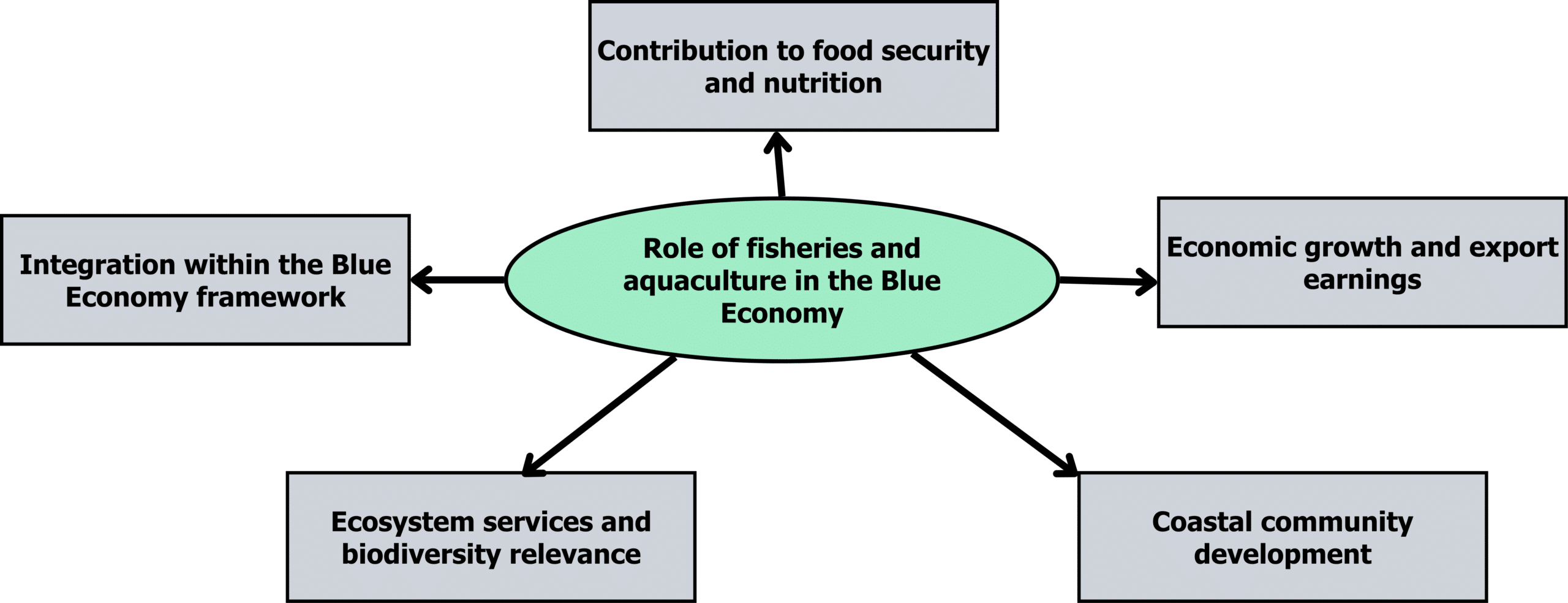
Figure 1. The role of fisheries and aquaculture section in Blue Economy of Bangladesh.
4.2 Economic growth and export earnings
Fisheries and aquaculture contribute substantially to the national economy of Bangladesh through income generation, employment creation, and foreign exchange earnings. The sector forms an important component of agricultural GDP, with aquaculture serving as a major driver of recent growth. Increased production efficiency and commercialization have transformed fisheries into a dynamic and expanding economic sector (Shamsuzzaman et al., 2022; Hossain, 2014). Export-oriented products, particularly shrimp and prawn, play a significant role in earning foreign currency. These commodities are integrated into global seafood markets and must comply with international quality, safety, and sustainability standards. This has encouraged improvements in processing infrastructure, value chain efficiency, and certification systems (Rivera-Ferre, 2009). At the domestic level, fisheries support a wide range of economic activities, including harvesting, farming, processing, transportation, and retail distribution. These interconnected activities enhance rural and urban economies and generate significant employment opportunities. Strengthening infrastructure, reducing post-harvest losses, and improving market access are essential for maximizing economic returns (Azad and Azad, 2022; Nadia et al., 2022).
4.3 Coastal community development
Fisheries and aquaculture play a vital role in supporting livelihoods and promoting socio-economic development in coastal and rural communities. In many coastal regions, where agricultural productivity is constrained by salinity intrusion and environmental vulnerability, aquatic resources provide the primary source of income and employment (Alam et al., 2025b). Aquaculture expansion, particularly shrimp farming, has contributed to local economic development by generating employment opportunities and stimulating infrastructure development. Fisheries activities also create backward and forward linkages with other sectors, including input supply, transportation, and processing industries, thereby enhancing regional economic integration (Abdullah et al., 2017). However, the benefits of fisheries development are not evenly distributed. Small-scale fishers and aquaculture farmers often face limited access to credit, technology, and markets. Resource-use conflicts, land tenure issues, and environmental pressures can further exacerbate socio-economic inequalities. Women contribute significantly to post-harvest processing and marketing activities, yet their roles are often undervalued and underrepresented in formal decision-making structures (Alam and Yousuf, 2024). The Blue Economy framework emphasizes inclusive and equitable development. Strengthening community participation, improving access to financial and technical resources, and promoting gender equity are essential for ensuring that the benefits of fisheries and aquaculture are broadly shared across society (Islam et al., 2024c).
4.4 Ecosystem services and biodiversity relevance
Aquatic ecosystems provide essential ecosystem services that support fisheries and aquaculture while maintaining environmental balance. Rivers, estuaries, wetlands, and coastal zones function as critical habitats for fish breeding, feeding, and migration. These ecosystems also contribute to water purification, nutrient cycling, flood regulation, and carbon sequestration (Ferreira et al., 2023).
Biodiversity is a key determinant of ecosystem productivity and resilience. Diverse fish populations enhance ecological stability and improve the capacity of aquatic systems to adapt to environmental changes. In Bangladesh, ecosystems such as mangrove forests and floodplain wetlands play a crucial role in sustaining fisheries productivity while also providing protection against natural hazards such as cyclones and storm surges (Islam et al., 2017b). However, increasing anthropogenic pressures, including overfishing, pollution, habitat loss, and climate change, are threatening aquatic biodiversity. Unsustainable aquaculture practices may also contribute to environmental degradation through water contamination, disease transmission, and genetic dilution of native species (Brander, 2007). The Blue Economy framework promotes ecosystem-based management approaches that integrate conservation and development objectives. Protecting critical habitats, adopting sustainable aquaculture practices, and enforcing effective fisheries regulations are essential for maintaining ecosystem services. Combining scientific research with policy implementation and community engagement can ensure the long-term sustainability of aquatic ecosystems (Sahu and Doppalapudi, 2025).
4.5 Integration within the Blue Economy framework
The integration of fisheries and aquaculture into the Blue Economy framework provides a comprehensive approach to balancing economic development with environmental sustainability. These sectors are not only sources of food and income but also critical components of coastal resilience and ecosystem health (Mehmood et al., 2026; Sahu and Doppalapudi, 2025). Sustainable management practices, technological innovation, and improved governance systems are necessary to fully realize their potential. This includes adopting ecosystem-based fisheries management, promoting climate-resilient aquaculture systems, and enhancing value chain efficiency. Policy coherence across sectors such as agriculture, environment, and trade is also essential for effective Blue Economy implementation (Alam and Haque, 2026; Cortes et al., 2026).
5. Challenges and constraints
5.1 Overfishing and resource depletion
One of the major challenges facing fisheries in Bangladesh is the continuous pressure on natural fish stocks due to overfishing. Increasing demand for fish, combined with population growth and limited alternative livelihoods, has led to excessive harvesting from both inland and marine ecosystems. Many commercially important species are experiencing declining abundance, altered population structures, and reduced average size. Destructive fishing practices, including the use of fine-mesh nets and unregulated harvesting during breeding seasons, further exacerbate resource depletion (Mozumder et al., 2023; Ghose, 2014). In inland open-water systems, the disruption of natural breeding and migration routes due to infrastructure development, siltation, and water diversion has intensified stress on fish populations (Figure 2). Similarly, coastal and marine fisheries are increasingly affected by intensified fishing efforts and limited enforcement of catch regulations. Without effective management interventions, continued overexploitation threatens the long-term sustainability of fishery resources and undermines their contribution to the Blue Economy (Haque et al., 2025; Hossain et al., 2006).

Figure 2. Challenges and constraints in developing and establishing the Blue Economy in Bangladesh.
5.2 Climate change impacts
Climate change poses a significant threat to fisheries and aquaculture systems in Bangladesh due to its low-lying geography and high exposure to environmental variability. Rising temperatures affect metabolic rates, growth patterns, and reproductive cycles of aquatic species. Changes in rainfall patterns and freshwater flow also alter habitat conditions, particularly in estuarine and floodplain ecosystems (Hossain et al., 2026a; Sunny and Prapti, 2022). Sea-level rise and salinity intrusion are particularly critical in coastal regions, where they impact both wild fisheries and aquaculture systems. Increased salinity can reduce freshwater fish diversity and productivity while simultaneously affecting soil and water quality in aquaculture ponds. Additionally, extreme weather events such as cyclones, storm surges, and floods cause direct damage to fishing infrastructure, aquaculture farms, and coastal communities (Haque et al., 2025; Rahman et al., 2011). These climate-related pressures reduce system stability and increase vulnerability, particularly for small-scale fishers and farmers who have limited adaptive capacity. Strengthening climate resilience through adaptive management, early warning systems, and resilient aquaculture practices is essential for safeguarding the sector (Ngo et al., 2025).
5.3 Pollution and habitat degradation
Aquatic ecosystems in Bangladesh are increasingly affected by pollution and habitat degradation. Industrial effluents, agricultural runoff, domestic waste, and plastic pollution contribute to declining water quality in rivers, wetlands, and coastal areas. These pollutants negatively impact fish health, reproduction, and survival rates, thereby reducing overall productivity (Shaika et al., 2025). Habitat degradation is also a major concern, particularly in floodplain and coastal ecosystems. Conversion of wetlands for agriculture, urban expansion, and infrastructure development has led to the loss of critical fish breeding and nursery grounds. Mangrove degradation in coastal areas further reduces ecological protection and biodiversity support functions (Ballut-Dajud et al., 2022). Sedimentation and riverine alterations have also changed hydrological regimes, affecting natural fish migration and spawning cycles. The cumulative impact of these environmental pressures significantly undermines the ecological integrity of aquatic systems and reduces their capacity to support sustainable fisheries and aquaculture (Chen et al., 2023).
5.4 Governance and policy gaps
Weak governance and policy implementation remain critical constraints in the sustainable development of fisheries and aquaculture. Although Bangladesh has developed several policies and regulatory frameworks, enforcement is often inconsistent due to institutional limitations, resource constraints, and coordination challenges among agencies (Alam and Haque, 2026). Illegal, unreported, and unregulated fishing continues to be a persistent issue, particularly in marine and open-water fisheries. Inadequate monitoring and surveillance systems reduce the effectiveness of fisheries management measures, including seasonal bans and protected area regulations. In addition, overlapping institutional mandates and limited stakeholder participation hinder integrated resource management (Mozumder et al., 2023; Simataa et al., 2025). Policy gaps also exist in aligning fisheries and aquaculture development with broader Blue Economy objectives. Greater policy coherence is needed across sectors such as environment, agriculture, water resources, and trade to ensure sustainable and coordinated development. Strengthening governance structures, enhancing transparency, and promoting community-based management approaches are essential for improving sector performance (Kurniawan et al., 2026).
5.5 Technological and infrastructural limitations
Technological and infrastructural constraints significantly limit the efficiency and productivity of fisheries and aquaculture in Bangladesh. Many small-scale fishers and farmers lack access to modern technologies such as improved breeding techniques, disease diagnostics, feed optimization, and water quality management systems. As a result, production efficiency remains suboptimal in many areas (Ahmed et al., 2024; Islam et al., 2024d). In marine fisheries, limited access to modern fishing vessels, navigation systems, and cold storage facilities restricts the ability to exploit offshore resources effectively. Post-harvest losses remain high due to inadequate processing, preservation, and transportation infrastructure. This not only reduces economic returns but also affects product quality and export competitiveness (Mandal et al., 2024). In aquaculture, dependence on traditional practices in some regions limits productivity gains. Although technological adoption has improved in recent years, disparities remain between commercial and smallholder producers. Expanding access to affordable technologies, strengthening extension services, and improving infrastructure are necessary to overcome these limitations (Haque and Mahmud, 2025).
6. Opportunities and future prospects
6.1 Sustainable aquaculture innovations
Sustainable aquaculture presents one of the most promising pathways for expanding the Blue Economy in Bangladesh. The shift from traditional extensive systems to semi-intensive and intensive farming has already demonstrated significant productivity gains. Future progress is expected to be driven by innovations such as integrated multi-trophic aquaculture (IMTA), biofloc technology, recirculating aquaculture systems (RAS), and improved feed formulations (Ranjan et al., 2026; Haque and Mahmud, 2025). These innovations can enhance production efficiency while minimizing environmental impacts such as water pollution, disease outbreaks, and resource overuse. Selective breeding programs and genetic improvement of cultured species also offer opportunities to increase growth rates, disease resistance, and feed conversion efficiency. In addition, digital technologies such as remote monitoring systems and data-driven farm management tools are emerging as important components of modern aquaculture systems (Ranjan et al., 2026). The expansion of sustainable aquaculture can play a central role in meeting growing domestic demand for fish while also contributing to export earnings. However, ensuring equitable access to these technologies, particularly for smallholder farmers, will be essential for inclusive development (Haque and Mahmud, 2025).
6.2 Marine fisheries management improvements
Marine fisheries in Bangladesh remain underexploited relative to their potential, creating significant opportunities for improved management and sustainable expansion. Strengthening scientific stock assessment, enforcing catch limits, and implementing ecosystem-based fisheries management are key priorities for ensuring long-term sustainability (Shamsuzzaman et al., 2017b). The introduction of modern monitoring systems, including vessel tracking technologies and digital reporting platforms, can improve compliance and reduce illegal, unreported, and unregulated (IUU) fishing. Expanding marine protected areas and establishing seasonal fishing closures can also help restore depleted fish stocks and maintain ecosystem balance (Henriques et al., 2025; Mozumder et al., 2023). Offshore fisheries development, particularly in deeper waters, represents a major opportunity for increasing national fish production. However, this requires investment in modern fishing fleets, skilled human resources, and supporting infrastructure such as cold storage and processing facilities. Strengthening institutional capacity and regional cooperation in the Bay of Bengal will further enhance sustainable marine resource utilization (Islam et al., 2024a).
6.3 Blue biotechnology and value addition
Blue biotechnology offers emerging opportunities for diversifying and enhancing the value of fisheries and aquaculture products. This includes the development of high-value products such as nutraceuticals, pharmaceuticals, bioactive compounds, and functional foods derived from marine and aquatic organisms (Uddin and Islam, 2019). Bangladesh has significant potential to explore value-added processing of fishery products, including surimi, fish oil, collagen, and protein concentrates. These products not only increase economic returns but also reduce waste and improve resource efficiency. Investment in processing technologies, quality assurance systems, and export certification can strengthen competitiveness in global markets (Mojibul et al., 2022). In addition, biotechnology applications in disease diagnosis, vaccine development, and feed enhancement can significantly improve aquaculture productivity and sustainability. Developing research capacity and fostering collaboration between academia, industry, and government institutions will be critical for advancing this sector (Lokko et al., 2018).
6.4 Policy integration and regional cooperation
Effective policy integration is essential for realizing the full potential of the Blue Economy. Fisheries and aquaculture development must be aligned with national strategies related to agriculture, environment, climate change, trade, and rural development. A coordinated policy framework can help avoid sectoral conflicts and promote synergistic outcomes (Hidayati and de Vries, 2025; March et al., 2024). Institutional strengthening and improved governance mechanisms are also required to ensure effective implementation of policies. This includes enhancing regulatory enforcement, improving data collection systems, and increasing stakeholder participation in decision-making processes (Handoyo, 2024). At the regional level, cooperation among Bay of Bengal countries offers opportunities for shared resource management, knowledge exchange, and joint conservation efforts. Collaborative initiatives in marine research, fisheries monitoring, and disaster response can enhance resilience and sustainability across the region. Strengthening regional partnerships can also facilitate access to international markets and investment opportunities (Mondal, 2025).
6.5 Climate-resilient practices
Given Bangladesh’s high vulnerability to climate change, the adoption of climate-resilient fisheries and aquaculture practices is critical for future sustainability (Figure 3). This includes developing adaptive aquaculture systems that can withstand salinity fluctuations, temperature changes, and extreme weather events (Chowdhury et al., 2022). Climate-resilient species selection, improved water management practices, and the use of resilient infrastructure can help reduce production risks. Early warning systems and disaster preparedness strategies are also essential for minimizing losses from cyclones, floods, and storm surges (Swarnokar et al., 2025). Nature-based solutions, such as mangrove restoration and wetland conservation, play a key role in enhancing coastal protection and supporting fisheries productivity. Integrating climate adaptation strategies into fisheries and aquaculture planning will strengthen ecosystem resilience and safeguard livelihoods (Prayunita et al., 2026).
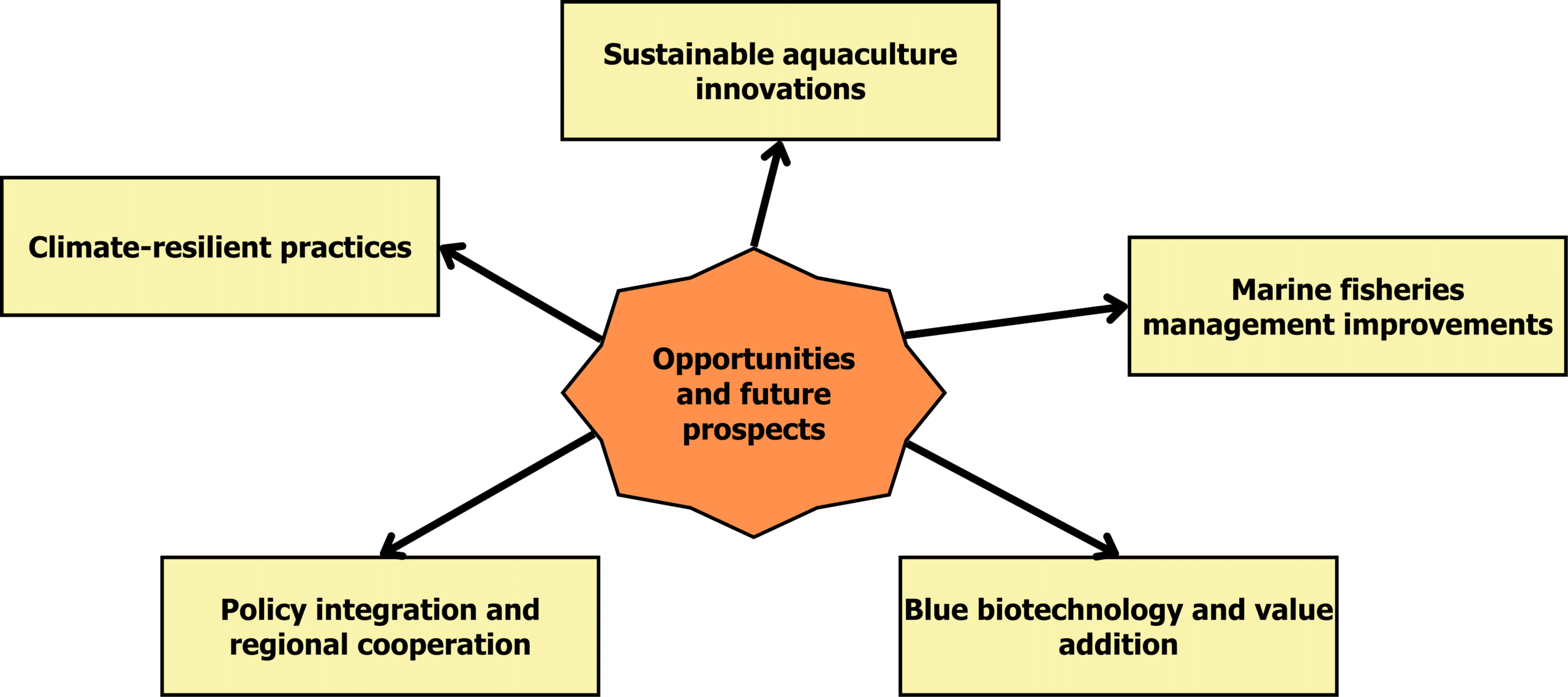
Figure 3. Opportunities and future prospects in developing and establishing the Blue Economy of Bangladesh.
7. Policy and governance framework
7.1 Existing national policies and strategies
The development of fisheries and aquaculture in Bangladesh is guided by a range of national policies and strategic frameworks aimed at ensuring sustainable resource utilization and economic growth. Key policy instruments include the National Fisheries Policy, Fisheries Development Strategy, and various Five-Year Plans that emphasize increased production, poverty alleviation, and food security (Figure 4). These policies recognize fisheries and aquaculture as priority sectors within national development planning (Alam and Haque, 2026). In addition, sectoral strategies promote aquaculture expansion, inland fisheries management, and marine resource development. Recent policy directions increasingly incorporate sustainability considerations, reflecting global shifts toward ecosystem-based management and the Blue Economy concept. Despite these efforts, implementation effectiveness varies across regions and subsectors due to institutional and operational constraints (Mehmood et al., 2026).
7.2 Institutional arrangements
The governance of fisheries and aquaculture in Bangladesh involves multiple government agencies, research institutions, and local administrative bodies. The Department of Fisheries serves as the principal implementing authority, responsible for regulation, extension services, and sectoral development. It operates in collaboration with other national bodies involved in environment, water resources, and maritime affairs (Alam and Haque, 2026). Research and innovation are supported by institutions such as fisheries research organizations and universities, which contribute to technological development, stock assessment, and capacity building. Local government institutions also play a role in managing community-based fisheries and aquaculture initiatives (Haque et al., 2024). However, institutional coordination remains a challenge due to overlapping mandates, limited resource allocation, and communication gaps among agencies. Strengthening inter-agency collaboration and improving decentralization mechanisms are essential for more effective governance (Gooding et al., 2026).
7.3 Alignment with international frameworks
Bangladesh’s fisheries and aquaculture policies are increasingly aligned with international development frameworks, particularly the United Nations Sustainable Development Goals (SDGs). The sector contributes directly to SDG 14 (Life Below Water) through the conservation and sustainable use of aquatic resources. It also supports SDG 1 (No Poverty), SDG 2 (Zero Hunger), SDG 8 (Decent Work and Economic Growth), and SDG 13 (Climate Action) (Islam et al., 2024b). The Blue Economy agenda further strengthens this alignment by promoting sustainable ocean governance, resource efficiency, and inclusive economic growth. Bangladesh has demonstrated growing commitment to integrating Blue Economy principles into national planning, particularly in marine spatial planning and coastal resource management initiatives (Gourvenec et al., 2025). Despite this alignment, operationalization of global frameworks at the local level remains uneven. Translating international commitments into effective national and subnational actions requires stronger institutional capacity, monitoring systems, and stakeholder engagement (Gentle et al., 2026).
7.4 Gaps and areas for reform
Despite significant progress, several governance gaps continue to hinder the sustainable development of fisheries and aquaculture in Bangladesh. One major limitation is the weak enforcement of existing regulations, particularly in relation to illegal fishing, habitat protection, and environmental compliance. Limited monitoring capacity and resource constraints reduce the effectiveness of regulatory frameworks (Alam and Haque, 2026). Another critical gap lies in data availability and management. Reliable and up-to-date fisheries data are essential for informed decision-making, yet current systems often lack integration, accuracy, and accessibility. This affects planning, stock assessment, and policy evaluation processes (Swasey et al., 2021). Institutional fragmentation is also a key concern, with overlapping responsibilities among agencies leading to inefficiencies and reduced accountability. In addition, limited participation of local communities in governance processes restricts the effectiveness of community-based management approaches (Wilmsmeier et al., 2024). Policy reforms are needed to strengthen coordination mechanisms, enhance transparency, and promote evidence-based decision-making. Greater investment in digital technologies, capacity building, and stakeholder engagement can significantly improve governance outcomes. Integrating climate resilience and ecosystem-based approaches into policy frameworks is also essential for long-term sustainability (Tumpa and Naeni, 2025).
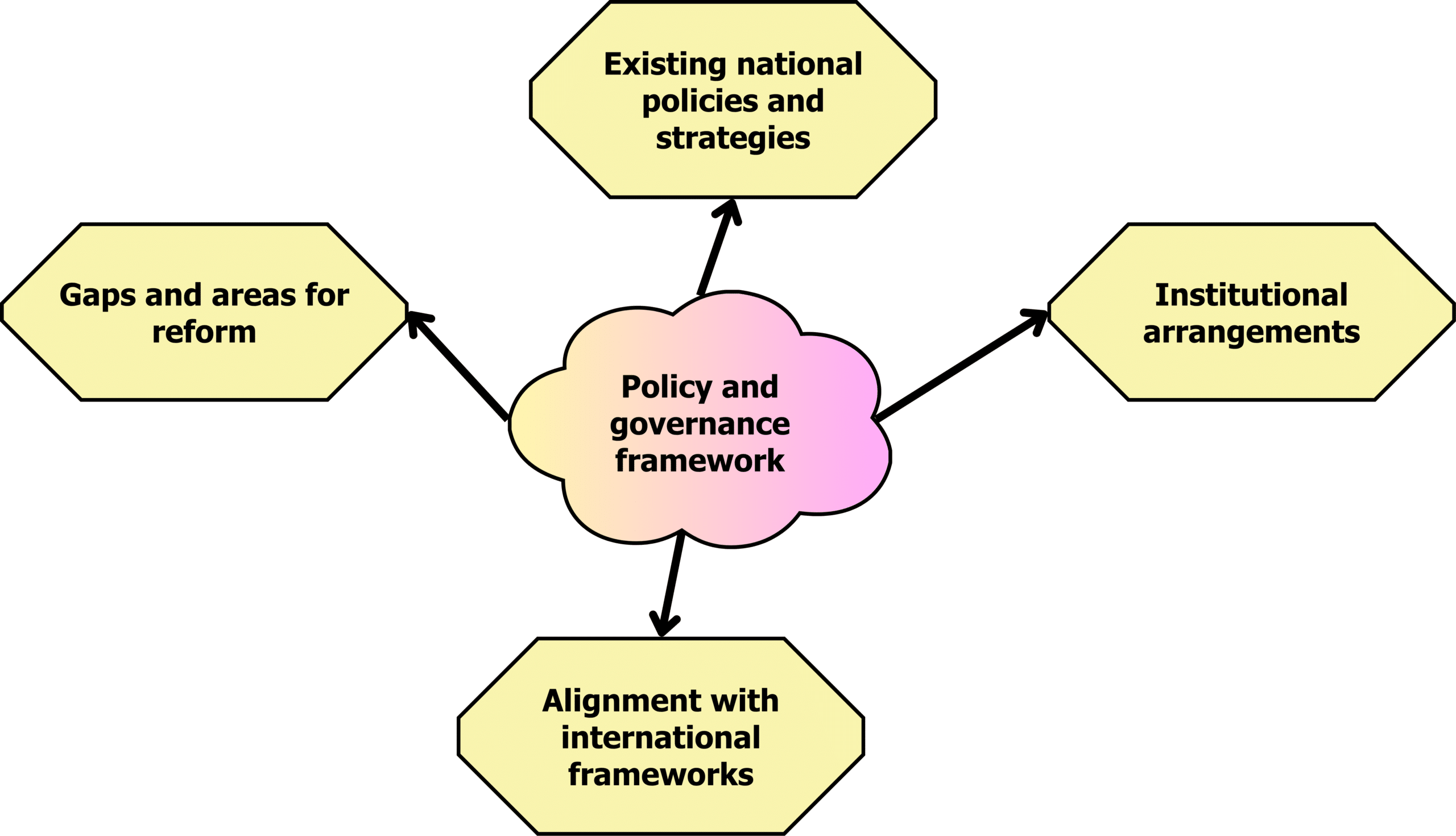
Figure 4. Policy and governance framework required in developing and establishing the Blue Economy of Bangladesh.
8. Recommendations
8.1 Strengthening sustainable management practices
Ensuring long-term sustainability of fisheries and aquaculture requires the adoption of ecosystem-based management approaches. Fishing pressure should be regulated through science-based catch limits, seasonal restrictions, and protection of breeding grounds. In inland systems, habitat restoration, wetland conservation, and river connectivity should be prioritized to support natural fish recruitment (Haque et al., 2025).In aquaculture, environmental sustainability can be improved through better pond management, reduced chemical use, improved feed efficiency, and adoption of integrated farming systems. Promoting responsible farming certification and environmental compliance standards can further enhance sustainability while maintaining productivity (Alam and Haque, 2026; Haque and Mahmud, 2025).
8.2 Enhancing research and innovation
Research and innovation are central to improving productivity, resilience, and sustainability in the fisheries and aquaculture sector. Strengthening national research institutions and promoting interdisciplinary collaboration between universities, government agencies, and industry stakeholders is essential (Cortes et al., 2026). Priority research areas include climate-resilient aquaculture systems, disease diagnostics and control, genetic improvement of cultured species, and stock assessment of marine and inland fisheries. Investment in digital tools such as remote sensing, artificial intelligence, and data-driven monitoring systems can significantly enhance decision-making and resource management (Huang and Khabusi, 2025). Encouraging innovation hubs and public–private partnerships can also accelerate the development and adoption of new technologies.
8.3 Improving governance and stakeholder coordination
Effective governance is critical for achieving Blue Economy objectives. Strengthening institutional coordination among relevant ministries, departments, and local authorities is necessary to reduce overlaps and improve policy implementation (Benzaken et al., 2022). Greater transparency and accountability in resource management can be achieved through improved monitoring systems and digital reporting mechanisms. Community-based fisheries management should be expanded to increase local participation and ensure equitable access to resources (Skerritt, 2024). Stakeholder engagement, including fishers, farmers, traders, researchers, and private sector actors, should be integrated into decision-making processes to ensure inclusive governance and better policy outcomes (Trammell et al., 2025).
8.4 Capacity building and technology transfer
Human capital development is essential for modernizing the fisheries and aquaculture sector. Targeted training programs should be implemented to enhance technical skills in sustainable fishing practices, aquaculture management, post-harvest handling, and value chain development (Ranjan et al., 2026). Extension services should be strengthened to ensure that small-scale fishers and farmers have access to updated knowledge and technologies. Technology transfer from research institutions to field-level practitioners must be accelerated through demonstration farms, pilot projects, and digital knowledge platforms (Kiwelu and Ngulube, 2025). Special attention should be given to youth and women participation in capacity-building initiatives to promote inclusive development and strengthen rural livelihoods.
9. Conclusions
Fisheries and aquaculture are central to the Blue Economy of Bangladesh, contributing significantly to food security, livelihoods, economic growth, and ecosystem sustainability. Despite their importance, the sector faces critical challenges including resource depletion, climate change impacts, weak governance, and technological limitations. Integrating fisheries and aquaculture into a comprehensive Blue Economy framework is therefore essential to ensure sustainable resource use and long-term resilience. Strengthening policy implementation, promoting innovation, enhancing institutional coordination, and adopting ecosystem-based and climate-resilient approaches will be key to securing a sustainable and productive future for the sector.
