



Bangladesh, a South Asian country with one of the highest population densities in the world, has been experiencing rapid demographic growth and urban expansion over recent decades (Karim et al., 2025). Urbanization in Bangladesh has accelerated sharply since the mid-twentieth century, driven primarily by rural–urban migration associated with poverty, landlessness, unemployment, environmental disasters, and the search for better livelihood opportunities (Uddin, 2018). As a result, slum settlements have emerged as a defining feature of the country’s urban landscape. Major metropolitan and rapidly growing secondary cities—particularly Dhaka, Chattogram, and Cox’s Bazar—have become focal points for this influx of marginalized populations (Sinthia, 2021; Ooi and Phua, 2007). While Dhaka accommodates the largest share of slum dwellers, Chattogram and Cox’s Bazar together host nearly one-quarter of the national slum population, reflecting the spatial concentration of economic opportunities and services in a limited number of urban centers (Paul et al., 2019).
The concept of the “slum” has evolved historically within social science literature. First introduced into English usage in the late nineteenth century, the term gained prominence through early sociological interpretations that portrayed slums as spaces of social disorganization, environmental degradation, and moral decline (Wolman et al., 2024; Ramsden and Smith, 2018). Influenced by the Chicago School of sociology, early scholars viewed slums as marginal, parasitic, and pathological urban formations characterized by overcrowding, poverty, and crime (Smith, 2024). Subsequent studies in South Asia, including India and Bangladesh, adopted similar perspectives, emphasizing the unhealthy physical environment, inadequate housing, and lack of basic services in slum settlements (Ahmad et al., 2025). Contemporary scholarship, however, increasingly recognizes slums as complex socio-spatial systems shaped by structural inequalities, uneven development, and governance failures rather than merely by individual behaviour (Nasrabadi et al., 2024; Rigon, 2022). In Bangladesh, slums typically emerge on government-owned or private vacant land and consist of fragile housing constructed from temporary materials such as bamboo, tin sheets, polythene, straw, and gunny bags (Uddin, 2018). These settlements are commonly characterized by insecure tenure, overcrowding, limited access to safe water and sanitation, inadequate waste disposal, and poor health conditions (Hossain, 2007).
Urbanization in Bangladesh has followed an uneven and highly centralized trajectory. From fewer than 10% of the population living in urban areas in 1974, the urban share increased to nearly one-third by 2011, with projections indicating continued growth in the coming decades (Karim et al., 2025; Amin et al., 2024). This rapid transformation has profound implications for urban governance, infrastructure provision, and public health. Slum populations have been growing at nearly twice the rate of overall urban population growth, making them one of the fastest-expanding demographic groups in the country (Rao et al., 2024; Brouwer et al., 2023; Angeles et al., 2009). Cox’s Bazar, historically a small coastal town that developed through trade, fishing, tourism, and later airport expansion, has recently undergone accelerated urban growth. As a major tourist destination and regional economic hub, the city has attracted large numbers of migrants from both nearby and distant regions (Mohammad, 2020). However, urban expansion in Cox’s Bazar has largely occurred in an unplanned manner, resulting in the proliferation of informal settlements in wards such as Burma Para (Ward 12) and Samoti Para (Ward 1). Between 1997 and 2005, the proportion of slum populations in Cox’s Bazar fluctuated between 20% and 30%, highlighting persistent urban poverty and inadequate service delivery (Angeles et al., 2009).
Despite the economic importance of Cox’s Bazar, the socio-economic and health conditions of its slum dwellers remain severely compromised. Slum residents face multiple and overlapping forms of deprivation, including low income, informal and insecure employment, illiteracy, poor housing quality, limited access to clean water and sanitation, inadequate drainage and waste management, and insufficient healthcare services (Khan, 2022; van de Vijver et al., 2015). These conditions contribute to heightened vulnerability to communicable diseases, malnutrition, and environmental health risks. Although some argue that slums fall outside the formal jurisdiction of city authorities and therefore do not qualify for full municipal services, such reasoning contradicts fundamental principles of urban equity and human rights (Kaiser et al., 2025; Hossain et al., 2013). All city residents, regardless of tenure status, require access to basic socio-economic and health services to lead dignified lives. The failure of city governments to adequately address slum conditions reflects broader governance challenges, including weak urban planning, limited institutional capacity, and insufficient integration of slum populations into development strategies (Lata, 2020; te Lintelo et al., 2018).
Against this backdrop, the present study seeks to address critical knowledge gaps regarding the socio-economic, demographic, and health conditions of slum dwellers in Cox’s Bazar City. Although several studies have examined slum conditions in major metropolitan areas such as Dhaka and Chattogram, empirical evidence from rapidly growing secondary cities remains limited (Haque et al., 2022; Uddin, 2018; Angeles et al., 2009). This study is guided by the central research question, what is the relationship between the rapid growth of slum settlements in Cox’s Bazar City and the socio-economic, environmental, and health conditions of slum dwellers? A related question explores what policy interventions and development strategies are most suitable for improving the living conditions of slum populations in the city. Based on existing literature, the study hypothesizes that rapid, unplanned urbanization combined with limited institutional capacity has resulted in significant socio-economic deprivation and poor health outcomes among slum dwellers. This study aims to provide a comprehensive assessment of the socio-economic and health conditions of slum dwellers in Cox’s Bazar City by examining demographic characteristics, livelihoods, housing conditions, access to basic services, sanitation, and health status, while also identifying structural and governance-related factors contributing to service deficits. The study is novel in its focus on Cox’s Bazar as a rapidly urbanizing secondary city shaped by tourism-led growth, coastal vulnerability, and informal urban expansion, integrating socio-economic, environmental, and health dimensions within a single analytical framework using field-based primary data. The findings offer important policy-relevant insights to support inclusive urban development, slum upgrading initiatives, and targeted health and social interventions aligned with national development priorities and the Sustainable Development Goals.
2. Materials and Methods
2.1 Ethical approval statement
No ethical approval was required to conduct the study.
2.2 Study area and periods
This study adopted a descriptive and exploratory research design. The Burma Para and Samoti Para slum areas of Cox’s Bazar City were purposively selected based on informed judgment to represent typical slum conditions (Figure 1). The study was conducted over a six-month period, from July 2021 to December 2021.
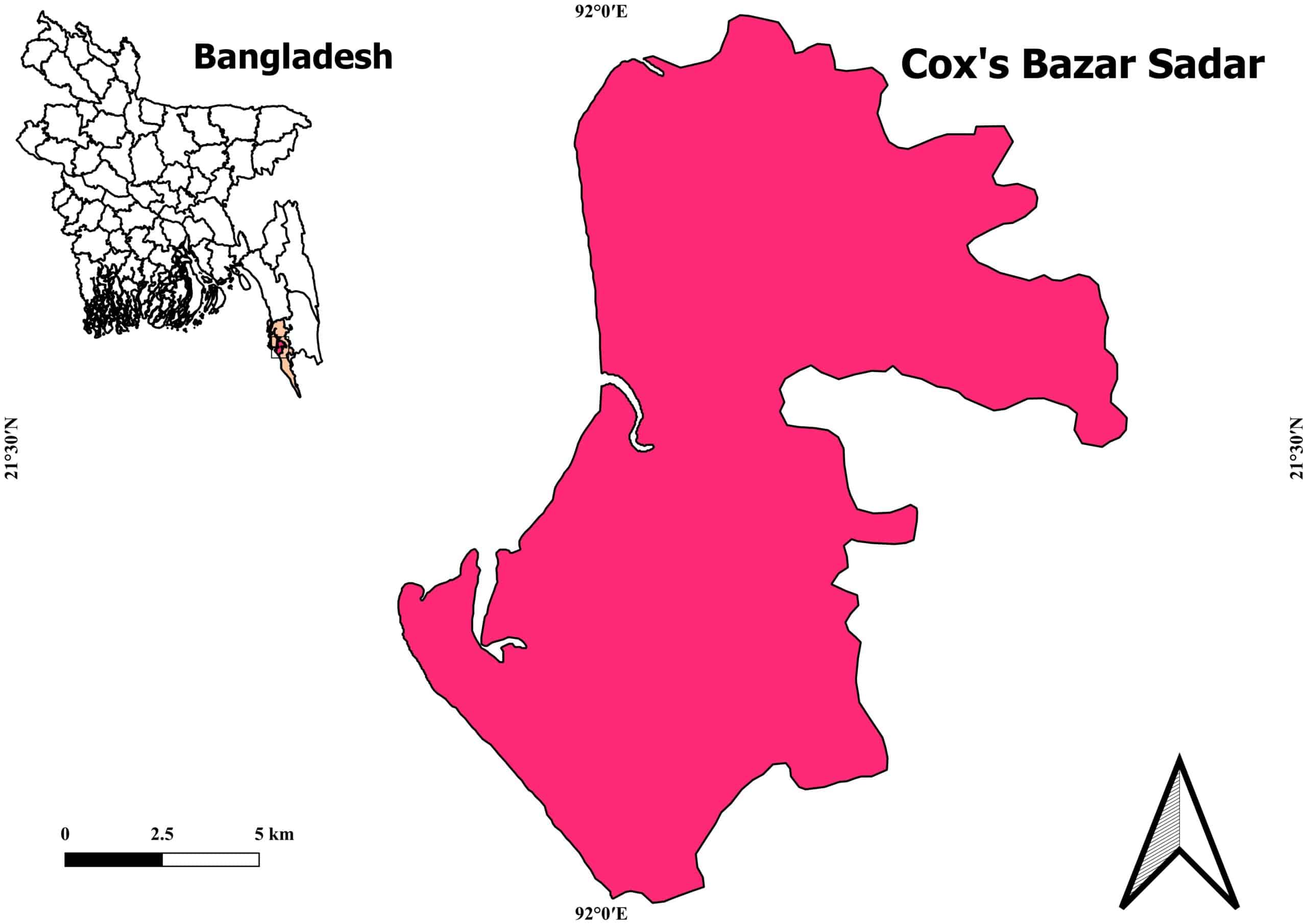
Figure 1. Location map of the study areas (Burma Para and Samoti Para slums), Cox’s Bazar city, Bangladesh.
2.3 Study population and sample size
A total sample of 150 respondents (100 males and 50 females) was purposively selected from the two slum areas of Cox’s Bazar City for this study.
2.4 Research instruments
Based on the objectives of the study, a structured interview schedule was developed. The instrument was pre-tested and subsequently refined before finalization. The interview schedule comprised three sections, the first section captured respondents’ socio-economic, demographic, and health-related characteristics, while the subsequent sections focused on assessing the effectiveness and limitations of urban service delivery in Cox’s Bazar city and generating policy-relevant insights.
2.5 Data collection methods
Data for this study were collected from both primary and secondary sources. Primary data were obtained directly from respondents through non-participant observation, interview schedules, and case study methods. In line with the research objectives, the interview schedule included a combination of structured, unstructured, and open-ended questions. In addition, secondary data were collected from relevant published and unpublished sources to complement and contextualize the primary findings. For analytical clarity, key operational definitions were applied in this study. Age refers to the respondent’s age in completed years. Income denotes the amount of money earned by the respondent per month. Education indicates the total years of formal schooling completed. Gender refers to the respondent being male or female. Family size represents the total number of individuals living together and sharing a common kitchen. Religion refers to the respondent’s religious beliefs and practices. Occupation denotes the main job or profession through which the respondent earns a livelihood. Marital status indicates whether the respondent is single, married, separated, divorced, or widowed. Finally, the term respondent refers to the individual from whom data were collected for the study.
2.6 Data processing and analysis
All data collected through the survey were systematically compiled, coded, classified, and analyzed using appropriate statistical techniques. The analyzed data were subsequently presented in tabular and graphical forms to facilitate interpretation. Data processing and analysis were conducted using a scientific calculator and Microsoft Excel 2016. In addition, the map of the study area was prepared using QGIS version 3.42 to accurately illustrate the spatial location
3. Result and Discussion
3.1 Socio-economic, demographics and health profile of the respondents
3.1.1 Age distribution of respondents
The largest proportion of respondents (32.00%) were aged 31–40 years, followed by 25.34% in the 21–30 years age group. Respondents aged 41–50 years accounted for 16.00%, while those aged 51–60 years and above 60 years each represented 7.33%. The youngest age group (11–20 years) comprised 12.00% of the sample. Overall, the data indicate that a majority of the respondents are below 50 years of age, with a substantial portion concentrated in the 21–40 years range (Table 1). The predominance of respondents in the 21–40 years age group indicates that slum settlements in Cox’s Bazar are largely inhabited by young and economically active individuals who migrate to urban areas in search of livelihood opportunities. The relatively smaller proportion of elderly residents suggests that poor living conditions and physically demanding informal employment may limit long-term residence among older age groups (Rahayuwati et al., 2024).
Table 1. Age distribution of respondents in the slum areas of Cox’s Bazar.
| Age | Distribution of respondents | |
| Frequency | Percentage | |
| 11-20 | 18 | 12% |
| 21-30 | 38 | 25.34% |
| 31-40 | 48 | 32% |
| 41-50 | 24 | 16% |
| 51-60 | 11 | 7.33% |
| 60+ | 11 | 7.33% |
| Total | 150 | 100% |
3.1.2 Gender distribution of respondents
The majority of respondents were male, comprising 66.66% of the sample, while females accounted for 33.34%. In the context of Bangladeshi households, which are predominantly male-headed, the head of the household was considered the primary unit for data collection. Accordingly, one-third of the respondents in this study were female (Figure 2). The higher proportion of male respondents reflects the male-dominated migration pattern to urban slums, where men typically migrate first in search of employment and are recognized as household heads (Faeique, 2024). The lower representation of women may also indicate gendered roles, limited mobility, and reduced participation of females in formal survey processes within slum communities (Abdulhadi et al., 2024).
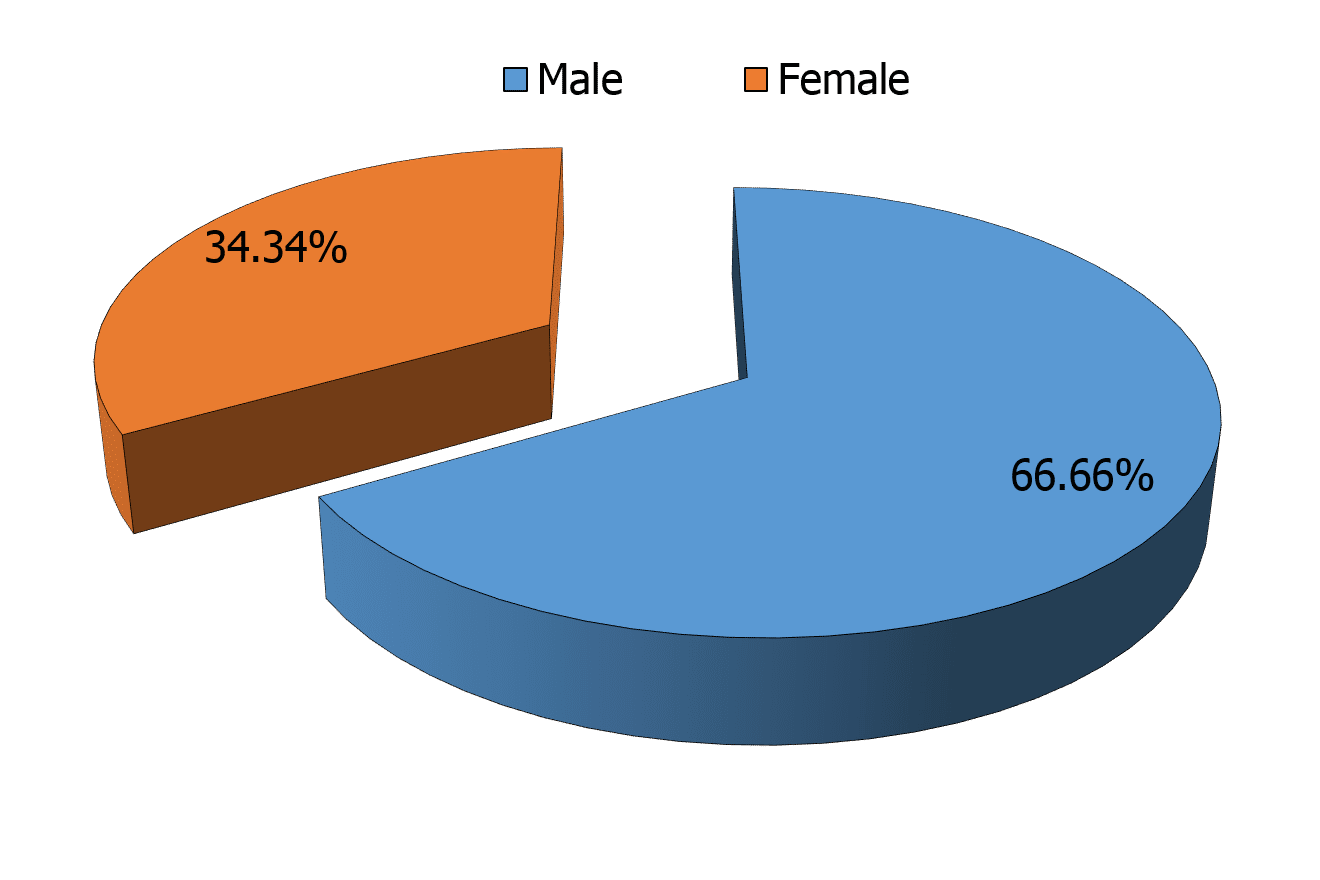
Figure 2. Gender distribution of respondents in the slum areas of Cox’s Bazar.
3.1.3 Educational distribution of respondents
Approximately 43% of the respondents were illiterate, while 41% had completed primary education. Around 16% had achieved education up to the secondary level, and only a small proportion of respondents had attained higher education (Figure 3). The high proportion of illiterate and primary-educated respondents indicates limited access to formal education among slum dwellers, largely driven by poverty, early labor participation, and migration-related disruptions (Sanneving et al., 2013). This low educational attainment constrains access to stable employment and perpetuates cycles of informal work and socio-economic vulnerability (Jolly et al., 2016).

Figure 3. Level of education of the respondents.
3.1.4 Occupational profile of respondents
Approximately 29.34% of respondents were employed as rickshaw pullers, while 26.00% were engaged in small informal businesses. About 24.00% of respondents worked in other informal occupations, including day labor, fishing, domestic work, and self-employment. Smaller proportions were employed as informal small job holders (11.34%) and street hawkers (8.66%). Only one respondent, a female, was employed as a teacher in a nursery school (Table 2). The dominance of rickshaw pulling and other informal occupations highlights the heavy reliance of slum dwellers on low-skilled, insecure, and labor-intensive employment. This occupational structure reflects limited educational attainment and reinforces economic vulnerability, income instability, and exposure to occupational health risks (Roy et al., 2024; Banks, 2013).
Table 2. Occupational distribution of slum respondents.
| Occupation | Distribution of respondents | |
| Frequency | Percentage | |
| Small business (informal) | 39 | 26.00% |
| Rickshaw puller | 44 | 29.34% |
| Street hawker | 13 | 8.66% |
| Small job holder (informal) | 17 | 11.34% |
| Teacher | 1 | 0.66% |
| Others (day labor, fishermen, maidservant, self-employed, etc.) | 36 | 24.00% |
| Total | 150 | 100.00% |
3.1.5 Marital status of respondents
The findings show that the overwhelming majority of respondents (82.00%) were married. A smaller proportion (9.33%) were unmarried, while only 1.33% were divorced. In addition, 7.34% of respondents were widowed (Table 3). The high proportion of married respondents suggests that slum settlements predominantly accommodate family households rather than single individuals, reflecting permanent or long-term urban residence. This marital structure implies increased household responsibilities and dependency burdens, which may intensify economic stress under conditions of low income and insecure employment (Intesar and Parvez, 2024; Zanuzdana et al., 2013).
Table 3. Distribution of respondents by marital status.
| Marital status | Distribution of respondents | |
| Frequency | Percentage | |
| Married | 123 | 82.00 |
| Unmarried | 14 | 9.33 |
| Divorced | 2 | 1.33 |
| Widow/widower | 11 | 7.34 |
| Total | 150 | 100.00% |
3.1.6 Monthly income of respondents
The findings indicate that half of the respondents (50.00%) earned between BDT 11,000 and 20,000 per month, while a substantial proportion (45.34%) reported monthly incomes below BDT 10,000. Only a small fraction of respondents (4.66%) belonged to the higher income group, earning between BDT 21,000 and 30,000 per month (Table 4). The income distribution reveals widespread economic vulnerability among slum dwellers, with the vast majority earning low and unstable incomes that are insufficient to meet rising urban living costs. Such limited earning capacity restricts access to adequate housing, nutrition, healthcare, and education, thereby perpetuating cycles of urban poverty (Kaiser et al., 2025).
Table 4. Distribution of respondents by monthly income level.
| Income | Distribution of respondents | |
| Frequency | Percentage | |
| 0-10000 | 68 | 45.34% |
| 11000-20000 | 75 | 50.00% |
| 21000-30000 | 7 | 4.66% |
| Total | 150 | 100.00 |
3.1.7 Religious affiliation of respondents
The results show that an overwhelming majority of respondents (98.66%) identified as Muslim, while a very small proportion (1.34%) were Hindu (Figure 4). The dominance of Muslim respondents reflects the broader religious composition of the region and indicates that slum formation in Cox’s Bazar is primarily shaped by socio-economic factors rather than religious differentiation. This homogeneity suggests that deprivation and vulnerability in slum settlements cut across religious lines and are driven mainly by structural and economic conditions (Abdulhadi et al., 2024).
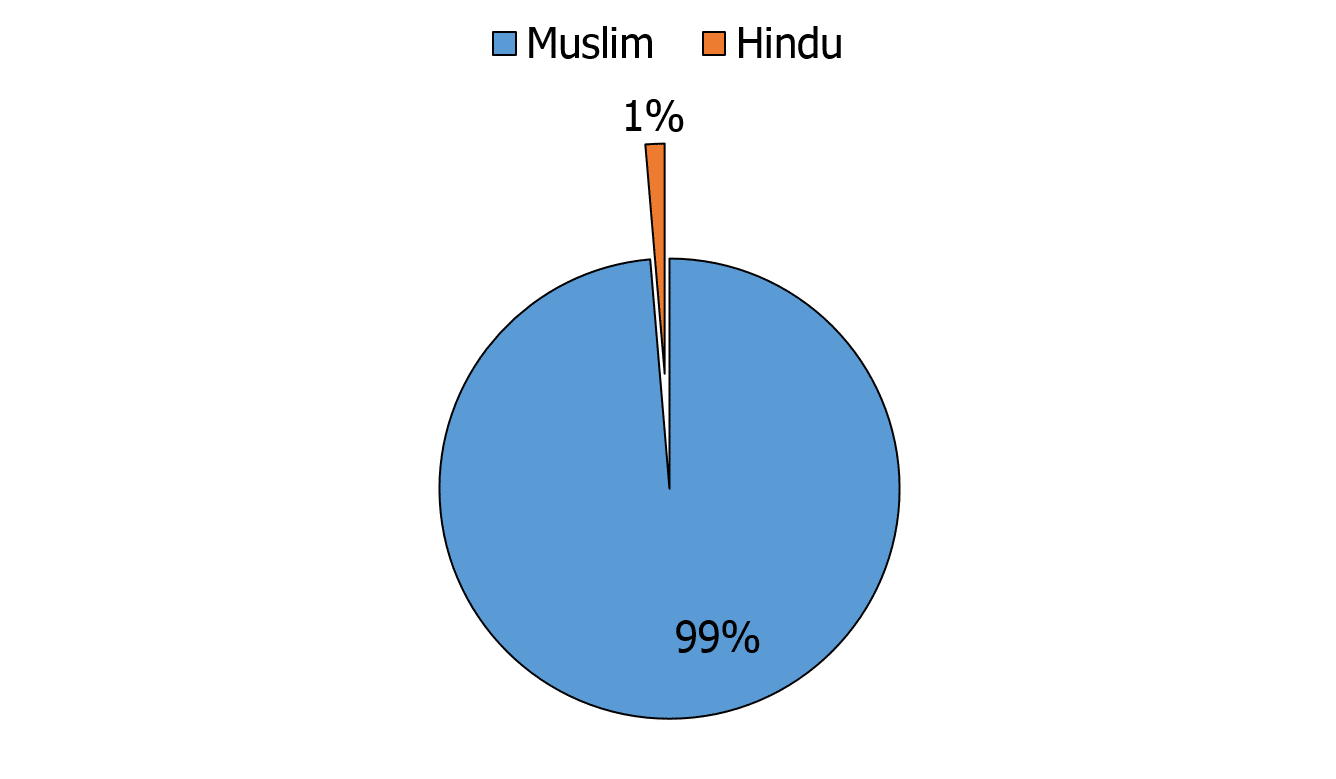
Figure 4. Distribution of respondents by religious affiliation.
3.1.8 Monthly household expenditure pattern
The findings indicate that the largest share of household expenditure is allocated to house rent and utilities (36.66%), followed by food, groceries, and other daily necessities (33.34%). Expenditure on medical care and transportation accounts for 18.00% and 3.34%, respectively, while children’s education represents 8.66% of total monthly expenses. Despite these expenditures, the respondents continue to live in unhygienic conditions, reflecting the imbalance between low household income and the high cost of basic urban living in slum settlements (Figure 5). The expenditure pattern highlights the financial strain faced by slum households, where a substantial portion of limited income is consumed by housing and food, leaving minimal resources for healthcare and education. This imbalance underscores how high urban living costs, coupled with low earnings, constrain improvements in living conditions and contribute to persistent health and social vulnerabilities (Bhattacharjee and Sassi, 2021; Hossain, 2007).

Figure 5. Distribution of monthly family expenditure among respondents.
3.1.9 Family composition, housing space, and income earners
The results show that males constitute 48.66% of household members, followed by children (30.00%) and females (21.34%). Regarding housing space, a majority of households (66.00%) live in single-room dwellings, while 28.00% occupy two-room houses and only 6.00% have three rooms, indicating severe space constraints. In terms of income generation, both father and sons were identified as the main income earners in 51.00% of households, while male members alone accounted for 43.00%. Female members served as the primary income earners in only 6.00% of households (Table 5). The findings reveal pronounced household crowding and a strong reliance on male members for income generation, reflecting traditional gender roles and limited economic opportunities for women in slum settings. Such overcrowded living conditions, combined with narrow income sources, heighten health risks and reduce household resilience to economic and environmental shocks (Kabir et al., 2018).
Table 5. Distribution of family characteristics, housing space, and main income earners among slum households.
| Description | Distribution of respondents | |
| Frequency | Percentage | |
| Male | 73 | 48.66 |
| Female | 32 | 21.34 |
| Children | 45 | 30.00 |
| Total | 150 | 100.00 |
| Number of rooms | ||
| One room | 99 | 66.00 |
| Two room | 42 | 28.00 |
| Three room | 9 | 6.00 |
| Total | 150 | 100.00 |
| Main income persons | ||
| Male member | 65 | 43.00 |
| Female member | 9 | 6.00 |
| Father and sons | 76 | 51.00 |
| Total | 150 | 100.00 |
3.1.10 Place of origin of slum dwellers
The findings indicate that half of the respondents (50.00%) originated from the Chattogram Division, including Cox’s Bazar, suggesting a significant proportion of local or nearby migration. A notable share of respondents migrated from Barisal Division (14.00%), followed by Sylhet Division (9.33%), Rangpur Division (8.66%), and Rajshahi Division (7.34%). Smaller proportions originated from Dhaka Division (5.34%), Khulna Division (3.33%), and Mymensingh Division (2.00%) (Table 6). The data indicate that slum populations in Cox’s Bazar comprise both local residents and migrants from other divisions, highlighting the city’s role as a regional hub attracting people in search of economic opportunities and better livelihoods (Khan, 2022; Hedman, 2011).
Table 6. Distribution of respondents by place of origin (home division).
| Divisional area | Distribution of respondents | |
| Frequency | Percentage | |
| Dhaka division | 8 | 5.34 |
| Rajshahi division | 11 | 7.34 |
| Rangpur division | 13 | 8.66 |
| Sylhet division | 14 | 9.33 |
| Barisal division | 21 | 14.00 |
| Chattogram division (including Cox’s Bazar) | 78 | 50.00 |
| Khulna division | 5 | 3.33 |
| Mymensingh division | 3 | 2.00 |
| Total | 150 | 100.00 |
3.1.11 Causes of rural–urban migration
The findings reveal that employment opportunities were the primary driver of migration, accounting for nearly half of the respondents. Poverty emerged as another significant factor, cited by 36.00% of respondents. In addition, 7.00% reported migrating due to natural calamities, while the remaining respondents identified other causes as influencing their decision to move to Cox’s Bazar city (Figure 6). The findings suggest that economic factors, particularly employment opportunities and poverty, are the predominant drivers of rural–urban migration to Cox’s Bazar, with a smaller contribution from environmental pressures (Salam and Kiron, 2024).

Figure 6. Major causes of migration among slum dwellers.
3.1.12 Residential location and housing conditions of respondents
The study covered two wards of Cox’s Bazar City, with the majority of respondents (66.67%) residing in Ward 12, while the remaining 33.33% were from Ward 1. In terms of housing conditions, more than half of the respondents (55.34%) lived in kutcha houses, indicating poor structural quality and limited durability. A substantial proportion (43.33%) resided in semi-pacca houses, whereas only a very small fraction (1.33%) lived in pacca houses with permanent construction (Table 7). The results indicate that most slum dwellers reside in Ward 12 and predominantly inhabit kutcha or semi-pacca houses, reflecting poor housing quality and limited structural durability in urban settlements (Uddin, 2018; Latif et al., 2016).
Table 7. Distribution of respondents by ward and housing type.
| Ward | Distribution of respondents | |
| Frequency | Percentage | |
| Ward 12 | 100 | 66.67 |
| Ward 1 | 50 | 33.33 |
| Total | 150 | 100.00 |
| Housing | ||
| Pacca | 2 | 1.33 |
| Semi pacca | 65 | 43.33 |
| Kutcha | 83 | 55.34 |
| Total | 150 | 100.00 |
3.1.13 Toilet facilities and hygiene practices of respondents
The findings show that the majority of slum dwellers (61.33%) rely on public toilets, while 12.00% reported using both public and private toilet facilities. Only 18.67% of respondents had access to a private toilet within their household, and 8.00% practiced open defecation, reflecting inadequate sanitation infrastructure in the study area. With regard to hygiene practices, nearly half of the respondents (48.67%) reported using only water before eating and after using the toilet, without soap or other cleansing materials. About 26.67% used soap, while 8.00% relied on soil or sand. A concerning proportion of respondents (16.66%) were not conscious about hygiene practices (Table 8). The results reveal that most slum dwellers rely on public toilets and have limited access to private sanitation, while hygiene practices remain inadequate, highlighting significant gaps in sanitation infrastructure and health awareness in the community (Haque et al., 2022; Hanchett et al., 2003).
Table 8. Distribution of respondents by toilet facilities and use of toiletry items.
| Toilet | Distribution of respondents | |
| Frequency | Percentage | |
| Private toilet | 28 | 18.67 |
| Public toilet | 92 | 61.33 |
| Open toilet | 12 | 8.00 |
| Both (private and public) | 18 | 12.00 |
| Total | 150 | 100.00 |
| Toiletries items | ||
| Soap | 40 | 26.67 |
| Soil/sand | 12 | 8.00 |
| Water | 73 | 48.67 |
| Not conscious | 25 | 16.66 |
| Total | 150 | 100.00 |
3.1.14 Dietary intake patterns of respondents
The findings indicate that a majority of respondents (59.34%) consumed vegetables twice a day, while 27.33% reported consuming vegetables once a day. A smaller proportion (13.33%) consumed vegetables only occasionally or a few times a week. In contrast, the consumption of fish and meat was considerably lower. Nearly three-quarters of respondents (74.67%) reported consuming fish or meat occasionally or once a week, while 17.33% consumed fish or meat once a day. Only 1.33% consumed fish or meat twice a day, and 6.67% reported not consuming fish or meat at all (Table 9). The findings suggest that while vegetable consumption is relatively frequent among respondents, the intake of protein-rich foods such as fish and meat is limited, indicating a potential nutritional imbalance in their daily diet (Ahmed et al., 2022).
Table 9. Frequency of vegetable and fish/meat consumption among respondents.
| Taking time vegetables | Distribution of respondents | |
| Frequency | Percentage | |
| Once a day | 41 | 27.33 |
| Twice a day | 89 | 59.34 |
| Occasionally/In a week | 20 | 13.33 |
| Total | 150 | 100.00 |
| Fish and meat | ||
| Once a day | 26 | 17.33 |
| Twice a day | 2 | 1.33 |
| Occasionally/in week | 112 | 74.67 |
| None | 10 | 6.67 |
| Total | 150 | 100.00 |
3.1.15 Health status and disease patterns of slum dwellers
Regarding substance use, a majority of respondents (72.67%) reported smoking cigarettes, while 8.67% consumed yaba, 6.66% used gum (especially among children), and 8.00% used other substances such as ganja and chorus. The prevalence of diseases among slum dwellers was notable. Fever affected 28% of respondents, skin diseases 26%, jaundice 8.66%, asthma 9.34%, diabetes 13.34%, and other conditions including cough, back pain, headache, and gastric issues were reported by 10.66% of respondents. Respondents attributed the causes of these health problems to environmental and sanitation factors. Damp living conditions were cited by 32% as a primary cause, followed by open drains (22%), air pollution (19.39%), waterlogging (17.34%), and other factors such as open waste bins, industrial waste, and unsafe water or food (9.33%). Treatment patterns showed that most respondents (76.67%) sought care from medical doctors, while 18% relied on pharmacies, homeopathy, or other informal providers, and 5.33% consulted traditional healers (Kobiraz). Overall, these findings highlight the complex interplay of environmental, behavioral, and socio-economic factors shaping the health status of slum dwellers (Table 10). The results highlight a high prevalence of substance use and various health conditions among slum dwellers, with environmental and sanitation-related factors contributing significantly to disease patterns, while most respondents relied on formal healthcare services for treatment (Rabbani et al., 2025; Latif et al., 2016).
Table 10. Drug use, disease prevalence, causes, and treatment patterns among slum respondents.
| Drug addiction | Distribution of respondents | |
| Frequency | Percentage | |
| Cigarette | 109 | 72.67 |
| Yaba | 13 | 8.67 |
| Pensidil | 6 | 4.00 |
| Gum | 10 | 6.66 |
| Others (Ganja, Chorus etc.) | 12 | 8.00 |
| Total | 150 | 100.00 |
| Diseases in the slum | ||
| Fever | 42 | 28.00 |
| Jaundice | 13 | 8.66 |
| Skin diseases | 39 | 26.00 |
| Asthma | 14 | 9.34 |
| Liver problems | 6 | 4.00 |
| Diabetic | 20 | 13.34 |
| Other (cough, back pain, headache, gastric) | 16 | 10.66 |
| Total | 150 | 100.00 |
| Reason of causing diseases | ||
| Damp environment | 48 | 32.00 |
| Water logging | 26 | 17.34 |
| Air pollution | 29 | 19.39 |
| Open drains | 33 | 22.00 |
| Others (open waste bin, industrial waste unsafe water food) | 14 | 9.33 |
| Total | 150 | 100.00 |
| Pattern of treatment | ||
| Doctors | 115 | 76.67 |
| Kobiraz | 8 | 5.33 |
| Other (pharmacy, homiopathi) | 27 | 18.00 |
| Total | 150 | 100.00 |
3.2 Infrastructure, and living conditions of slum households in Cox’s Bazar
3.2.1 Housing conditions of the respondents
The majority of respondents (83.33%) live in rented housing, reflecting the highly insecure tenure conditions prevailing in the slum settlements. Only 8.67% of households reported owning their houses, which were mainly acquired through land purchased by the respondents or their parents. A further 8.00% of respondents reported residing on government khas land, where houses were constructed without formal ownership or cost (Table 11). The findings indicate that most slum households in Cox’s Bazar live under insecure tenure, with the vast majority renting their homes, while very few own property or reside on government land, highlighting the precarious nature of housing in these settlements (Soma et al., 2022).
Table 11. Housing category of the respondents in the study area.
| Housing category | Distribution of the respondents | |
| Frequency | Percentage | |
| Rented | 125 | 83.33 |
| Own | 13 | 8.67 |
| Others (khash land) | 12 | 8.00 |
| Total | 150 | 100.00 |
3.2.2 Sources of drinking water
A substantial proportion of slum households (36.00%) in Burma Para and Samoti Para rely on community deep tube-wells, which are installed by slum management authorities and the city corporation. In contrast, 12.00% of respondents reported obtaining drinking water from neighboring tube-wells or purchasing water from other sources (Table 12). The results suggest that while community-installed deep tube-wells serve as the primary drinking water source for many slum households, a notable proportion still depends on neighboring tube-wells or purchased water, indicating variability in water access and potential challenges in ensuring safe and reliable supply (Akter et al., 2021; Price et al., 2019).
Table 12. Sources of drinking water used by the respondents.
| Sources of water | Distribution of the respondents | |
| Frequency | Percentage | |
| Community deep tube-well | 54 | 36.00 |
| Others (neighbor tube-well purchase water) | 12 | 12.00 |
| Total | 66 | 48.00 |
3.2.3 Sanitation facilities in slum areas
Nearly half of the respondents (49.34%) rely on community toilets, which are often unhygienic, malodorous, and overcrowded, particularly during morning hours. Approximately 30.66% of households use twin-pit or one-pit toilets, while 16.00% depend on hanging toilets. Only a small fraction (4.00%) of households have access to private sanitary toilets with septic tanks (Table 13). The findings highlight that inadequate sanitation remains a major challenge in slum areas, with most households relying on shared or poorly maintained facilities, while only a few have access to private sanitary toilets, underscoring the need for improved sanitation infrastructure (Nabi et al., 2025; Ferdous et al., 2022).
Table 13. Coverage of sanitation facilities among slum households in Cox’s Bazar.
| Sanitation | Distribution of the respondents | |
| Frequency | Percentage | |
| Community toilet | 74 | 49.34 |
| Twin-pit/one-pit toilet | 46 | 30.66 |
| Hanging toilet | 24 | 16.00 |
| Others (own sanitary toilet with septic tank) | 6 | 4.00 |
| Total | 150 | 100.00 |
3.2.4 Basic facilities and utilities in slum areas
Garbage disposal practices reveal that the majority of households (54.67%) dump their waste in open spaces, while 25.33% use city authority dustbins. Smaller proportions of households dispose of waste by burning (14.00%) or using community dustbins (6.00%). Drainage facilities are largely inadequate, with 59.33% of households lacking any form of drainage. About 32.67% have drains that are poorly constructed or maintained, and only 8.00% have usable drains. Cooking fuel usage further highlights socio-economic constraints, as 42.67% of households rely on firewood, 31.33% use cylinder gas, 11.33% use kerosene stoves, and 14.67% depend on electric heaters (Table 14). The results indicate that slum households face significant deficiencies in basic services, including inadequate waste management, poor drainage, and limited access to clean and efficient cooking fuels, reflecting broader socio-economic vulnerabilities in these settlements (Hakim et al., 2025).
Table 14. Garbage disposal, drainage, and cooking fuel usage among slum households in Cox’s Bazar.
| Garbage facilities | Distribution of the respondents | |
| Frequency | Percentage | |
| Open space | 82 | 54.67 |
| Burnt | 21 | 14.00 |
| Dustbin (by city authority) | 38 | 25.33 |
| Others (community dustbin) | 9 | 6.00 |
| Total | 150 | 100.00 |
| Drainage facilities | ||
| No drainage facility | 89 | 59.33 |
| Drain (but not proper) | 49 | 32.67 |
| Others (usable drain) | 12 | 8.00 |
| Total | 150 | 100.00 |
| Cooking fuel | ||
| Gas (cylinder) | 47 | 31.33 |
| Kerosene stove | 17 | 11.33 |
| Fire wood | 64 | 42.67 |
| Other (electric hitter) | 22 | 14.67 |
| Total | 150 | 100.00 |
3.2.5 Infrastructure facilities in slum areas
The assessment of infrastructural facilities in the slum areas reveals significant deficiencies. Among the respondents, 50.00% reported that electricity services are available and functional, while 23.34% acknowledged the presence of roads in their neighborhood. Only 14.66% considered street lighting sufficient, and a small proportion of households reported adequate sanitation (6.66%) and cleanliness services (5.34%) (Table 15). The findings highlight severe infrastructural inadequacies in slum areas, with limited access to electricity, roads, street lighting, sanitation, and cleanliness services, underscoring the urgent need for targeted urban development interventions (Rahaman et al., 2023).
Table 15. Availability and perception of infrastructure services among slum households in Cox’s Bazar.
| Services | Distribution of the respondents | |
| Frequency | Percentage | |
| Electricity | 75 | 50.00 |
| Roads | 35 | 23.34 |
| Street light | 22 | 14.66 |
| Cleanliness | 8 | 5.34 |
| Others (sanitation) | 10 | 6.66 |
| Total | 150 | 100.00 |
3.2.6 Savings and financial facilities among slum households
The analysis of savings and financial facilities among slum households indicates that a significant proportion, 45.33%, have no formal savings. Half of the respondents (50.00%) rely on private, informal, or semi-formal saving mechanisms, reflecting the prevalence of community-based or household-level financial practices. Only a small fraction, 4.67%, reported having savings in formal institutions such as banks or post offices (Figure 7). The results reveal limited access to formal financial services among slum households, with most relying on informal or semi-formal savings mechanisms, highlighting financial vulnerability and the need for inclusive banking initiatives (Bhatia and Singh, 2019).

Figure 7. Distribution of savings facilities among slum households in Cox’s Bazar.
3.3 Policy recommendations for improving slum conditions
The majority of respondents (58.67%) emphasized the need to improve basic amenities, including access to food, water, housing, and healthcare, while 28.00% prioritized enhancing overall living conditions. Smaller proportions highlighted the importance of education and health facilities (8.67%) and job opportunities, income generation, and environmental protection (4.66%). Respondents suggested multiple actionable steps, including improving housing, health, and education; reducing house rents; addressing unsocial activities; providing clean drinking water and sanitation; promoting women’s education; increasing awareness about environmental issues; curbing drug addiction; and strengthening law and order. Additional recommendations include socio-economic and health support programs, employment and education initiatives, improved waste management, regular maintenance of drains and public toilets, mobile health clinics, and strategies to prevent new slum formation. Effective implementation requires coordinated efforts among government agencies, NGOs, and private organizations to ensure sustainable and inclusive urban development (Table 16). The findings highlight that slum residents prioritize improvements in basic amenities and overall living conditions, emphasizing the need for integrated interventions in housing, health, education, and sanitation, alongside socio-economic support and environmental management, to achieve sustainable urban development (Acevedo-De-los-Ríos et al., 2025; Hasan et al., 2024).
Table 16. Recommended interventions for slum development.
| Steps should be taken by city authority/govt. | Distribution of the respondents | |
| Frequency | Percentage | |
| Increase living conditions | 42 | 28.00 |
| Basic amenities | 88 | 58.67 |
| Education, health facilities | 13 | 8.67 |
| Others (Job, income, protect slum environment etc.) | 07 | 4.66 |
| Total | 150 | 100.00 |
4. Conclusions
The study provides a comprehensive overview of the socio-economic, demographic, health, and infrastructural conditions of slum dwellers in Cox’s Bazar City. Findings reveal that slum residents face severe challenges, including inadequate housing, limited access to safe water and sanitation, poor drainage, and insufficient basic amenities. The majority live in one-room kutcha or semi-pacca houses, rely on public toilets, and depend on informal or semi-formal income sources, with minimal savings. Health conditions are compromised by environmental hazards, poor hygiene practices, and widespread drug use, while malnutrition and irregular consumption of protein-rich foods are common. These findings underscore the urgent need for targeted policy interventions, slum upgrading programs, and inclusive urban planning to improve living conditions and public health, supporting the broader Sustainable Development Goals of equitable urban development in Bangladesh. The study was limited to two slum areas (Burma Para and Samoti Para) in Cox’s Bazar, which may not fully represent other slums in the city or country. Data were primarily self-reported, which may introduce recall bias. Future research could expand to multiple slums across different cities, include longitudinal monitoring of socio-economic and health changes, and integrate quantitative health assessments to strengthen evidence for policy planning and slum development interventions.
