



Gobioid fishes represent one of the most diverse and ecologically versatile lineages within teleosts. The order Gobiiformes includes more than 2,000 described species distributed across tropical and temperate regions, occupying marine, estuarine, and freshwater habitats worldwide (Gierl et al., 2022; Reichenbacher et al., 2018; Agorreta et al., 2013). Members of the family Gobiidae and related gobioid families exhibit remarkable variability in morphology, life-history strategies, and habitat specialization. Many species are small-bodied benthic dwellers adapted to soft sediments, rocky substrates, mangroves, coral reefs, and riverine systems (Kovačić et al., 2022; Latifa et al., 2016). Their ecological roles range from detritivores and invertebrate feeders to active piscivores, thereby contributing to trophic regulation, nutrient cycling, and energy transfer within aquatic ecosystems (Bony et al., 2023; Hernaman et al., 2009). Several gobioid species also display amphidromous life cycles, migrating between freshwater and marine environments during different developmental stages, which reflects their physiological adaptability and evolutionary plasticity (Iida et al., 2017). In Southeast Asia, gobies form a significant component of inland and coastal ichthyofauna, supporting artisanal fisheries, aquaculture, and the ornamental fish trade (Baihaqi et al., 2025). Despite their ecological and economic importance, gobioid diversity in many localized freshwater systems remains poorly characterized, particularly in small artificial or semi-natural lakes associated with urban or institutional landscapes (Biggs et al., 2017; Kwik and Yeo, 2015).
Curtin Lake in Miri, Sarawak, represents one such freshwater body situated within a rapidly developing region of northern Borneo. Sarawak is globally recognized for its high biodiversity, supported by complex river networks, peat swamps, mangroves, and coastal systems that facilitate faunal exchange between freshwater and marine environments (Al-Asif et al., 2023, 2022; Morni et al., 2023; Bidat et al., 2023; Idris et al., 2022). However, biodiversity documentation efforts have traditionally focused on large rivers and protected forest reserves, leaving smaller lacustrine systems relatively understudied. Urban lakes may function as ecological refugia, nursery habitats, or transitional zones for amphidromous species, yet their ichthyofaunal composition is seldom systematically investigated (Kljun et al., 2024). Gobioid fishes, due to their benthic behavior and cryptic coloration, are particularly prone to underrepresentation in conventional sampling surveys. Furthermore, taxonomic revisions within Gobiiformes, supported by molecular phylogenetics, have reshaped family-level classifications, redistributing species among Butidae, Oxudercidae, Eleotridae, and Gobiidae (Thacker and Roje, 2011; Thacker, 2003). This dynamic taxonomic landscape complicates accurate species identification in field-based assessments. Consequently, there is limited baseline information on the composition, distribution, and ecological roles of gobioid assemblages in small freshwater lakes in Sarawak, including Curtin Lake. Without such foundational data, it is difficult to evaluate habitat quality, ecological connectivity, or the potential conservation value of these systems.
The principal research gap addressed in this study concerns the absence of documented goby species inventories for Curtin Lake and comparable freshwater bodies in the region. While regional checklists exist for broader river basins and oastal wetlands, localized surveys that integrate morphological identification and ecological characterization remain scarce (Abu Hena et al., 2022). This lack of documentation limits our understanding of whether Curtin Lake supports exclusively freshwater residents, transient amphidromous taxa, or a mixture of both ecological guilds. It also restricts evaluation of trophic structure, given that gobies may function as mesopredators or prey for larger piscivorous fishes and birds. Accordingly, the central research question guiding this study is, what gobioid species occur in Curtin Lake, and what does their taxonomic and ecological composition reveal about the biodiversity and functional characteristics of the lake ecosystem? The hypothesis proposes that Curtin Lake supports multiple gobioid families with diverse ecological strategies, including freshwater predators and amphidromous species. This diversity is expected to reflect habitat heterogeneity and hydrological connectivity, indicating that the lake functions as an ecologically integrated system rather than an isolated water body.
The primary objective is to document and taxonomically identify goby species in Curtin Lake and assess their family-level classification and ecological traits. This study aims to establish a baseline inventory to support future monitoring, ecological research, and evaluation of hydrological connectivity. Accurate identification will also aid in conservation assessment and ecosystem management. This study demonstrates that even small semi-urban freshwater systems such as Curtin Lake can support taxonomically and functionally diverse gobioid assemblages, underscoring their conservation value. The presence of amphidromous species further indicates hydrological connectivity and highlights the importance of maintaining water quality and ecological corridors. Overall, the findings provide a baseline for biodiversity monitoring and support evidence-based freshwater management in Sarawak.
2. Materials and methods
2.1 Ethical approval
No ethical approval was required to conduct the study.
2.2 Study area and periods
Sampling was conducted from November 2023 to February 2024 at the Curtin Lake (Figure 1). Fish traps baited with fresh fish meat were deployed overnight. The coordinates for Location (a) (Figure 1a) were 4°30′38.6208″ N, 114°00′54.2088″ E, and for Location (b) (Figure 1b) were 4°30′37.6884″ N, 114°00′54.3348″ E.
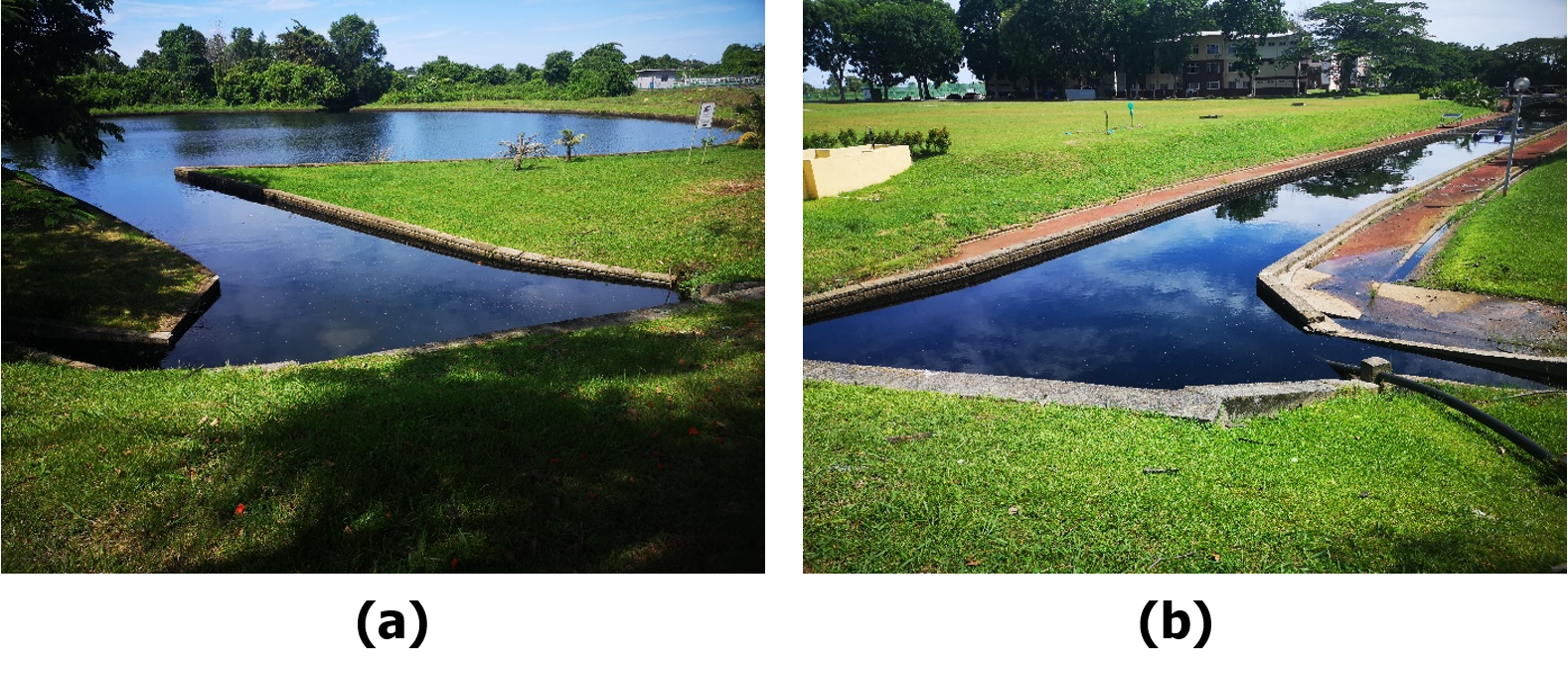
Figure 1. Sampling area for gobies.
2.3 Sampling procedure
Sampling was conducted at two designated sites within Curtin Lake. Fish traps were used as the primary sampling gear to target benthic gobioid species. Each trap was baited with fresh fish meat to attract carnivorous and omnivorous individuals and was deployed in the late afternoon. Traps were set near the lake margin and in areas with relatively slow water movement to increase capture efficiency for bottom-dwelling species. All traps were retrieved the following morning after approximately 12–14 hours of deployment. Captured specimens were carefully removed, temporarily placed in aerated containers, and transported to the laboratory for identification. Morphological identification was performed based on external diagnostic characteristics, including body shape, coloration patterns, fin morphology, and meristic features, using standard taxonomic keys. After documentation and identification, specimens were preserved appropriately for record purposes.
2.4 Data processing and analysis
All captured specimens were photographed immediately after collection using a smartphone camera to ensure clear documentation of external morphological features. Images were taken from standardized lateral and dorsal perspectives under adequate natural lighting to capture diagnostic characteristics such as body shape, coloration patterns, fin structure, and distinctive markings. The photographs were subsequently organized, labeled according to sampling location and date, and stored in digital format for reference and verification. These images were used as the primary visual records to support morphological identification and documentation of the recorded species.
3. Results
3.1 Species composition of Gobioid fishes
A total of four gobioid species were recorded from Curtin Lake during the sampling period. These species belonged to four different families within the order Gobiiformes, indicating notable taxonomic diversity within the lake ecosystem. The identified species were Oxyeleotris marmorata, Glossogobius aureus, Brachygobius doriae, and Eleotris fusca (Figure 2-5).
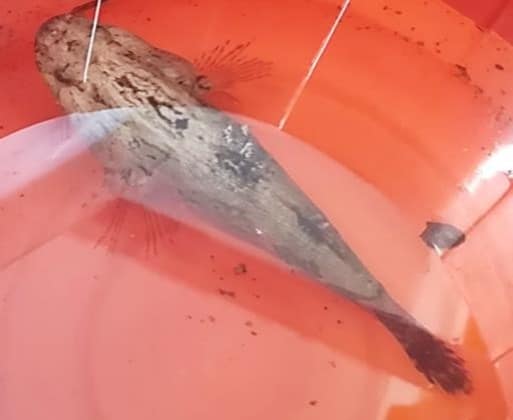
Figure 2. Marble goby (Oxyeleotris marmorata) collected from Curtin Lake, Miri, Sarawak, Malaysia.
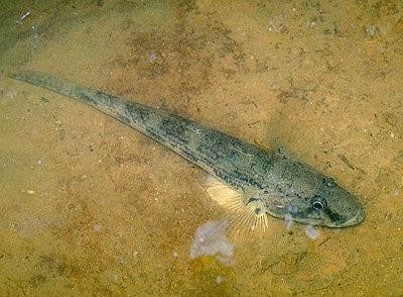
Figure 3. Golden flathead goby (Glossogobius aureus) collected from Curtin Lake, Miri, Sarawak, Malaysia.
3.2 Family-level distribution
The recorded species were distributed across four families including, Butidae (Oxyeleotris marmorata), Gobiidae (Glossogobius aureus), Oxudercidae (Brachygobius doriae), and Eleotridae (Eleotris fusca). This distribution demonstrates the presence of both true gobies and sleeper gobies within the lake system, reflecting phylogenetic diversity (Table 1).
Table 1. Gobioid species recorded from Curtin Lake, Miri, Sarawak, showing family-level classification and common names.
| Order | Family | Species | English name |
| Gobiiformes | Butidae | O. marmorata | Marble goby |
| Gobiidae | G. aureus | Golden flathead goby | |
| Oxudercidae | B. doriae | Bumblebee goby | |
| Eleotridae | E. fusca | Dusky sleeper |
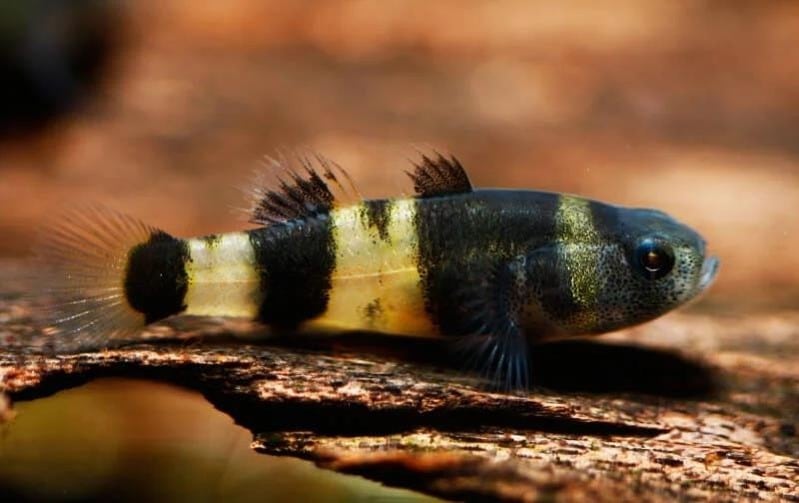
Figure 4. Bumblebee goby (Brachygobius doriae) collected from Curtin Lake, Miri, Sarawak, Malaysia.
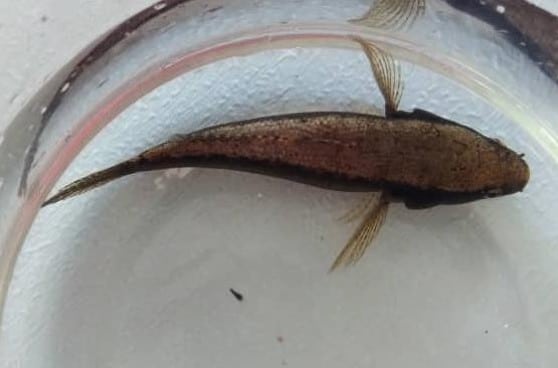
Figure 5. Dusky sleeper (Eleotris fusca) collected from Curtin Lake, Miri, Sarawak, Malaysia.
3.3 Eological characteristics of recorded species
The identified species exhibited varying ecological strategies. O. marmorata is a freshwater predatory species, while G. aureus and E. fusca are amphidromous, capable of migrating between freshwater and brackish or marine environments. B. doriae is typically associated with freshwater and brackish habitats in lowland and coastal environments. The coexistence of these ecological types suggests habitat heterogeneity within Curtin Lake.
3.4 Morphological observation
All species were distinguished based on observable external morphological characteristics, including body coloration, size, fin structure, and overall body shape. Distinctive features such as the marbled body pattern of O. marmorata, the elongated form of G. aureus, the banded coloration of B. doriae, and the robust body of E. fusca facilitated species-level identification (Figure 2-5).
4. Discussion
The results of this study reveal that Curtin Lake supports a diverse assemblage of gobioid fishes, representing four distinct families, Butidae (O. marmorata), Gobiidae (G. aureus), Oxudercidae (B. doriae), and Eleotridae (E. fusca). This diversity reflects the ecological heterogeneity of the lake, which provides suitable habitats for both strictly freshwater and amphidromous species. The presence of multiple families demonstrates that gobies are an evolutionarily successful and adaptable group, capable of occupying a range of ecological niches within freshwater systems (Agorreta et al., 2013).
O. marmorata is a predatory freshwater species widely distributed across Southeast Asia, including Malaysia, Vietnam, Singapore, Cambodia, and Thailand (Lim et al., 2023). Its predatory behavior allows it to regulate populations of smaller fishes, contributing to the maintenance of trophic balance within the lake ecosystem (Makmur et al., 2023). Despite the establishment of breeding techniques, mass production of this species remains challenging due to low larval survival and difficulties in transitioning juveniles from live feed to formulated diets, reflecting its highly predatory nature (Lim et al., 2023, 2017). The presence of this economically valuable species highlights the potential significance of Curtin Lake as a resource for aquaculture and biodiversity conservation.
G. aureus, an amphidromous species, is distributed throughout the Indo-Pacific region, including Malaysia, the Philippines, Thailand, Singapore, Cambodia, Laos, Indonesia, Taiwan, Japan, Australia, and Papua New Guinea (Abdulmalik-Labe et al., 2023). Its elongated body and preference for coastal and riverine habitats suggest that Curtin Lake provides suitable environmental conditions to support both resident and migratory stages (Phan et al., 2023). The species’ high growth rate and year-round reproductive activity, with peak spawning during the wet season and fecundity up to 27,349 eggs per female, indicate its potential for aquaculture development (Dinh et al., 2021). The presence of such amphidromous species underscores the ecological connectivity between the lake and surrounding water bodies.
B. doriae and E. fusca further exemplify the ecological diversity of Curtin Lake. B. doriae inhabits both freshwater and brackish environments in lowland coastal habitats such as mangrove swamps, estuaries, and tidal streams, typically on muddy or sandy substrates. Its small size (25–35 mm) and amphidromous behavior suggest that it can exploit niche habitats within transitional zones (Yusri et al., 2025). E. fusca, distributed widely across the Indo-Pacific, is commonly found in freshwater close to riverbanks and in lentic zones where water flow is slow (Mennesson et al., 2015). Its listing as “Endangered” on the French IUCN Red List due to habitat loss emphasizes the importance of monitoring and conserving such species, even within small and semi-urban freshwater systems (Mennesson et al., 2018).
The presence of gobioid species from four different families indicates a rich phylogenetic and functional diversity within Curtin Lake. Historically, the genus Gobius was described by Linnaeus in 1758, with Günther (1861) later proposing a classification system for gobioid fishes, recognizing families such as Eleotridae, Gobiidae, and Psammichthyidae. Since then, numerous new species have been described, reflecting the evolutionary success and adaptive radiation of this group (Agorreta et al., 2013). The combination of predatory freshwater species and amphidromous taxa in Curtin Lake highlights the ecological complexity and connectivity of the system, suggesting that even small artificial or semi-natural lakes can sustain functionally diverse fish assemblages.
5. Conclusions
This study documents four gobioid species from Curtin Lake representing four distinct families, highlighting notable taxonomic and ecological diversity within the lake. The coexistence of freshwater and amphidromous species indicates habitat heterogeneity and ecological connectivity with surrounding waterways. These findings provide essential baseline data for future biodiversity monitoring and conservation management of the lake ecosystem.
Funding information
No external or internal fund was received to conduct the study.
