


Water is an invaluable resource across multiple economic sectors, playing a vital role in electricity generation, aquaculture, agriculture, and overall growth, all while being essential for sustaining life (Andrabi et al., 2024). Water covers around 70% of the Earth's surface, yet only a small portion—about 2 to 3%—is freshwater. Surface water sources like rivers, lakes, and streams are highly susceptible to contamination, which can compromise drinking water quality, spread disease, and disrupt ecosystems. Polluted water also poses risks to agriculture and industry, and can make recreational activities such as swimming and boating unsafe (Hammoumi et al., 2024; Mishra, 2023; Baggio et al., 2021).
Rivers are recognized as a crucial water source due to their immense significance throughout history, with most civilizations developing along them (Hasan et al., 2020). Bangladesh is a land of river having more than 700 rivers with their tributaries (Anzum et al., 2023; Singh and Craswell, 2021). The Bhairab River originates from the Ganges River, flowing into the Meherpur district in Bangladesh and crossing through the Jashore district (Islam et al., 2017). It is a waterbody spanning 24,140 km, primarily surrounded by the Brahmaputra and Meghna basins, along with the Jamuna River and its tributaries (Hamilton et al., 2022). This topography, combined with tidal influences and monsoon rainfall, ensures that the downstream flow of the Bhairab River remains active year-round.
Additionally, the river's biodiversity is significantly influenced by water inflow from the Ganges, particularly during the dry season (Anzum et al., 2023). In hydrobiology, it is essential to understand the biotic and abiotic factors that influence fish assemblages, including water’s physicochemical properties, flow dynamics, temperature variations, pollution, habitat degradation, and overexploitation. These factors shape the diversity of aquatic fauna—particularly fish—and their effective management is crucial for assessing both biotic communities and overall water quality (Andrabi et al., 2024; Dubey et al., 2019; Rocha et al., 2015).
The Bhairab River supports a rich biodiversity that is crucial to the livelihoods of the local population, with 29 fish species and 19 aquatic plant species recorded; however, some of these fish species have already been classified as critically endangered. On the contrary, some aquatic plants have rarely appeared near the bank (Islam et al., 2017).
The Bhairab River is facing a decline in aquatic biodiversity and water quality due to human activities. Few studies have explored the seasonal variations in fish, plant species, and water quality parameters, making long-term ecological assessments challenging. This study investigates these seasonal variations, focusing on water quality and biodiversity, while examining the impact of human activities. It hypothesizes that seasonal changes significantly affect aquatic biodiversity and water quality, with important implications for conservation and sustainable management.
The ecosystems and biodiversity of the Bhairab River are likely to be altered due to the various uses of its water (Anzum et al., 2023). Both groundwater and surface water possess unique chemical and physical properties essential for human life. Water quality is assessed through a combination of chemical, biological, and physical elements. Contaminated surface waters cannot sustain a healthy ecological community. An ecosystem maintains equilibrium when there is a balanced relationship between the environment and its inhabitants. Water quality is crucial in sustaining a healthy environment, making regular monitoring essential (Dubey et al., 2019; Rocha et al., 2015). Numerous hydrochemical models and water quality index techniques are available to assess water quality indicators, which are numerical values used to evaluate the condition of water sources, including both utility and drinking water (Ghalib et al., 2019; Lancaster, 2019; Dong et al., 2015).
The primary objectives of this study are to assess the seasonal variation in aquatic flora and fauna in the Bhairab River and to analyze water quality parameters during the wet and dry seasons. The findings of this study aim to inform policy development for sustainable river management by providing essential data to support conservation efforts for aquatic biodiversity. Furthermore, the study is intended to serve as a foundational reference for future research on the ecological health of rivers in Bangladesh, contributing to the development of effective strategies for pollution control and habitat restoration.
2. Materials and Methods
2.1 Ethical approval statement
No ethical approval was required for this study.
2.2 Study area and periods
The study was conducted in the Bhairab River, located in Jashore, Bangladesh (Figure 1). Jashore, a major industrial and commercial hub in South-Western Bangladesh, is situated at coordinates 23.1641° N, 89.2065° E (Sardar et al., 2017).
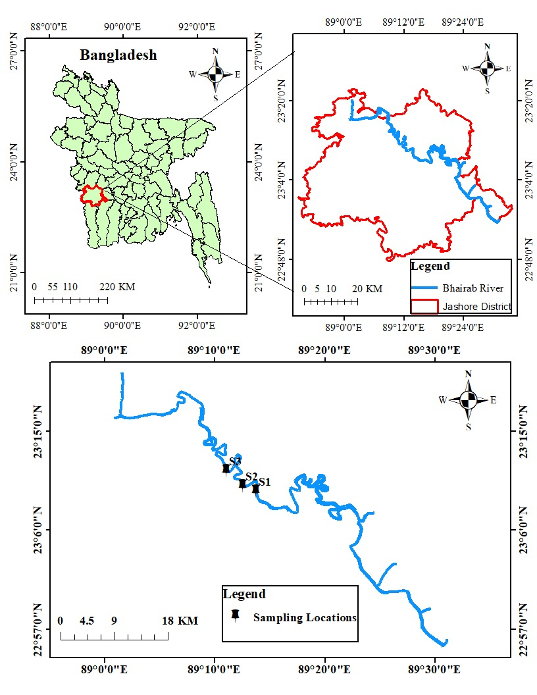 Figure 1. Study area and sampling stations of Bhairab River.
2.3 Sample collection and preparation
The study was carried out at the Bhairab River during the wet season (July, August, and September 2023) and the dry season (January, February, and March 2024) across three different sampling locations. A 500-milliliter water sample was collected from each selected spot to analyze its physiological characteristics. While some parameters were measured directly at the sites, others were transported to the laboratory in an ice box covered with black polythene, ensuring the samples were processed within three hours. Fish samples, which were naturally harvested from the river, varied based on the availability of commercial fish and the specific fishing season. The fish were wrapped in aluminum foil, placed in an icebox, and transported to the Fisheries and Marine Bioscience (FMB) Laboratory at Jashore University of Science and Technology (Jashore-7408, Bangladesh). In the FMB lab, each sample was cleaned with distilled water to remove any external contaminants and then frozen at -20 °C for further analysis (Ghosh et al., 2021).
2.4 Analytical methods for physicochemical parameters
Water samples were analyzed for physicochemical parameters including pH, turbidity, temperature, alkalinity, dissolved oxygen (DO), and biological oxygen demand (BOD). The pH was measured using a pH meter (Model: MARTINI Instruments, pH 56 pHWP, USA), calibrated with standard buffer solutions of pH 4.0, 7.0, and 10.0. Calibration was confirmed by measuring three sample readings. DO, BOD, and were determined using Winkler's and reflux titration methods, as described by Sardar et al. (2017). Turbidity was measured following USEPA Method 180.1 with a nephelometric turbidimeter (LaMotte 2020we, USA), using a tungsten lamp and a 90° detection angle, calibrated with formazin standards. Alkalinity was assessed using the titration method outlined in the Standard Methods for the Examination of Water and Wastewater (APHA, 2017) to determine concentrations of bicarbonate, carbonate, and hydroxide.
2.5 Statistical analysis
Statistical analyses of fish length, weight, and other attributes were conducted using Microsoft Excel 2016. Descriptive statistics, correlation analysis, and other appropriate statistical tests were performed to interpret the data. The study region map was created using ArcGIS 10.8 software. Figures to visualize spatial and statistical patterns were generated using both Microsoft Excel 2016 and ArcGIS 10.8.
3. Results
3.1 Seasonal variation of fish species at Bhairab River in the wet season
The results reveal a diverse fish community with species from various families, including Cyprinidae, Siluridae, Channidae, Cichlidae, and Percidae. Cypriniformes, particularly major and minor carps like Labeo rohita (Rui), Catla catla (Catla), and Cirrhinus cirrhosus (Mrigal), were the most dominant, thriving in flowing water conditions and being commercially valuable. Siluriformes, including Mystus vittatus (Tengra), Ompok pabda (Pabda), and Wallago attu (Boal), were also present, indicating a favorable environment for catfish. Snakeheads such as Channa punctatus (Taki) and Channa striata (Shol), known for their adaptability, were well-represented, alongside Oreochromis niloticus (Nile tilapia) and Oreochromis mozambicus (Mozambique tilapia) from the Cichlidae family. The presence of Mastacembelus pancalus (Guchibaim) and Macrognathus aculeatus (Tara baim) from the Synbranchiformes order suggests a habitat that supports eel-like species (Table 1).
3.1.1 Percentage of fish species based on their families in wet season
Cypriniformes emerged as the most dominant order, representing 45% of the total species, followed by Siluriformes (21%), Perciformes (14%), Synbranchiformes (7%), Cichliformes (7%), Gobiiformes (3%), and Anabantiformes (3%). The dominance of Cypriniformes, including species such as Labeo rohita (Rui), Catla catla (Catla), and Cirrhinus cirrhosus (Mrigal), reflects favorable wet-season conditions like increased water flow and food availability. The presence of species from various orders underscores the river's rich biodiversity, which significantly declines during the dry season (Figure 2).
Table 1. Available fish species at Bhairab River in the wet season.
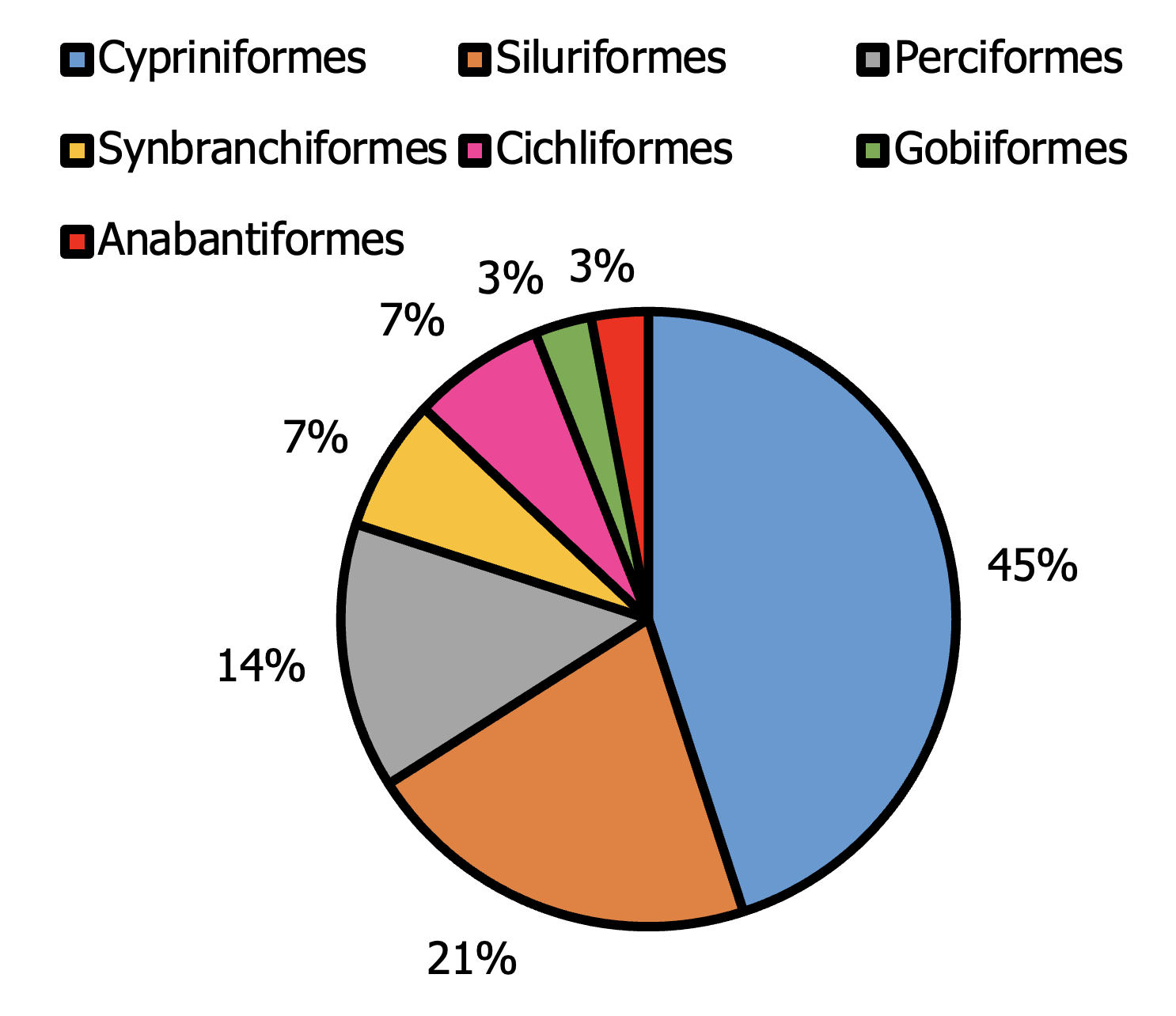 Figure 2. Percentage of fish species based on their families in the wet season.
3.2 Available fish species at Bhairab River in dry season
A total of 11 fish species were recorded during the dry season, spanning families such as Cyprinidae, Siluridae, Channidae, Cichlidae, and Synbranchidae. Although less abundant than in the wet season, Cypriniformes—represented by Puntius ticto (Tit punti), Puntius sarana (Sharpunti), and Amblypharyngodon mola (Mola)—remained the most prevalent group. Siluriformes species like Mystus vittatus (Tengra) and Heteropneustes fossilis (Shing) were also observed, reflecting their resilience to altered water conditions. Channa punctatus (Taki) and Channa striata (Shol) persisted, showcasing their adaptability to low water levels. The presence of Oreochromis mozambicus (Tilapia) and Oreochromis niloticus (Nilotica) from the Cichlidae family indicates tolerance to reduced water flow and oxygen availability. Additionally, Mastacembelus pancalus (Guchibaim) and Macrognathus aculeatus (Tara baim) from Synbranchiformes were found, pointing to a shift in species composition under dry-season stress. These findings demonstrate a marked decline in fish diversity during the dry season, primarily due to lower water levels, decreased DO, and habitat limitations (Table 2).
Table 2. Available fish species at Bhairab River in dry season.
3.2.1 Percentage of fish species based on their families in the dry season
During the dry season, Cypriniformes emerged as the dominant order, accounting for 28% of the recorded species. This was followed by Perciformes, Siluriformes, Synbranchiformes, and Cichliformes, each contributing 18% to the total diversity. Notable species such as Puntius ticto (Tit punti), Oreochromis niloticus (Nilotica), Mystus vittatus (Tengra), and Mastacembelus pancalus (Guchibaim) were among the most frequently observed, reflecting their ability to survive under reduced water levels and variable environmental conditions (Figure 3).
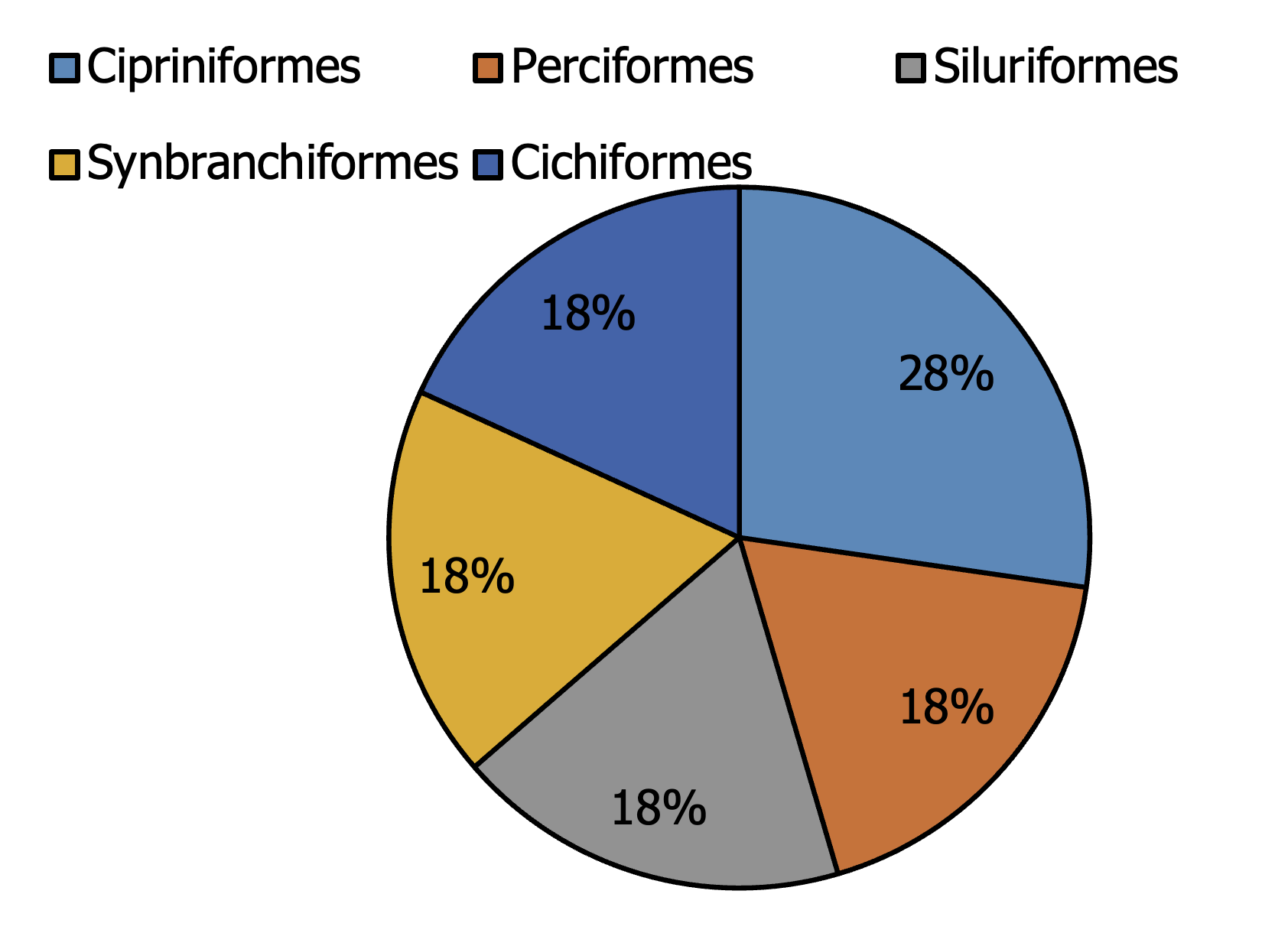 Figure 3. Percentage of fish species according to their families in dry season.
3.3 Aquatic plants at Bhairab river in the wet season
A total of 19 aquatic plant species were identified during the wet season, with the majority belonging to the order Alismatales, which emerged as the most dominant. Commonly observed species included Ipomoea aquatica (water spinach), Eichhornia crassipes (water hyacinth), and Pistia stratiotes (water lettuce), all of which benefited from elevated water levels and increased nutrient input. Floating and emergent species such as Nymphaea nouchali (water lily) and Nelumbo nucifera (lotus) also thrived under flooded conditions, enhancing the richness and structural diversity of aquatic vegetation (Table 3). The greater diversity observed during this season reflects favorable hydrological and ecological conditions that support complex habitats and higher fish biodiversity. However, the widespread presence of invasive species like Eichhornia crassipes may signal potential nutrient over-enrichment and ecological imbalance.
3.3.1 Percentage of plant species in wet season
During the wet season, aquatic plant species in the Bhairab River were predominantly represented by the order Alismatales, which accounted for 42% of the total species. Other moderately represented orders included Poales (16%), Arales (11%), Lamiales (11%), and Najadales (11%). Orders such as Salviniales, Caryophyllales, Nymphaeales, Proteales, Asterales, and Solanales each contributed 1% to the total species count (Figure 4). The dominance of Alismatales—notably species like Sagittaria spp. (arrowhead) and Pistia stratiotes (water lettuce)—indicates their strong adaptability to the hydrological and nutrient-rich conditions characteristic of the wet season. These findings underscore the enhanced plant diversity and ecological productivity of the river during this period, which likely contributes to improved aquatic biodiversity and habitat complexity.
Table 3. Available aquatic plants at Bhairab River in the wet season.
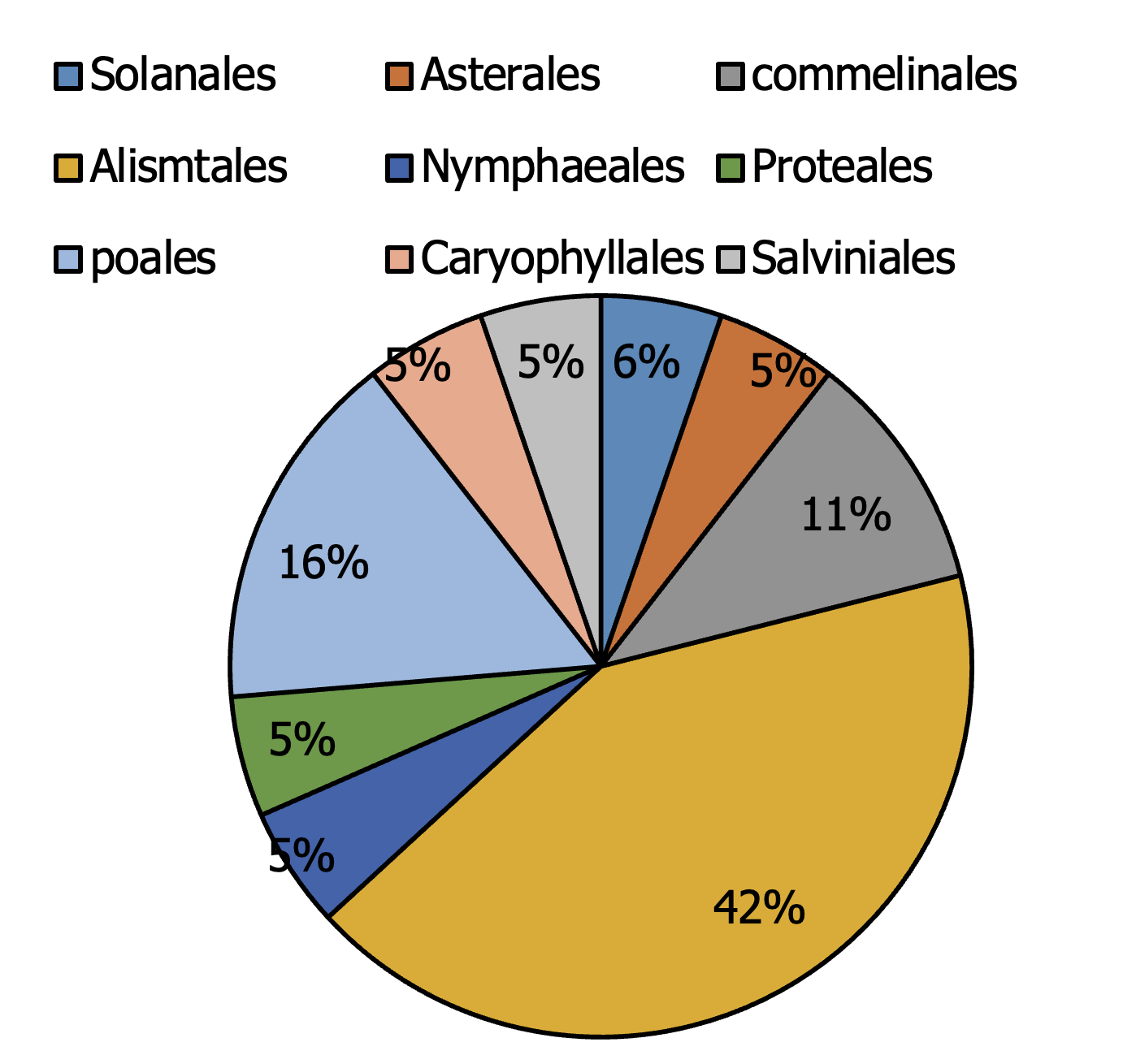 Figure 4. Percentage of plant species in the wet season.
3.4 Aquatic plants at Bhairab River in dry season
During the dry season, aquatic plant diversity in the Bhairab River declined notably compared to the wet season, with only seven species recorded. These belonged to a limited number of plant orders, including Alismatales, Poales, Arales, and Najadales. Colocasia esculenta (Chinese potato) and Ipomoea aquatica (Water spinach) remained dominant, reflecting their resilience to reduced water levels. Other persistent species, such as Najas graminea (Brittle naiad), Enhydra fluctuans (Hingcha), and Lemna minor (Duckweed), also demonstrated adaptability to seasonal stress (Table 4). The overall reduction in species richness suggests that dry-season conditions constrain the growth and spread of many aquatic plants, potentially impacting habitat structure and food resources for aquatic fauna.
3.4.1 Percentage of plant species in dry season
The percentage distribution of aquatic plant species in the Bhairab River during the dry season revealed a noticeable decline in diversity compared to the wet season. Alismatales remained the most dominant order, accounting for 57% of the total recorded species, while Poales, Arales, and Najadales each contributed 14% (Figure 5). The continued dominance of Alismatales, including resilient species such as Sagittaria spp. (arrowhead) and Pistia stratiotes(water lettuce), highlights their adaptability to fluctuating hydrological conditions. Nevertheless, the overall reduction in species richness during the dry season indicates that many aquatic plants are less tolerant of low water availability, which may lead to diminished habitat complexity and reduced food resources for aquatic organisms.
Table 4. Available aquatic plants at Bhairab River in dry season.
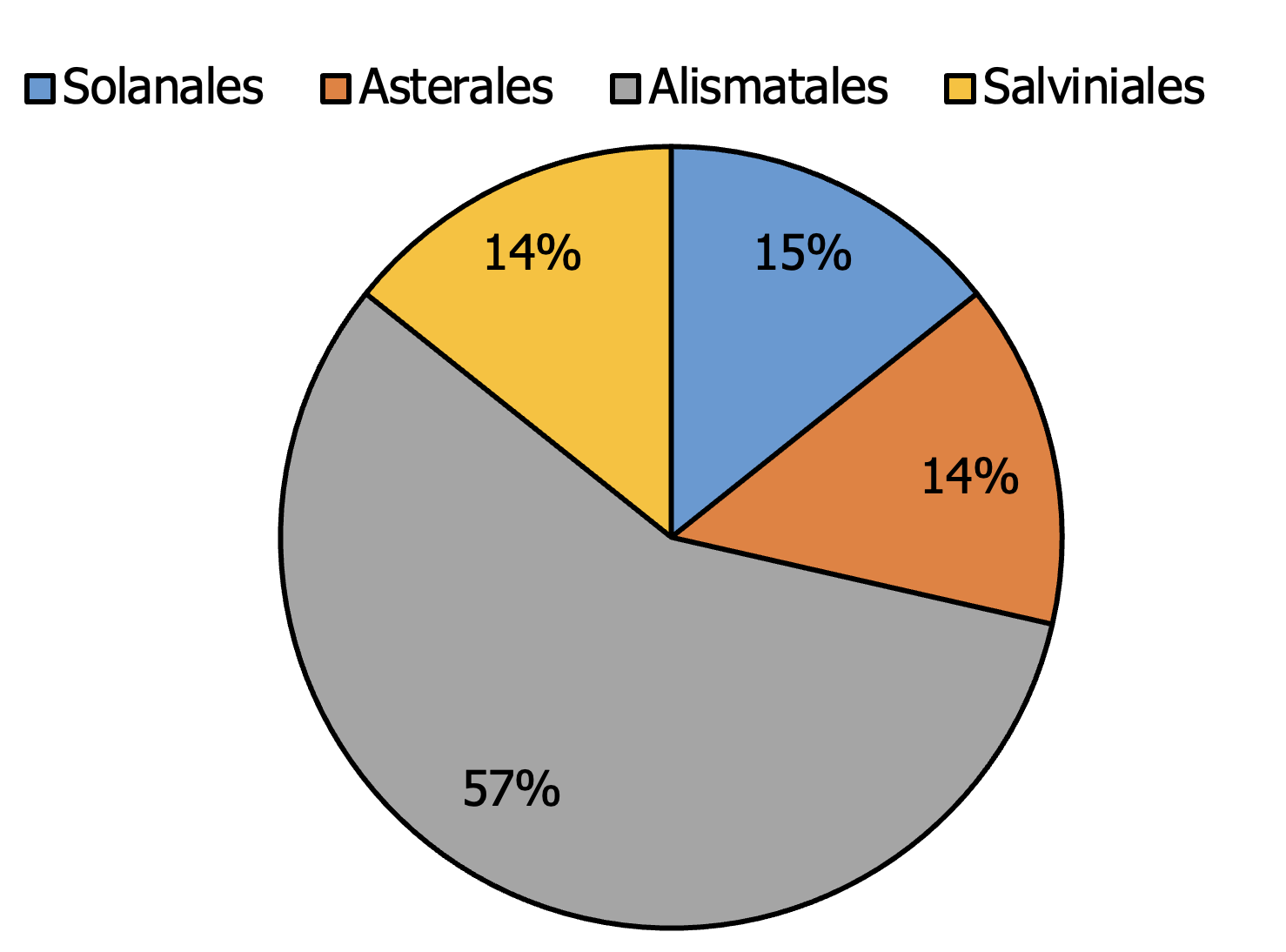 Figure 5. Percentage of plant species in dry season.
3.5 Threaten species
The findings reveal a noticeable decline in fish biodiversity, with several previously common species now considered rare or potentially locally extinct. Notably, Notopterus notopterus (Foli) and Chitala chitala (Chitol) of the Notopteridae family have experienced sharp population decreases, primarily attributed to habitat degradation and overfishing. Similarly, catfish species such as Ompok pabda (Pabda) and Ompok bimaculatus (Kanipabda) have been adversely impacted by deteriorating water quality and the loss of suitable breeding habitats. Additional species under threat include Bagarius bagarius(Baghair), Rhinomugil corsula (Khorosula), and Colisa labius (Lalkholisha), reflecting broader ecological imbalances in the river ecosystem (Table 5).
Table 5. The threatened species of the Bhairab River.
3.6 Other aquatic species
The Bhairab River supports a variety of aquatic and semi-aquatic species that play critical ecological roles. Pila globosa (apple snail) contributes to nutrient cycling through detritus consumption, while Bufo melanostictus (toad) and Varanus bengalensis (monitor lizard) help control insect and small vertebrate populations, maintaining ecological balance. Species like Melanochelys tricarinata (Indian roofed turtle) and Lamellidens marginalis (freshwater mussel) act as bioindicators, reflecting the river’s water quality. The presence of Scylla serrata (mud crab) suggests occasional brackish water influence, indicating hydrological connectivity. Avian species such as Alcedo atthis (common kingfisher) and Grus grus (Eurasian crane) further underscore the river's significance as a vital feeding and breeding habitat. Despite their ecological importance, these species face threats from habitat degradation and pollution, underscoring the urgency of implementing conservation strategies and sustainable river management practices (Table 6).
Table 6. Other aquatic species.
3.7 Experimental results of water quality parameters
Temperatures peaked in July (wet season) and dropped in January (dry season), reflecting monsoonal and winter influences. The pH remained stable, ranging from neutral to slightly alkaline. Turbidity was highest in the wet season due to runoff and sediment input, while alkalinity peaked in the dry season due to lower flow and higher evaporation. The DO levels were higher during the wet season, whereas BOD was elevated in the dry season, indicating greater organic pollution and reduced water quality.
The highest values generally found in the dry season and the lowest ones are in the rainy season. July shows the highest temperature (31.8 °C), turbidity (785 NTU), and DO (6.5 mg/L) but the lowest pH (7.16) and BOD (1.39 mg/L), likely due to monsoon effects. January records the lowest temperature (22.5 °C) and turbidity (486 NTU) but the highest BOD (1.95 mg/L). Alkalinity peaks in March (145 mg/L) and drops in August (115 mg/L) (Table 8).
Table 7. Highest and Lowest value of water quality of Bhairab River.
3.7.1 Temperature
The Bhairab River water’s monthly temperature variance at the chosen stations. The lowest recorded temperature was 22.5 °C in January, while the maximum temperature was 31.8 °C in July (Figure 6).
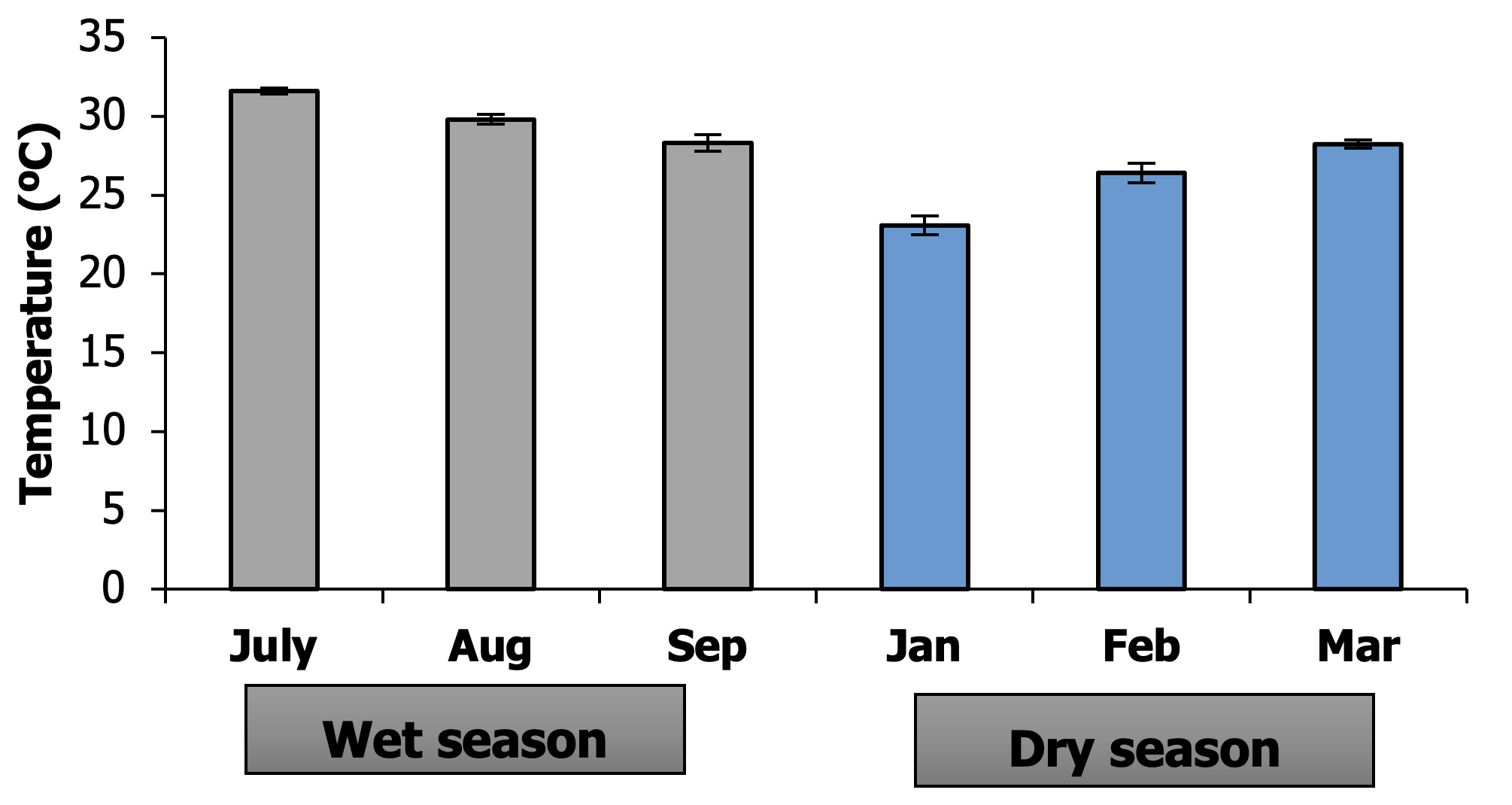 Figure 6. Seasonal variation of temperature in Bhairab River.
3.7.2 pH
The lowest score was 7.16 in July, while the highest value was 7.68 in February. The pH varies a little each month and is quite consistent. Thus, the pH of the water in the Bhairab River was found constant (Figure 7).
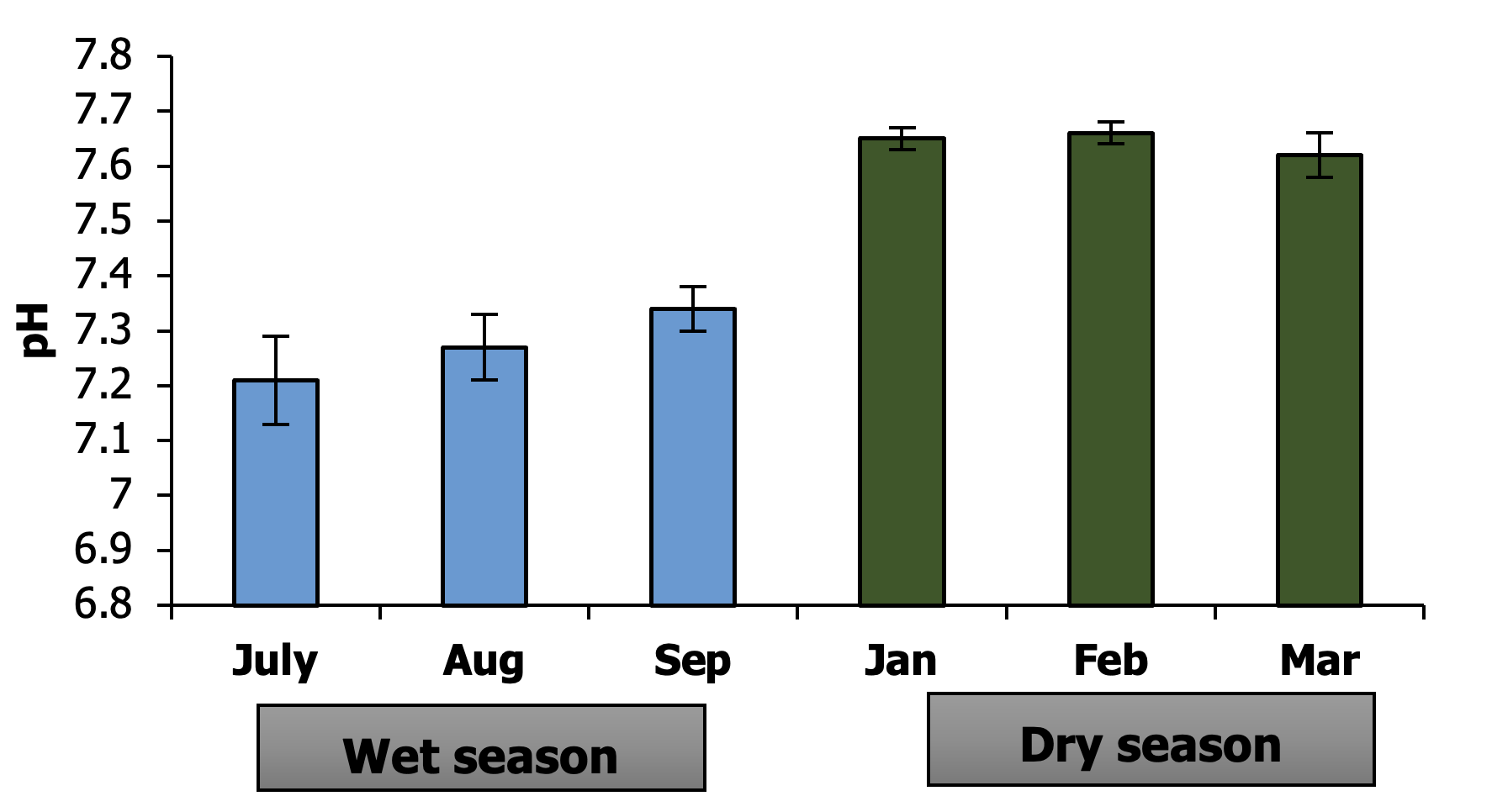 Figure 7. Seasonal variation of pH in Bhairab River.
3.7.3 Turbidity
The turbidity peaked in July at 785 NTU and peaked in January at 486 NTU (Figure 8).
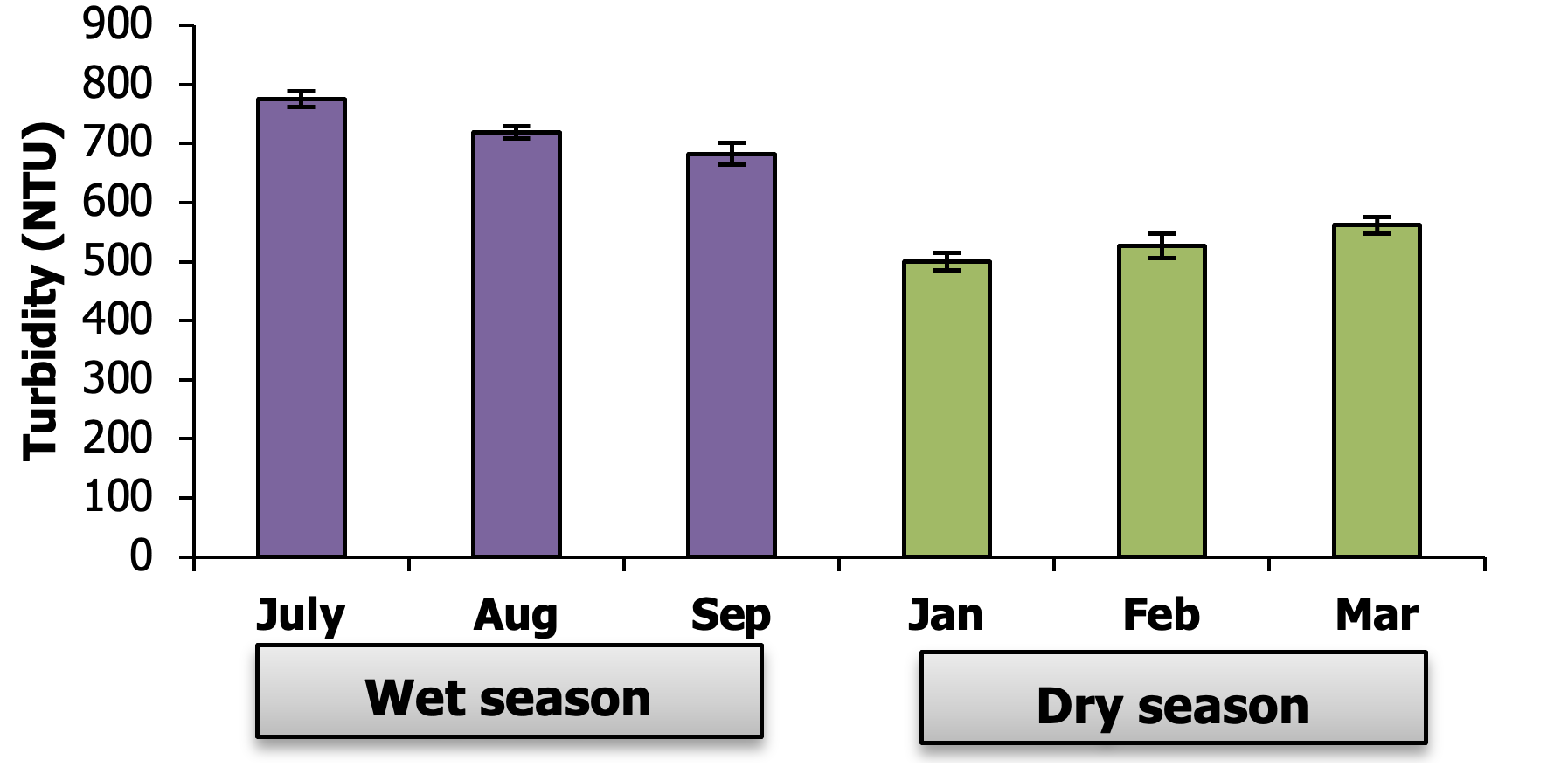 Figure 8. Turbidity in two seasons.
3.7.4 Alkalinity
The highest alkalinity recorded throughout the experiment was 145 mg/L in March, and the lowest was 115 mg/L in August (Figure 9).
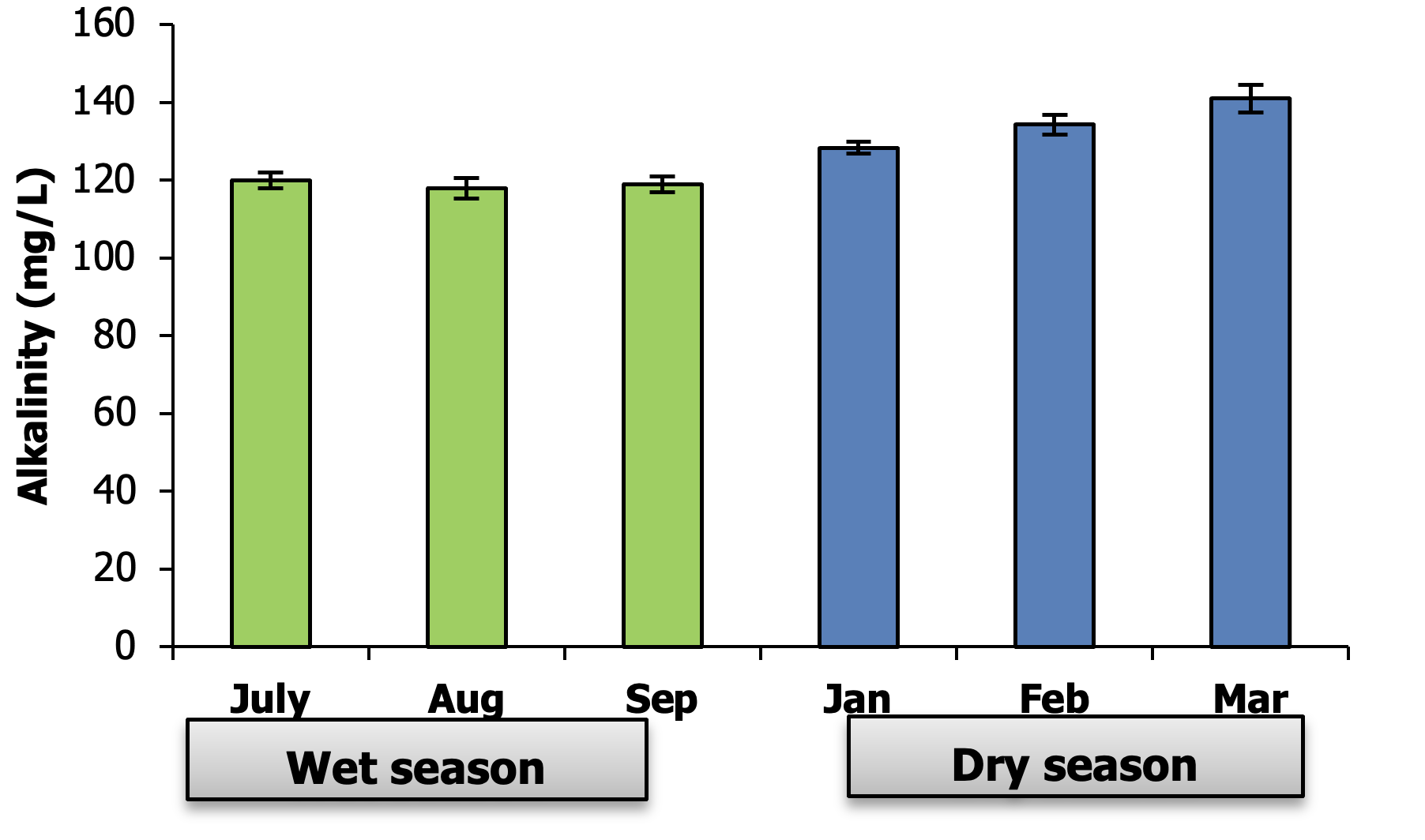 Figure 9. Alkalinity in two seasons.
3.7.5 Dissolved Oxygen (DO)
The highest DO recorded in July was 6.5 mg/L, while the lowest was 4.5 mg/L in March. Bangladesh claims that the standard DO of drinking water is 6.0, which is quite similar to the outcome of the experiment (Figure 10).
3.7.6 Biological Oxygen Demand (BOD)
The average monthly BOD concentrations throughout the investigation. January had the highest BOD of 1.95 mg/L, while July had the lowest BOD of 1.39 mg/L (Figure 11).
4. Discussion
The study identified 29 fish species in the Bhairab River during the rainy season. These included 13 species from the order Cypriniformes (e.g., Rui, Catla, Mrigal, Titpunti, Silver carp), 4 from Perciformes (e.g., Taki, Shol), 6 from Siluriformes (e.g., Tengra, Pabda, Boal), and one species each from Gobiiformes (Bele) and Anabantiformes (Koi). Additionally, 2 species each were recorded from Synbranchiformes (Guchibaim, Tarabaim) and Cichliformes (Tilapia, Nilotika). In contrast, only 11 species were recorded during the dry season, including three Cypriniformes (Titpunti, Sarpunti, Mola), two Perciformes (Taki, Shol), two Siluriformes (Tengra, Shing), two Synbranchiformes (Guchibaim, Tarabaim), and two Cichliformes (Tilapia, Nilotika). Local fishers noted a sharp decline in biodiversity over the past decades, attributing it to declining water depth, overfishing, temperature changes, and chemical pollution—consistent with previous findings (Marques, 2020; Islam et al., 2017). The study also recorded aquatic plant diversity, with 19 species identified during the wet season, including Lotus, Mutha, Malancha, Panikocu, and Shapla. In the dry season, only 7 species were observed, such as Kochu, Kalmilata, Najas grass, Topapana, and Helencha, reflecting reduced water availability and habitat conditions.
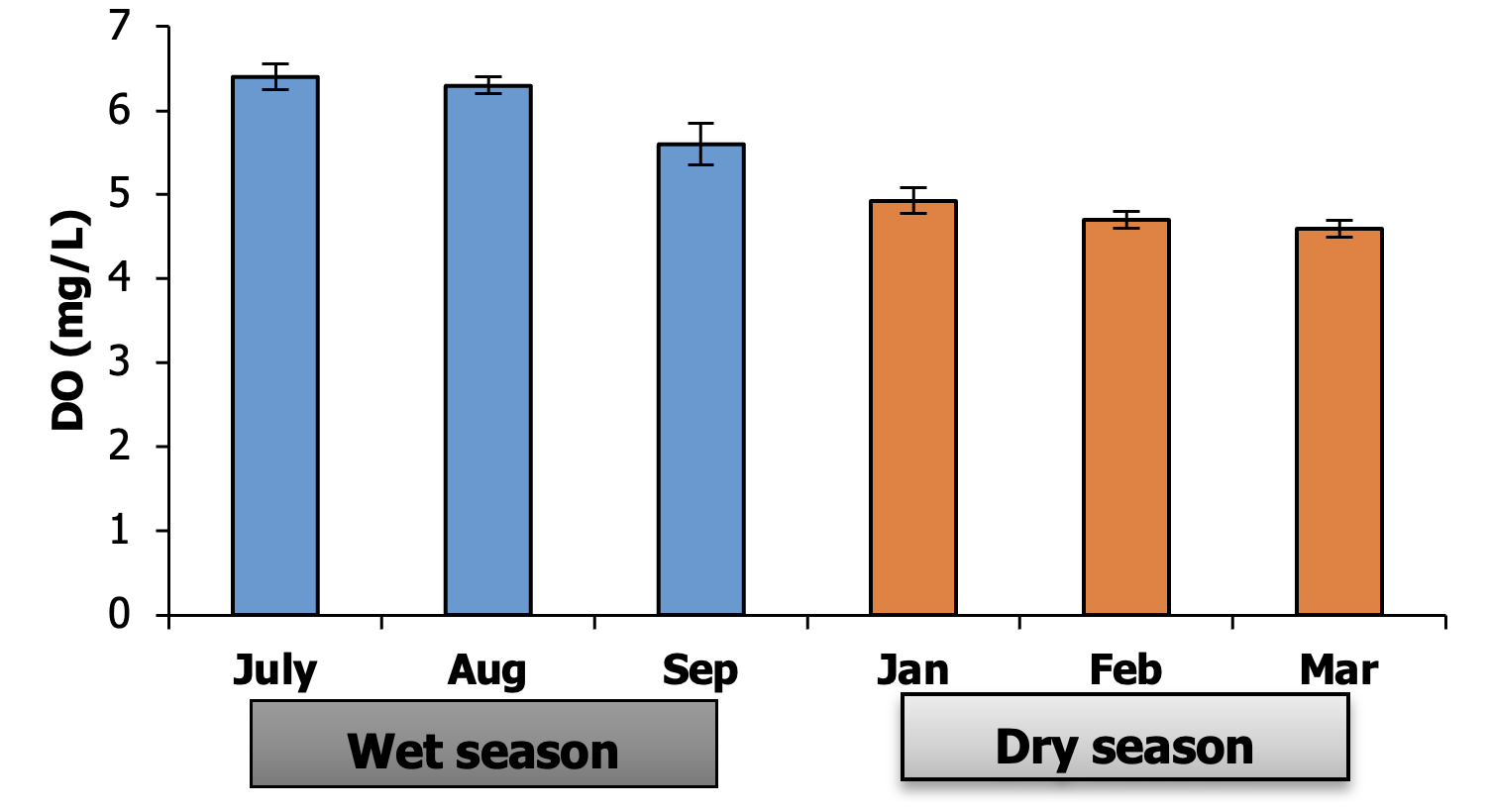 Figure 10. Seasonal variation of DO of Bhairab River.
 Figure 11. Seasonal variation of Biological Oxygen Demand (BOD) of Bhairab River.
The physicochemical properties of water are crucial as they significantly influence water quality standards. These characteristics can also affect the evolution of biological life forms in the water. Key physicochemical factors such as pH, total dissolved solid (TDS), and electric conductivity (EC) play an essential role in determining water quality indices, which are closely linked to the hydrology and hydro-geography of a river ecosystem (Hossain et al., 2024).
The average temperatures recorded in the designated areas during the months of July, August, September, January, February, and March were 31.60 ºC, 29.80 ºC, 28.30 ºC, 23.10 ºC, 26.40 ºC, and 38.20 ºC, respectively. The highest temperature in the wet season occurred in July, reaching 31.8 ºC, while the lowest temperature in the dry season was recorded in January at 22.50 ºC. A previous study by Kurniawan and Imron (2019) reported a peak wet season temperature of 30.20 ºC in July and a lowest dry season temperature of 21.80 ºC.
The average pH values for the selected areas during July, August, September, January, February, and March were 7.21, 7.27, 7.34, 7.65, 7.7, and 7.62, respectively. The highest pH value of 7.68 was recorded during the dry season, from February to July, while the lowest occurred in July. Throughout the study period, the pH values ranged between 7.2 and 8.01, and temperatures ranged from 28 to 31.5 ºC. According to WHO standards (Saalidong et al., 2022), pH values between 6.5 and 8.5 are deemed suitable for domestic, recreational, and agricultural use, indicating that the water quality is within acceptable limits.
Turbidity in water refers to the reduction in transparency, which can hinder light penetration and negatively affect photosynthesis. This phenomenon can have adverse effects on benthic organisms (Gao et al., 2019). During the wet season in July, turbidity peaked at 785, while in the dry season, it was lower, with a minimum value of 486 in January. Alkalinity levels were higher during the dry season, with a recorded value of 145 in March, while the wet season saw a lower alkalinity level of 115 in August.
The DO is a crucial metric for assessing water quality, as it is essential for the survival of fish and other aquatic organisms. DO levels are primarily influenced by atmospheric oxygen and the photosynthetic activity of aquatic plants. However, factors such as temperature, salinity, air pressure, and pollutants can also affect DO concentrations. Low DO levels can significantly impact aquatic life, leading to stunted growth, reduced reproductive capacity, and even mortality. Excessive photosynthetic plant growth can cause oxygen oversaturation when the rate of photosynthesis surpasses the oxygen absorption rate, threatening the health of the ecosystem (Kalinitchenko et al., 2023). The highest DO level recorded was 6.5 in July (wet season), while the lowest was 4.5 in March (dry season).
The BOD measures the amount of oxygen required to decompose microorganisms in water, making it an essential metric for assessing water quality and determining the level of organic contamination. High BOD levels indicate an elevated concentration of organic material, which can deplete DO and negatively affect aquatic life. Therefore, BOD is a critical factor in evaluating the health of river ecosystems and identifying potential pollution sources (Prambudy et al., 2019). The highest BOD recorded was 1.95 in January (dry season), while the lowest was 1.39 in July (wet season). The study also considered other water quality factors, including pH, transparency, salinity, total alkalinity, total acidity, and DO. The average values across several stations were: temperature 29 ºC, pH 7.68, transparency 10.88 cm, salinity 3.18 ppt, EC 4.78 mS/cm, total alkalinity 103.91 mg/L, total acidity 8.4 mg/L, DO 5.1 mg/L, and dissolved free carbon dioxide 3.89 mg/L.
Conclusions
This study assessed the seasonal variations in aquatic flora and fauna diversity and water quality in the Bhairab River. Findings revealed significant seasonal fluctuations, with greater biodiversity observed during the wet season compared to the dry season. The physicochemical characteristics of the river water also varied between seasons, influenced by factors such as industrial activities, urbanization, and agricultural practices. The decline in aquatic biodiversity and deterioration of water quality highlight the pressing need for sustainable river management strategies. The study underscores the importance of continuous monitoring and implementing conservation measures to safeguard aquatic ecosystems. However, knowledge gaps remain regarding the long-term ecological impacts of pollution and habitat alteration on river biodiversity. Future studies should explore mitigation measures, community-based conservation efforts, and the effectiveness of policy interventions to restore and sustain riverine ecosystems.
Acknowledgements
The authors wish to express their sincere thanks to Fisheries and Marine Bioscience Laboratory, Department of Fisheries and Marine Bioscience, Jashore University of Science and Technology (JUST) for the laboratory support to complete this research.
Funding information
The authors did not get any external funding.
Data availability
The data generated from this study might be shared with a valid request from the corresponding author.
Informed consent statement
Not applicable.
Conflict of interest
The authors declare no conflict of interest.
Authors’ contribution
Conceptualization, data curation, formal analysis, investigation, methodology, reviewing and writing original draft: Sk. Shorif Uddin; Data collection, formal analysis, writing the original draft, reviewing and editing: Abu Bakar Siddique; Data analysis, editing of draft: Chayan Kumar Chatterjee; Formal analysis, review, and editing: Hriday Rahut; Review, and editing: Sadek Ahammed Maruf. All authors critically reviewed the manuscript and agreed to submit final version of the article.
