



Freshwater ecosystems represent some of the most biologically productive and taxonomically diverse environments on Earth, yet they remain among the most vulnerable to anthropogenic disturbance (Antonelli et al., 2024). Despite occupying less than one percent of the global surface area, freshwater habitats sustain a disproportionately high fraction of aquatic biodiversity, particularly invertebrate taxa that form the structural and functional foundation of aquatic food webs (Sayer et al., 2025). Among these invertebrates, decapod crustaceans—including prawns, shrimps, and crabs—are of exceptional ecological significance. They function simultaneously as detritivores, omnivores, and predators, thereby regulating nutrient recycling, organic matter decomposition, sediment bioturbation, and energy transfer across trophic levels (Musin et al., 2023). In tropical regions such as Malaysian Borneo, freshwater decapods contribute substantially to ecosystem stability through their adaptive life-history strategies and ecological plasticity (Putra et al., 2025). The genus Macrobrachium, in particular, is widely distributed across Southeast Asia and exhibits diverse reproductive and dispersal strategies, ranging from freshwater to amphidromous life cycles. Additionally, low-salinity lake systems may support euryhaline species such as Metapenaeus, reflecting ecological connectivity between inland and coastal environments (Hossain et al., 2021; Wowor et al., 2009). Curtin Lakes in Miri, Sarawak, comprise a complex of interconnected low-salinity water bodies influenced by anthropogenic infrastructure and recreational activities. Despite its ecological and social importance, no comprehensive scientific assessment has documented the decapod crustacean diversity of this system, highlighting the need for systematic investigation.
Although the ecological value of freshwater decapods is well recognized globally, significant regional knowledge gaps persist, particularly within semi-urban or modified lentic ecosystems in Sarawak. Much of the existing literature in Malaysia emphasizes commercially valuable species or large river basins, leaving smaller lake systems underrepresented in biodiversity databases (Sayer et al., 2025; Clements et al., 2006). This imbalance limits understanding of localized species assemblages, ecological interactions, and potential conservation priorities. Furthermore, traditional biodiversity surveys have often relied primarily on morphological identification, which can be problematic due to intraspecific variation, phenotypic plasticity, and cryptic species complexes common among decapods (Carvalho-Batista et al., 2018; Struck et al., 2018; Vrijenhoek, 2009). Closely related taxa within Macrobrachium may exhibit overlapping morphological traits, complicating accurate identification and potentially underestimating true species richness (Siriwut et al., 2020). Advances in molecular techniques, particularly DNA barcoding using mitochondrial markers, have revolutionized taxonomic resolution and phylogenetic analysis; however, these approaches have not been systematically applied to characterize decapod diversity in Curtin Lakes (Siriwut et al., 2021). The absence of molecularly validated baseline data prevents rigorous evaluation of species composition, obscures potential detection of non-native or invasive taxa, and limits the ability to monitor ecological change over time. Addressing these gaps is critical for building a reliable biodiversity inventory and for informing evidence-based ecosystem management.
The present study is guided by the central research question: what is the species composition and diversity of decapod crustaceans inhabiting Curtin Lakes as determined through molecular identification methods? This question extends beyond simple species listing to encompass ecological interpretation of assemblage structure within a low-salinity, hydrologically interconnected system. Specifically, the study seeks to determine whether the decapod community is dominated by freshwater taxa, particularly species of Macrobrachium, or whether euryhaline penaeid species are also present due to salinity gradients and possible connectivity with adjacent water systems. It is hypothesized that the decapod assemblage will exhibit high freshwater species richness dominated by Macrobrachium, and that molecular analysis will provide more accurate species resolution than morphological identification alone.
To address these questions, the primary objective of this research is to determine the species diversity of decapod crustaceans in Curtin Lakes using molecular identification approaches. Specific objectives include systematic sampling across multiple locations within the interconnected lake complex to capture spatial variation in species occurrence; extraction of genomic DNA from representative specimens; amplification and sequencing of target gene regions suitable for species discrimination; and comparison of obtained sequences with established reference databases for precise taxonomic assignment. This study provides a molecularly verified baseline of decapod diversity in Curtin Lakes, supporting long-term ecological monitoring, conservation planning, and detection of invasive or economically important species. The findings contribute to regional biodiversity knowledge and inform sustainable ecosystem and resource management strategies in Sarawak.
2. Materials and methods
2.1 Ethical approval
No ethical approval was required to conduct the study.
2.2 Sampling of decapod crustaceans
Sampling and collection of decapod crustaceans were conducted randomly across selected lakes and ponds within the Curtin University Malaysia campus (Figure 1). Specimens were captured using baited traps (with fish meat), cast nets, and scoop nets. Collected individuals were transported alive to the Curtin Aquaculture Research Laboratory (CARL) hatchery, where they were maintained under controlled conditions prior to species identification.
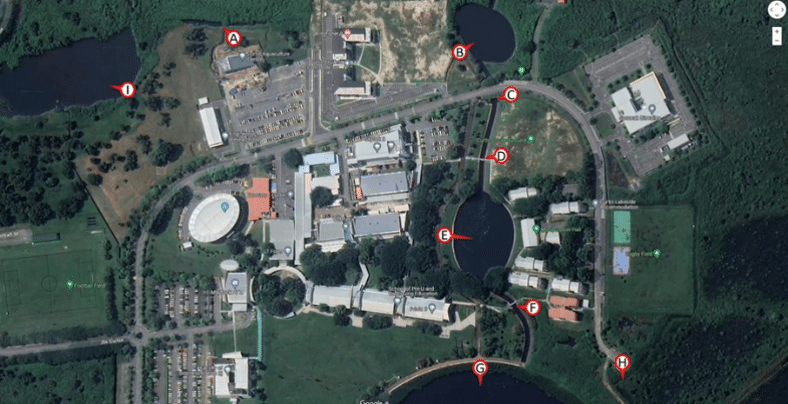
Figure 1. Sampling locations for decapod crustacean diversity assessment in Curtin Lakes, Miri, Sarawak, Malaysia.
2.3 Species identification through molecular approach
Species identification of decapod crustaceans was performed using a molecular-based approach to ensure accurate taxonomic resolution. The procedure consisted of three main steps, (i) genomic DNA extraction, (ii) Polymerase Chain Reaction (PCR) amplification of target gene regions, and (iii) sequencing of the amplified DNA fragments. Total genomic DNA was extracted from muscle tissue obtained from each specimen using standard extraction protocols. Tissue samples were preserved prior to extraction to maintain DNA integrity. The quality and concentration of extracted DNA were assessed to ensure suitability for downstream applications (Dahn et al., 2022). PCR amplification was conducted using species-discriminatory mitochondrial gene markers commonly employed in crustacean barcoding studies. Amplification reactions were performed under optimized thermal cycling conditions, including initial denaturation, repeated cycles of denaturation, annealing, and extension, followed by a final extension step. Successful amplification was confirmed through gel electrophoresis (Lee et al., 2025; Moorthy et al., 2025). The purified PCR products were then subjected to DNA sequencing. Obtained sequences were edited and aligned before being compared against reference sequences available in public genetic databases using similarity-based search tools. Species identification was assigned based on high sequence similarity and accession number matches, thereby providing reliable molecular confirmation of taxonomic identity (Aktopraklıgil, 2025; Johnson et al., 2019).
3. Results
3.1 Molecular identification of prawn samples
BLAST analysis of the obtained DNA sequences against the NCBI GenBank database confirmed that prawn sample 1 belongs to the genus Metapenaeus. The query sequence showed 100% coverage with best matches to Metapenaeus elegans, M. ensis, M. intermedius, and M. affinis, all with an E-value of 0.0 (Figure 2).
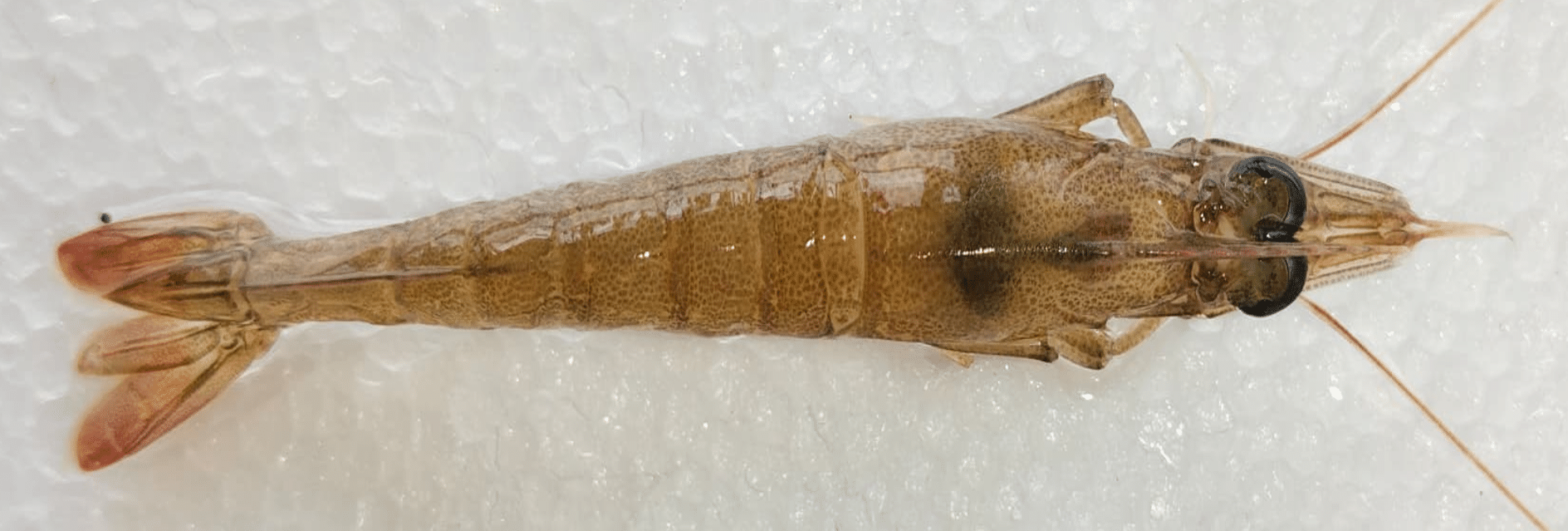
Figure 2. BLAST analysis of prawn sample 1 DNA sequence showing alignment results against the NCBI GenBank database, indicating closest matches to Metapenaeus species (sample 1).
BLAST analysis of prawn samples 1–5 revealed distinct molecular matches across penaeid and freshwater taxa (Table 1). Sample 1 showed 88% nucleotide identity with 100% query coverage (E-value 0.0) to multiple Metapenaeus species, including M. elegans, M. ensis, M. intermedius, and M. affinis, confirming genus-level identification. Sample 2 matched Macrobrachium idae with high nucleotide identity (98–100%) and query coverage up to 93% (E-value 0.0), supporting reliable species-level assignment. Sample 3 demonstrated 99–100% query coverage but lower nucleotide identity (87–88%) to M. idae, M. neglectum, and M. rosenbergii, indicating strong genus-level placement within Macrobrachium but uncertain species-level resolution. Sample 4 showed 97–100% query coverage with 99–100% nucleotide identity (E-value 0.0) to Macrobrachium rosenbergii, confirming definitive species identification. Similarly, Sample 5 exhibited 99–100% query coverage and 98–100% nucleotide identity (E-value 0.0) to Macrobrachium lanchesteri, verifying its presence in the study area.
Table 1. Molecular identification of penaeid prawn species from prawn sample 1-5.
| Sample | Species matched | Nucleotide identity (%) | Query cover (%) | E-value | Accession number |
| 1 | Metapenaeus elegants | 88 | 100 | 0.0 | MT178633.1 |
| Metapenaeus ensis | 88 | 100 | 0.0 | KX151841.1
NC_026834.1 MK500697.1 KX151845.1 |
|
| Metapenaeus intermedius | 88 | 100 | 0.0 | MT178641.1
MT178640.1 NC_079639.1 |
|
| Metapenaeus affinis | 88 | 100 | 0.0 | MT178621.1
MT178620.1 |
|
| 2 | Macrobrachium idae | 100 | 93 | 0.0 | FM986617.1 |
| 98 | 97 | 0.0 | DQ194930.1 | ||
| 92 | 0.0 | PV712913.1
PV712914.1 PV712915.1 GU987058.1 PV712925.1 |
|||
| 90 | 0.0 | KP037053.1 | |||
| 3 | Macrobrahium idea | 88 | 99 | 3e-179 | AB235262.1 |
| Macrobrachium neglectum | 87 | 99 | 1e-177 | AB235286.1 | |
| Macrobrahium rosenbergii | 87 | 100 | 2e-171 | KX585700.1
PQ213808.1 KX585722.1 KX585703.1 KX585727.1 KX585687.1 KX585687.1 KX585702.1 |
|
| 4 | Macrobrahium rosenbergii | 100 | 100 | 0.0 | KX151830.1
MW602629.1 PQ276890.1 MZ781277.1 PP566961.1 MZ781226.1 KY865098.1 |
| 99 | 0.0 | MK782972.1 | |||
| 97 | 0.0 | KJ652338.1
AB235295.1 |
|||
| 5 | Macrobrahium lanchesteri | 100 | 100 | 0.0 | NC_012217.1
JF775468.1 OR578698.1 OR578645.1 |
| 99 | 99 | 0.0 | OR578691.1
OR578661.1 OR578686.1 OR578692.1 OR578669.1 |
||
| 98 | 99 | 0.0 | OR578678.1 |
BLAST analysis of the DNA sequence obtained from prawn sample 2 against the NCBI GenBank database revealed that the specimen showed the highest similarity to Macrobrachium idae. The query coverage ranged from 90% to 93%, with nucleotide identity between 98% and 100%, and an E-value of 0.0 (Figure 3).
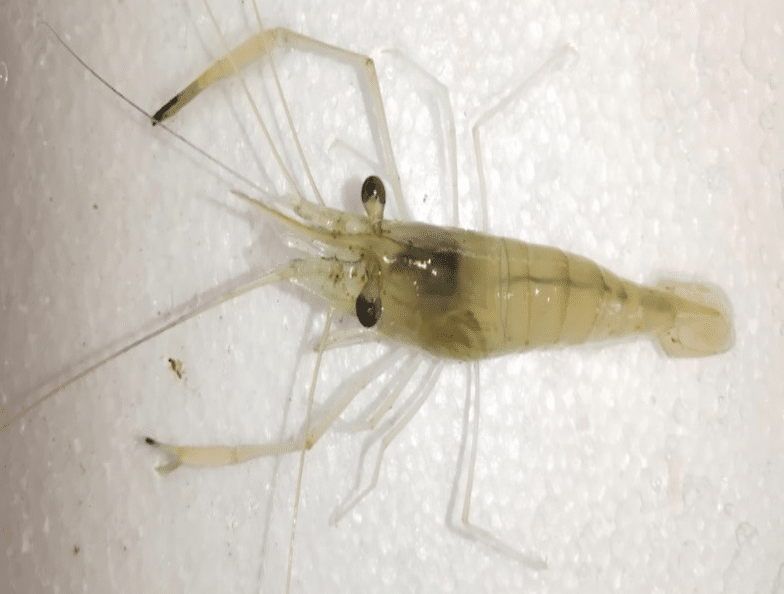
Figure 3. BLAST alignment results of prawn sample 2 DNA sequence against the NCBI GenBank database showing highest similarity to Macrobrachium idea (sample 2).
BLAST analysis of the DNA sequence from Prawn Sample 3 against the NCBI GenBank database indicated that the specimen belongs to the genus Macrobrachium, with query coverage ranging from 99% to 100% (Figure 4). However, the percentage identity values were below 95% (87%–88%), suggesting uncertain species-level resolution. The closest matches included Macrobrachium idae (E-value 3e-179), M. neglectum (E-value 1e-177), and M. rosenbergii (E-value 2e-171). Although the extremely low E-values confirm strong sequence alignment and reliable genus-level placement, the relatively low identity percentages indicate that the specimen may represent a genetically distinct or distantly related lineage within the genus Macrobrachium.
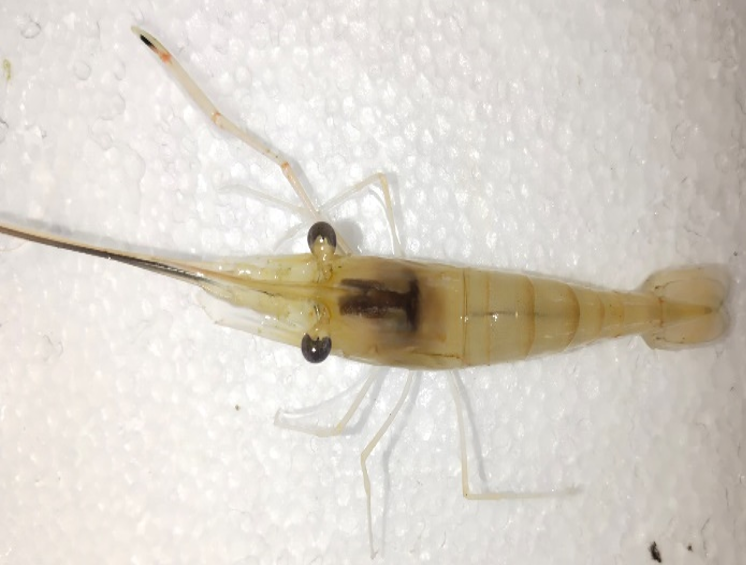
Figure 4. BLAST alignment results of prawn sample 3 DNA sequence against the NCBI GenBank database indicating genus-level identification within Macrobrachium (sample 3).
BLAST analysis of the DNA sequence obtained from prawn sample 4 against the NCBI GenBank database confirmed a definitive match with Macrobrachium rosenbergii. The sequence showed query coverage ranging from 97% to 100%, with 100% nucleotide identity and an E-value of 0.0 (Figure 5).
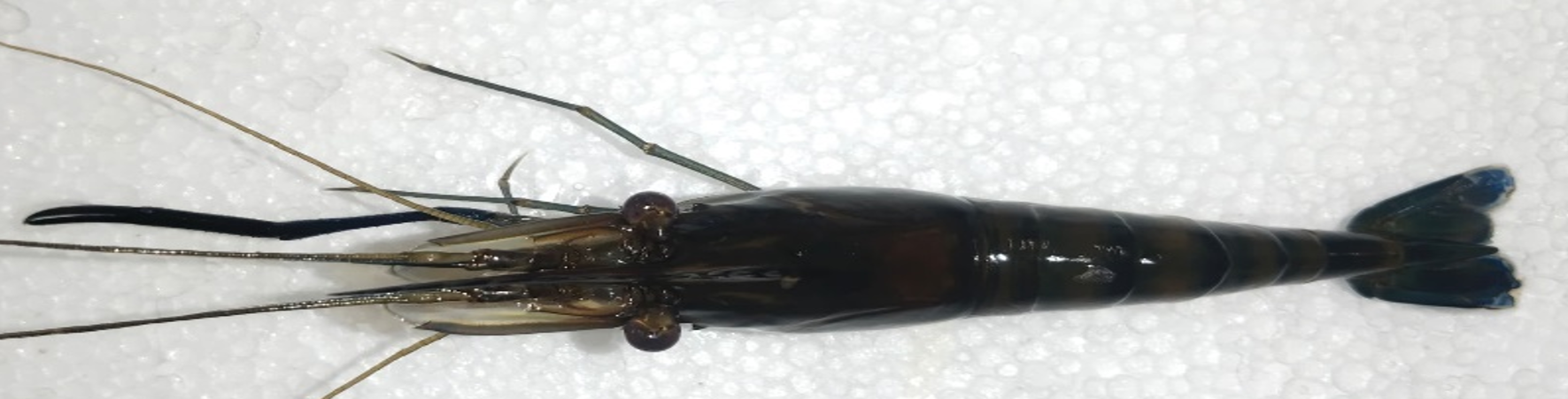
Figure 5. BLAST alignment results of Prawn Sample 4 DNA sequence against the NCBI GenBank database showing a 100% identity match with Macrobrachium rosenbergii (sample 4).
BLAST analysis of the DNA sequence from prawn sample 5 against the NCBI GenBank database demonstrated a strong match with Macrobrachium lanchesteri. The sequence exhibited query coverage between 99% and 100%, nucleotide identity ranging from 98% to 100%, and an E-value of 0.0 (Figure 6).
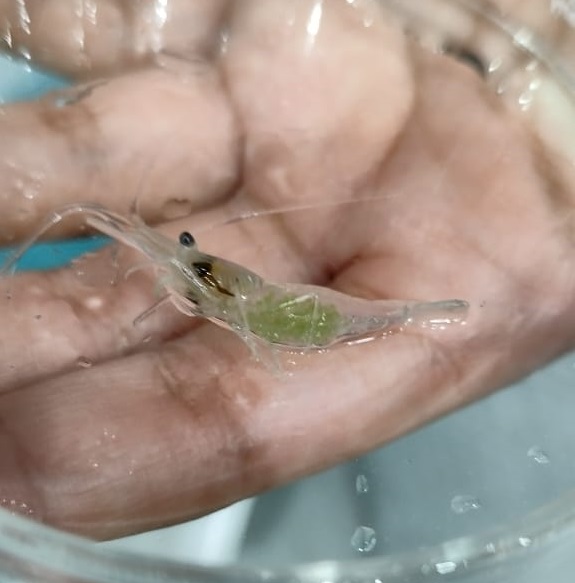
Figure 6. BLAST alignment results of prawn sample 5 DNA sequence against the NCBI GenBank database showing high similarity to Macrobrachium lanchesteri (sample 5).
4. Discussion
BLAST analysis revealed a diverse decapod assemblage within the Curtin Lake system, comprising both penaeid (Metapenaeus) and freshwater Macrobrachium taxa. Prawn Sample 1 showed 100% query coverage but relatively low nucleotide identity (88%) to several Metapenaeus species, indicating confident genus-level assignment yet uncertain species-level resolution, possibly reflecting high intraspecific variation or incomplete representation in reference databases. In contrast, samples 2, 4, and 5 demonstrated high nucleotide identity (98–100%), strong query coverage, and E-values of 0.0, confirming reliable species-level identification as Macrobrachium idae, M. rosenbergii, and M. lanchesteri, respectively. Sample 3 exhibited high query coverage (99–100%) but lower identity values (87–88%), suggesting accurate placement within Macrobrachium but potential genetic divergence from currently available reference sequences. Such discrepancies between coverage and identity highlight the advantage of molecular techniques in resolving taxonomic ambiguity, particularly in groups known for morphological similarity and cryptic diversity (Wanna et al., 2021; Jung et al., 2011).
The coexistence of Metapenaeus and multiple Macrobrachium species suggests ecological complexity within the low-salinity lake system, potentially influenced by hydrological connectivity and environmental gradients. The confirmed presence of economically important species such as M. rosenbergii supports the ecological and resource value of the habitat (Torres et al., 2014; Bauer and Delahoussaye, 2008). While detection of M. lanchesteri warrants ecological monitoring due to its association with introductions via aquarium trade pathways (Saito et al., 2025; Aprila et al., 2020). Lower nucleotide identity observed in certain samples further indicates that freshwater decapods may exhibit substantial genetic differentiation in geographically isolated systems (Grobler and Daniels, 2024; Verry et al., 2020). Overall, the findings reinforce the importance of integrating molecular identification into biodiversity assessments, particularly in understudied freshwater ecosystems where baseline data remain limited (Sawh et al., 2025; Simaika et al., 2024).
5. Conclusions
This study provides the first molecular-based assessment of decapod crustacean diversity in Curtin Lakes, revealing a rich assemblage of both penaeid (Metapenaeus) and freshwater (Macrobrachium) species. Molecular analysis allowed accurate genus- and species-level identification, uncovering both well-documented species such as Macrobrachium rosenbergii, M. idae, and M. lanchesteri, as well as specimens with lower nucleotide identity that may represent cryptic or genetically distinct lineages. The findings highlight the ecological complexity of the lake system, the potential presence of introduced species, and the importance of monitoring freshwater biodiversity in low-salinity habitats. Overall, this work establishes a baseline for future ecological and conservation studies, providing critical information to support sustainable management of decapod populations and the preservation of regional freshwater biodiversity.
