



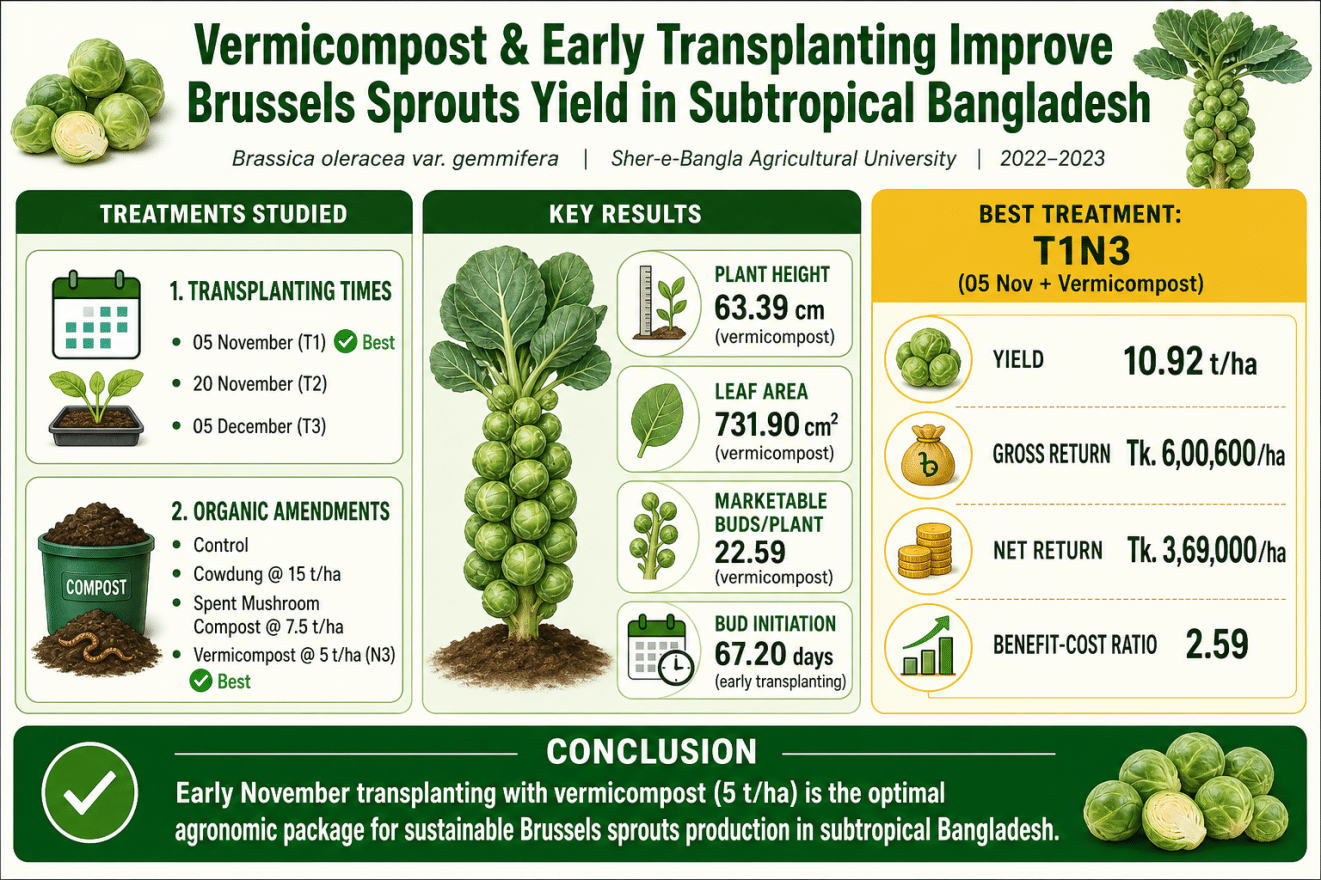
Brussels sprouts (Brassica oleracea L. var. gemmifera), a nutritionally rich cole crop, are cultivated for their compact axillary buds and are considered a high-value winter vegetable in temperate and subtropical production systems. The crop is valued for its significant content of vitamins, minerals, dietary fiber, and health-promoting phytochemicals, which enhance its dietary and functional importance (Brown and Hutchison, 2023). In addition to its nutritional significance, Brussels sprouts have commercial potential as a specialty vegetable for winter diversification and premium market development in peri-urban and intensive vegetable production areas. However, despite these advantages, Brussels sprouts remain underexploited in Bangladesh, where locally adapted agronomic recommendations for subtropical cultivation are still scarce.
Among the agronomic factors influencing successful production, transplanting time is particularly important because crop establishment under favorable environmental conditions regulates vegetative growth, crop duration, and marketable yield in Brassica vegetables. Studies on Brassica crops have shown that appropriate sowing or transplanting schedules improve canopy development, biomass accumulation, and yield, whereas delayed establishment frequently reduces growth and productivity under field conditions (Brown and Hutchison, 2023; Xiao et al., 2022). In cauliflower, delayed transplanting under stress conditions reduced vegetative growth and yield, highlighting the importance of synchronizing crop establishment with favorable cool-season weather (Dhukuchhu et al., 2026; Kartika and Lakitan, 2021). Likewise, bio-fertilizer studies in cauliflower and cabbage also emphasize that transplanting date interacts with the nutrient environment to influence plant growth and productivity under late-season conditions (Abd El-All et al., 2022). Since winter temperatures in Bangladesh provide a comparatively suitable thermal window for cool-season Brassica vegetables, identifying an optimum transplanting time is essential for successful Brussels sprouts cultivation under subtropical conditions.
Sustainable nutrient management is a key prerequisite for vegetable production in Bangladesh, where declining soil organic matter, nutrient imbalance, and intensive cultivation often limit productivity and soil health. Recent evidence indicates that organic and bio-organic nutrient sources can improve soil biochemical properties, microbial activity, nutrient cycling, and crop performance, thereby supporting environmentally sound production systems (Xiao et al., 2022; Silva et al., 2020). For example, in cauliflower, the combined use of reduced chemical fertilizer and bio-organic fertilizer increased yield through favorable changes in soil enzyme activity and bacterial communities, demonstrating the agronomic value of organic-based nutrient strategies (Xiao et al., 2022). Similarly, the interaction of organic and mineral fertilization during Brassica oleracea cultivation has been shown to influence soil processes and environmental outcomes, reinforcing the importance of balanced nutrient management in Brassica cropping systems (Silva et al., 2020). Other recent studies further report positive effects of bio-fertilizer, vermicompost, and organic manures on cauliflower growth, productivity, and economic return, suggesting that organic nutrient sources can serve as practical alternatives or complements to mineral fertilizers in intensive vegetable systems (Kumar et al., 2025; Abd El-All et al., 2022). Among the available organic amendments, vermicompost is particularly promising due to its balanced nutrient composition, humic substances, and beneficial microbial populations that may stimulate root growth, nutrient uptake, and yield formation in vegetable crops.
Although the effects of planting time and nutrient management have been widely investigated in several Brassica vegetables, comparable information for Brussels sprouts under subtropical Bangladesh conditions is still lacking. This knowledge gap limits the development of location-specific recommendations for farmers interested in growing Brussels sprouts as a profitable winter vegetable under sustainable and organic-oriented production systems. In Bangladesh, the absence of evidence-based recommendations on suitable transplanting time and efficient organic nutrient sources constrains wider adoption of this crop and hinders efforts to diversify winter vegetable production with higher-value alternatives. We hypothesized that early transplanting during the favorable cool-season window, particularly when combined with vermicompost, would improve vegetative growth, accelerate bud initiation, and increase marketable yield and profitability of Brussels sprouts. Therefore, the present study was undertaken to determine a suitable transplanting time for maximizing growth and yield of Brussels sprouts and to evaluate the effects of different organic nutrient sources on crop performance under Dhaka conditions. The findings of this study are expected to contribute to the development of a sustainable production package for Brussels sprouts in subtropical Bangladesh, thereby supporting soil health improvement, farmer profitability, and diversification of high-value winter vegetable cultivation.
2. Materials and Methods
2.1 Ethical approval statement
No ethical approval was required to conduct the study.
2.2 Experimental site and soil characteristics
The field experiment was conducted at the Horticulture Farm, Sher-e-Bangla Agricultural University (SAU), Dhaka, Bangladesh (24.09°N, 90.26°E, 8 m elevation) from May 2019 to April 2020 (Figure 1). This site is situated in a subtropical monsoon climate zone, characterized by a distinct cool, dry Rabi season (October to March) that is ideal for winter vegetable cultivation. The experimental soil is classified as Tejgaon series under Agroecological Zone 28 (Madhupur Tract), specifically categorized as Deep Red Brown Terrace Soils. Pre-planting soil analysis, conducted by the Soil Resources Development Institute (SRDI), Dhaka, revealed a sandy loam texture (27% sand, 43% silt, and 30% clay) with a pH of 5.6 and 0.78% organic matter at the experimental site. These findings align with previous reports of acid soils in the Madhupur Tract and adjacent piedmont plains, which typically exhibit slightly acidic pH (5.6–6.2), low to medium organic matter (1.2–1.8%), low total N (0.08–0.12%), medium available P (18–22 ppm), low exchangeable K (0.15–0.20 meq 100 g⁻¹), and a CEC of 12–15 meq 100 g⁻¹ (Asif et al., 2021).
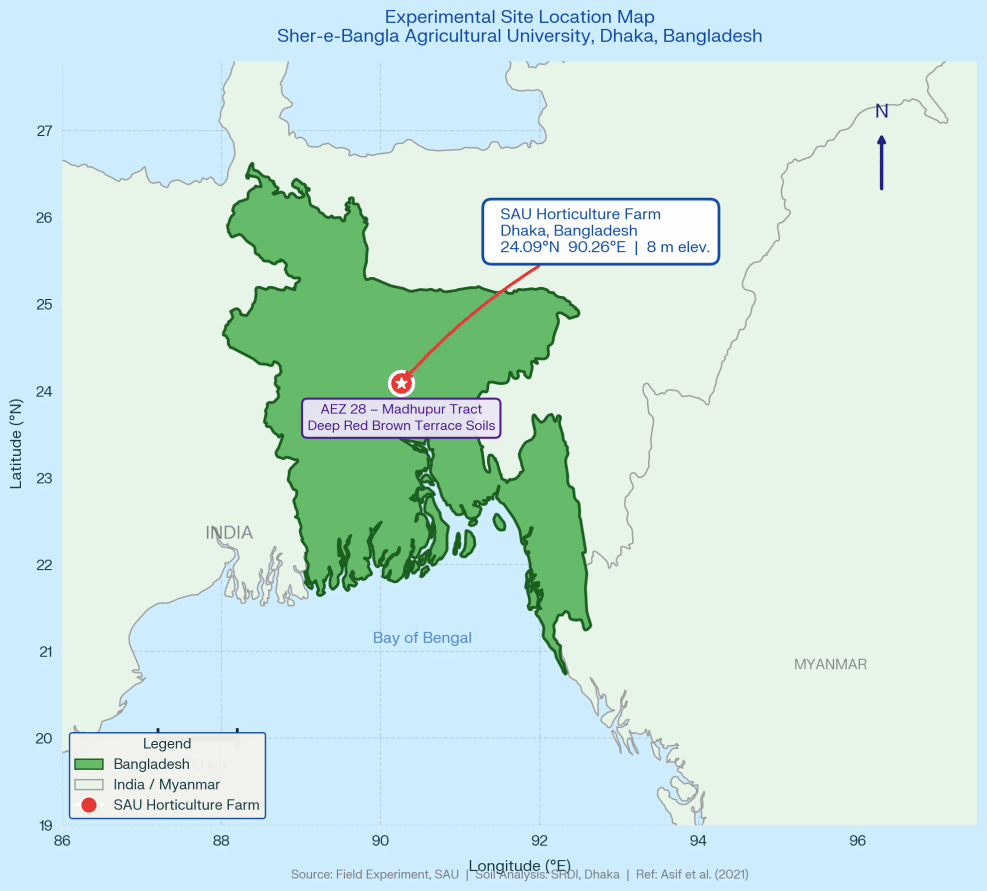
Figure 1. Experimental site and location.
2.3 Experimental design and treatments
The experiment followed a two-factor factorial arrangement in a randomized complete block design (RCBD) with three replications. It comprised three transplanting times (Factor A) and four organic nutrient treatments (Factor B), resulting in 12 treatment combinations and 36 experimental units (Table 1).
Each unit plot measured 1.5 m × 1.2 m, with 0.5 m spacing between blocks and plots. The nutrient composition of organic amendments, determined by SRDI, was as follows: cow dung contained 0.62% N, 0.49% P, and 0.60% K; SMC contained 1.28% N, 0.65% P, and 1.40% K; and vermicompost contained 1.85% N, 1.58% P, and 2.20% K. All organic materials were incorporated as basal applications during final land preparation, and no inorganic fertilizers were applied (Figure 2a, b, c).
Table 1. Different levels of transplanting time (A) and nutrients treatments (B) used in the experiments.
| Factor | Code | Level description |
| A | T₁ | Transplanting on 05 November 2019 |
| A | T₂ | Transplanting on 20 November 2019 |
| A | T₃ | Transplanting on 05 December 2019 |
| B | N₀ | Control (no manure) |
| B | N₁ | Cow dung at 15 t ha⁻¹ |
| B | N₂ | Spent mushroom compost at 7.5 t ha⁻¹ |
| B | N₃ | Vermicompost at 5 t ha⁻¹ |
2.4 Seed germination test with salt priming
A seed germination trial was conducted on Brussels sprouts (Brassica oleracea var. gemmifera) cv. ‘Jade Cross’ on May 20, 2019, to evaluate the effect of different NaCl concentrations as a priming treatment on germination performance (Figure 2 d, e, f). Five salinity treatments were tested in a completely randomized design with three replications (R1, R2, R3): T₁ – control (distilled water, 0 mM NaCl), T₂ – 50 mM NaCl, T₃ – 100 mM NaCl, T₄ – 150 mM NaCl, and T₅ – 200 mM NaCl. The selected NaCl concentrations fall within ranges commonly used to characterize mild to severe salinity stress in recent germination studies and reviews on crop and halophyte species (Hussain et al., 2024; Silva et al., 2020). Seeds were arranged in white rectangular germination trays and Petri dishes, with approximately 20–25 seeds per replicate, under controlled laboratory conditions. This followed standardized seed-quality testing procedures for germination percentage, mean germination time, and early seedling growth described in recent seed-testing and salinity research (Hussain et al., 2024; Prasad, 2023).
Visual assessment revealed a clear dose-dependent response to salinity priming, with T₅ (200 mM NaCl) exhibiting superior germination performance characterized by the highest number of fully emerged seedlings with well-developed green cotyledons and elongated hypocotyls (>2–3 cm). This was followed by T₄ (150 mM NaCl), which also showed robust germination. In contrast, the control treatment (T₁) displayed minimal germination, with most seeds remaining ungerminated or showing only radicle protrusion, while T₂ and T₃ showed intermediate and progressively improved germination responses. This counter-intuitive pattern suggests that moderate salt priming (150–200 mM NaCl) may induce beneficial osmotic adjustment, including the accumulation of compatible solutes such as proline, glycine betaine, and soluble sugars, activation of stress-responsive genes, and enhancement of key hydrolytic enzymes (α-amylase, proteases) that accelerate reserve mobilization and seedling vigor. This is consistent with recent reports on seed priming under salinity stress (Sabarni et al., 2024; El-Sayed et al., 2022). These findings support the view that Brussels sprouts possess moderate halotolerance and that halo-priming can function as a cost-effective seed enhancement strategy to improve emergence and field establishment under marginal, salt-affected soil conditions (Sabarni et al., 2024).
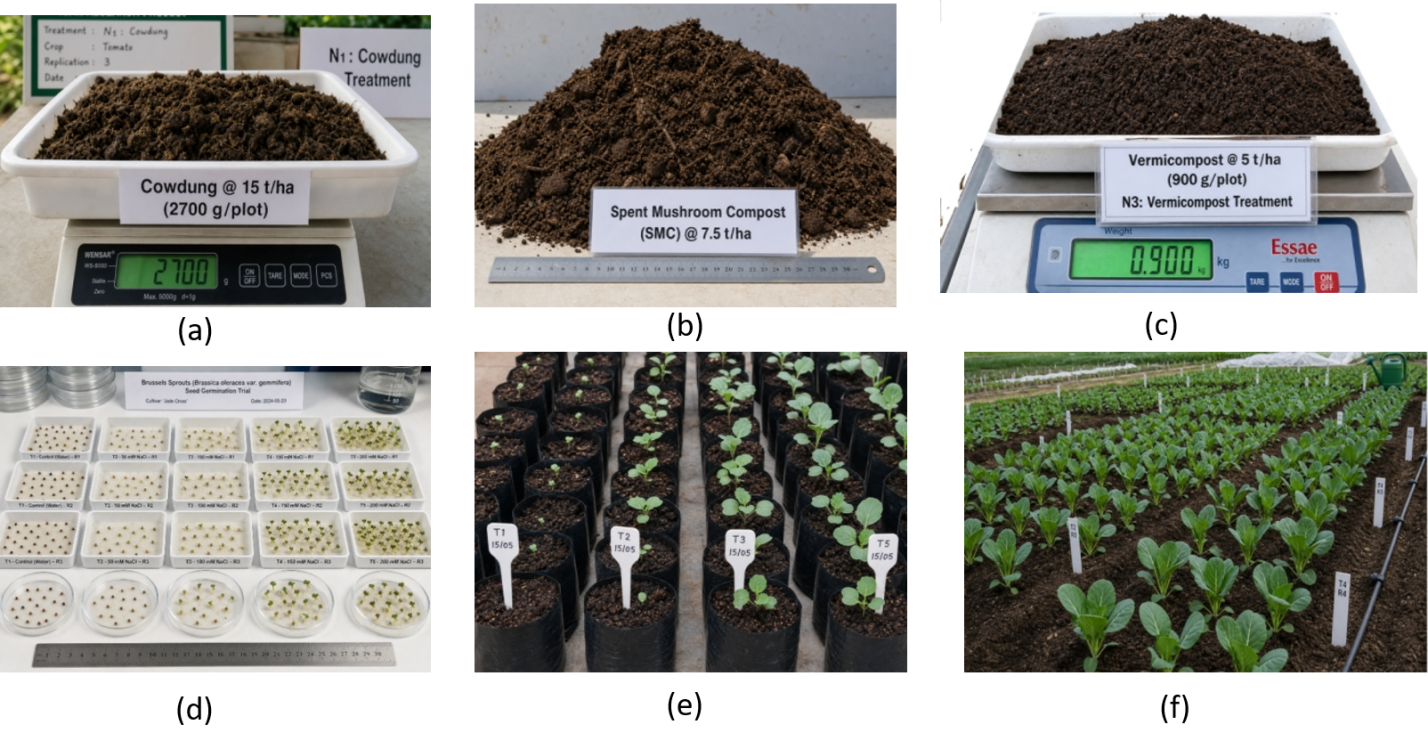
Figure 2. Different organic nutrient sources (a) N₁ = cow-dung @15 t ha⁻¹, (b) N₂-spent mushroom compost (SMC) @7.5 t ha⁻¹, and (C) N₃-vermi-compost @ 5 t ha⁻¹ and different process of (d) germination test, (e) Seedlings growing in polybag and (f) Seedlings transplanted in the experimental field.
2.5 Crop management
Brussels sprouts cv. ‘Groninger’ was used as the test crop. Seeds were sown in nursery beds on staggered dates (October 5, October 20, and November 5, 2019) to produce uniform 30-day-old seedlings for their respective transplanting dates. Seedlings were transplanted at 60 cm × 50 cm spacing and protected from sun scorch using banana leaf shading for 7 days post-transplanting. Standard intercultural operations, including gap filling, weeding (at 20, 40, 60, and 80 DAT), earthing up (at 20 and 40 DAT), irrigation, and staking, were performed as needed throughout the experimental period to maintain proper crop growth and development (Gomez and Gomez, 1984). These operations, along with shallow hoeing, followed standard agronomic practices. Apical stopping was performed at 90 DAT to reduce apical dominance and encourage lateral bud development, consistent with recent findings on topping responses in Brussels sprouts (Sideman et al., 2023). Pest management was based on regular field scouting and integrated pest management principles. The crop was monitored for major insect pests, particularly diamondback moth, and control measures were adopted only when infestation reached a damaging level. Field sanitation, removal of alternate host weeds, and need-based application of selective insecticides with rotation of modes of action were employed to reduce pest pressure and delay resistance development (Furlong et al., 2019).
2.6 Pest and disease management
During the experimental period at Sher-e-Bangla Agricultural University, two major biotic stresses were identified: diamondback moth (Plutella xylostella) infestation and Alternaria leaf spot disease caused by both Alternaria brassicae and Alternaria brassicicola (Figure 3).
Alternaria leaf spot typically manifests as small, black pinprick spots on older, lower leaves. These spots rapidly enlarge into characteristic circular lesions (0.25-0.5 inch diameter) with distinct concentric target-like rings, yellow chlorotic halos, and dark brown to black necrotic centers. These lesions eventually coalesce into large necrotic areas, causing premature leaf drop and rendering Brussels sprout buds unmarketable. Microscopic examination confirmed the presence of both A. brassicae, characterized by larger muriform conidia (92-106 µm length) with prominent beaks (68-88 µm), and A. brassicicola, distinguished by smaller, beakless conidia (46-53 µm length). Both species produced abundant dark brown, chain-like conidiophores during humid conditions. Management strategies included cultural practices such as the removal and trimming of infected lower leaves to reduce inoculum load and improve air circulation. Diamondback moth larvae were controlled through the foliar application of Voliam Flexi 300 SC (thiamethoxam + chlorantraniliprole) at 0.5 mL L⁻¹. This combination insecticide, effective against lepidopteran pests, was applied following weekly monitoring and threshold-based intervention. Preventive soil treatment with carbofuran 3G at 4 kg ha⁻¹ during final land preparation provided additional protection against soil-dwelling insects such as cutworms and mole crickets. The decision to avoid fungicide application for Alternaria control aligned with organic production objectives and a reliance on sanitation-based integrated pest management.
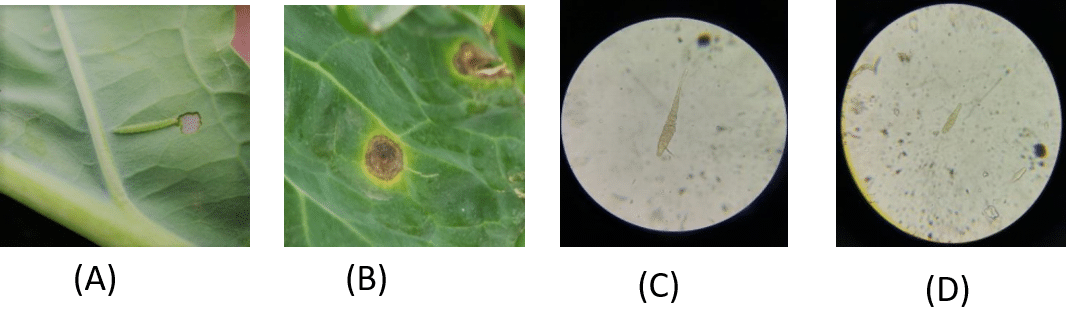
Figure 3. Pictorial presentation of pest and disease found in the experimental field, (a) feeding of Diamondback caterpillar, (b) An infected leaf by Alternaria leaf spot, (c) Microscopic view of Alternaria brassicae and (d) Alternaria brassicicola.
2.7 Data collection
Four plants were randomly selected from each plot for data collection. Vegetative parameters, including plant height and leaf number, were recorded at 40, 55, 70, and 85 days after transplanting (DAT). At harvest, phenological data (days to bud initiation), morphological traits (stem length and diameter, root length, leaf area, and fresh and dry weights of leaves and stem), and yield attributes (bud length, diameter, weight, number of marketable buds per plant, yield per plant, and yield per hectare) were recorded. Buds weighing less than 7 g or showing looseness were excluded from marketable yield calculations. Dry matter content was determined by oven-drying samples at 70 °C for 72 hours until a constant weight was achieved (Gomez and Gomez, 1984).
2.8 Statistical analysis and economic evaluation
Spatial visualization of the experimental site and treatment layout was prepared using QGIS software (QGIS Development Team, 2023, version 3.28), an open-source geographic information system increasingly adopted for agricultural and environmental mapping. The base map was generated from georeferenced field boundary coordinates collected with a handheld GPS unit. Experimental plots were digitized as polygon features corresponding to the randomized complete block design layout. Plot identifiers (treatment codes T₁N₀–T₃N₃), transplanting dates, and organic nutrient treatments were entered as attribute fields to facilitate spatial representation of the treatment arrangement. Map layers were symbolized and labeled using the QGIS layout manager. High-resolution map outputs were exported in PNG and PDF formats for inclusion in the manuscript and for field documentation. Data were analyzed using Statistix 10 (Analytical Software, Tallahassee, FL, USA), following standard procedures for agricultural experiments. Analysis of variance (ANOVA) was performed, and treatment means were compared using Fisher’s Least Significant Difference (LSD) test at the 5% probability level. This method remains widely used for mean separation in crop and horticultural studies when a significant omnibus F-test is obtained (Quantitative Plant Breeding Guide, 2023). Economic analysis included cost of production, gross return (yield × market price ha⁻¹), net return (gross return − total cost), and benefit–cost ratio (BCR = gross return ÷ total cost), following the standard procedure widely adopted in South Asian vegetable research (Gunathilake et al., 2026; Shil et al., 2024; Kumar et al., 2024; Kumar et al., 2022). Interest on operating capital was calculated at a simple rate of 14% per annum, consistent with rates used in recent regional farm budget analyses.
3. Results
3.1 Effect of transplanting time on growth parameters
Transplanting time significantly affected the vegetative growth of Brussels sprouts. Early November transplanting (T1-5 November) consistently produced the tallest plants and the highest number of leaves per plant at 40, 55, 70, and 85 days after transplanting (DAT). In contrast, mid-November (T2-20 November) and early December (T3-5 December) transplanting generally resulted in shorter plants and fewer leaves (Table 1, Table 2). Specifically, at 40, 55, 70, and 85 DAT, the tallest plants (41.40, 47.75, 54.40, and 59.90 cm, respectively) were recorded from T1. However, at 85 DAT, plant height from T1 was statistically similar to T3 (59.27 cm). The shortest plants were observed from T2 at 70 and 85 DAT (51.71 and 57.88 cm). At 70 DAT, the shortest plant height from T2 was statistically similar to T3 (52.58 cm) (Table 1). Regarding leaf number, T1 yielded the highest number of leaves per plant at 40, 55, 70, and 85 DAT (14.21, 24.92, 31.46, and 36.88, respectively). The lowest number of leaves (13.75, 23.08, 28.92, and 34.31, respectively) was recorded from T3, which was statistically identical to T2 (14.04, 23.17, 29.08, and 34.90) (Table 1). Furthermore, early November transplanting (T1) also led to the shortest time to bud initiation, the longest stem length (37.90 cm), and the largest stem diameter compared to the other transplanting dates. The shortest stem length (35.77 cm) was recorded from T2 (Table 2).
Table 1. Effect of planting time and organic nutrient sources on the growth parameters of Brussels sprout at different date after transplanting (DAT).
| T | Growth data at different DAT | |||||||
| Plant height at | Number of leaves per plant at | |||||||
| 40 DAT | 55 DAT | 70 DAT | 85 DAT | 40 DAT | 55 DAT | 70 DAT | 85 DAT | |
| Transplanting time | ||||||||
| T₁ | 41.40a | 47.75a | 54.40a | 59.90a | 14.21a | 24.92a | 31.46a | 36.88a |
| T₂ | 39.92b | 45.79b | 51.71b | 57.88b | 14.04ab | 23.17b | 29.08b | 34.90b |
| T₃ | 39.81b | 45.75b | 52.58b | 59.27a | 13.75b | 23.08b | 28.92b | 34.31b |
| LSD (0.05) | 2.37 | 2.10 | 2.25 | 2.25 | 0.91 | 1.59 | 1.78 | 2.32 |
| CV (%) | 4.00 | 3.08 | 2.90 | 2.61 | 4.42 | 4.58 | 4.05 | 4.48 |
| Organic nutrient source | ||||||||
| No | 36.14c | 40.47c | 46.08c | 51.00c | 11.94c | 19.94c | 25.33c | 30.31c |
| N1 | 41.17ab | 46.67b | 52.94b | 59.08b | 14.28b | 23.94b | 29.92b | 34.97b |
| N2 | 42.00a | 49.17a | 55.61a | 62.58a | 15.03a | 25.39a | 31.39ab | 37.50a |
| N3 | 42.17a | 49.03a | 56.50a | 63.39a | 15.08a | 25.61a | 32.64a | 38.67a |
| LSD (0.05) | 2.74 | 2.42 | 2.60 | 2.60 | 1.05 | 1.84 | 2.05 | 2.68 |
| CV (%) | 4.00 | 3.08 | 2.90 | 2.61 | 4.42 | 4.58 | 4.05 | 4.48 |
In a column means having similar letter (s) are statistically identical and those having dissimilar letter (s) differ significantly as per 0.05 level of probability. T=treatments; T1: Planting 5 November T2: Planting 20 November T3: Planting 5 December and N0: Control (no manure application) N1: Cowdung (CD) @ 15 t/ha, N2: Spent mushroom compost (SMC) @ 7.5 t/ha, N3: Vermicompost (VC) @ 5 t/ha.
Root length, leaf area, and leaf dry matter content showed only modest variations across transplanting times. Bud initiation required the longest period (70.69 days) in T3 and the shortest (67.20 days) in T1 (Table 2). The highest stem diameter (2.67 cm) was recorded in both T1 and T3, while the lowest (2.53 cm) was in T2. Conversely, the maximum leaf area (662.66 cm2) was found in T3, and the minimum (650.71 cm2) in T2. Furthermore, the highest fresh weight of leaves (540.60 g) was recorded in T1, and the lowest (473.71 g) in T2. The highest leaf dry matter content (17.50 %) was observed in T1 (planted on November 5th), and the lowest (14.94 %) in T3 (Table 2).
Table 2. Effect of planting time and organic nutrient sources on the growth parameters of Brussels sprout at harvest (85 DAT).
| T | Growth data at harvest (85 DAT) | ||||||
| Leaf area (cm²) | Days to bud initiation | Stem length (cm) | Stem diameter (cm) | Fresh leaf weight (g) | Root length (cm) | Dry matter content (%) of leave | |
| Transplanting time | |||||||
| T₁ | 657.82 | 67.20c | 37.90a | 2.67a | 625.83 | 29.9 | 8.89a |
| T₂ | 650.71 | 69.33b | 35.77b | 2.53b | 604.31 | 31.5 | 8.44b |
| T₃ | 662.66 | 70.69a | 36.98ab | 2.67a | 631.94 | 31.63 | 8.33b |
| LSD (0.05) | 55.18 | 1.33 | 1.44 | 0.1 | 50.58 | 2.43 | 0.39 |
| CV (%) | 5.74 | 1.32 | 5.34 | 5.27 | 5.58 | 10.71 | 3.27 |
| Organic nutrient sources | |||||||
| No | 576.43c | 70.48a | 28.31c | 2.52b | 513.88c | 27.42b | 8.15b |
| N1 | 651.81b | 68.30b | 37.06b | 2.61ab | 608.44b | 33.94a | 8.48ab |
| N2 | 683.02ab | 68.89b | 40.61a | 2.66a | 663.58ab | 31.61a | 8.64a |
| N3 | 731.90a | 68.63b | 41.56a | 2.71a | 672.19a | 31.06a | 8.94a |
| LSD (0.05) | 63.75 | 1.54 | 1.67 | 0.12 | 58.44 | 2.81 | 0.45 |
| CV (%) | 5.74 | 1.32 | 5.34 | 5.27 | 5.58 | 10.71 | 3.27 |
In a column means having similar letter (s) are statistically identical and those having dissimilar letter (s) differ significantly as per 0.05 level of probability. T=treatments T1: Planting 5 November T2: Planting 20 November T3: Planting 5 December and N0: Control (no manure application) N1: Cowdung (CD) @ 15 t/ha, N2: Spent mushroom compost (SMC) @ 7.5 t/ha, N3: Vermicompost (VC) @ 5 t/ha.
Organic nutrient sources significantly influenced vegetative growth. Vermicompost, applied at a moderate rate, resulted in the tallest plants, greatest leaf number, largest leaf area, and highest fresh leaf weight. In contrast, the unfertilized control consistently exhibited the lowest values for these traits (Tables 1 and 2). Specifically, at 40, 70, and 85 DAT the tallest plants (42.17, 46.50, and 63.39 cm, respectively) were observed with N3 (vermicompost @ 5 t/ha). This was statistically similar to N2 (spent mushroom compost @ 7.5 t/ha), which yielded plant heights of 42, 55.61, and 62.58 cm at the corresponding DATs. Spent mushroom compost and cow dung produced intermediate responses, with spent mushroom compost generally outperforming cow dung in terms of plant height, leaf number, leaf area, and stem traits.
3.3 Interaction effects on growth parameters
The interaction between transplanting time and organic nutrient source significantly influenced plant height, leaf number, and leaf area. Early November transplanting combined with vermicompost (T1N3, T1N2) consistently produced the tallest plants, the highest leaf number per plant, and the largest leaf area (Tables 3 and 4). Specifically, T1N3 plants reached a height of 63.75 cm at 85 DAT, with 39.58 leaves and a leaf area of 704.92 cm². In comparison, T3N3 plants achieved a similar height of 63.83 cm but with a larger leaf area of 810.25 cm². Conversely, early December transplanting without manure (T3N0) consistently resulted in the shortest plants and the lowest leaf number, measuring 51.25 cm in height and bearing 29.25 leaves at 85 DAT, with a leaf area of 574.42 cm². This interaction pattern also extended to stem length, stem diameter, and leaf dry matter content, with the most favorable values observed under early November transplanting with vermicompost and the poorest under early December transplanting without manure.
Table 3. Combined effect of organic nutrient sources and transplanting on plant height and number of leaves per plant at different growth stages.
| T | Plant height (cm) at | Number of leaves per plant | ||||||
| T1N0 | 40 DAT | 55 DAT | 70 DAT | 85 DAT | 40 DAT | 55 DAT | 70 DAT | 85 DAT |
| T1N1 | 37.33c | 42.00d | 47.50d | 51.17e | 12.17c | 21.00e | 26.25e | 31.17ef |
| T1N2 | 42.08ab | 49.08ab | 56.08a | 61.08bc | 14.67ab | 25.42ab | 32.17ab | 37.17ab |
| T1N3 | 43.00ab | 50.67a | 57.17a | 63.58ab | 14.92a | 26.67a | 33.67a | 39.58a |
| T2N0 | 43.17a | 49.25ab | 56.83a | 63.75a | 15.08a | 26.58a | 33.75a | 39.58a |
| T2N1 | 35.67c | 39.92de | 45.25d | 50.58e | 11.67c | 18.75f | 25.25e | 30.50f |
| T2N2 | 40.33b | 45.17c | 50.92c | 56.67d | 14.42ab | 23.33cd | 28.58d | 34.25cd |
| T2N3 | 41.92ab | 49.08ab | 54.75ab | 61.67abc | 14.83a | 25.17 a-c | 30.58b-d | 36.67bc |
| T3N0 | 41.75ab | 49.00ab | 55.92a | 62.58ab | 15.25a | 25.42ab | 31.92a-c | 38.17ab |
| T3N1 | 35.42c | 39.50 e | 45.50d | 51.25e | 12.00c | 20.08ef | 24.50e | 29.25f |
| T3N2 | 41.17ab | 46.92bc | 53.17bc | 59.50c | 13.75b | 23.08 d | 29.00 d | 33.50 de |
| T3N3 | 41.08ab | 47.75b | 54.92ab | 62.50 ab | 14.33 ab | 24.33 b-d | 29.92 cd | 36.25 bc |
| LSD (0.05) | 41.58ab | 48.83ab | 56.75a | 63.83a | 14.92a | 24.83a-d | 32.25ab | 38.25ab |
| CV (%) | 2.74 | 2.42 | 2.60 | 2.60 | 1.05 | 1.84 | 2.05 | 2.68 |
| 4.00 | 3.08 | 2.90 | 2.61 | 4.42 | 4.58 | 4.05 | 4.48 | |
Here T-Treatments, In a column means having similar letter (s) are statistically identical and those having dissimilar letter (s) differ significantly as per 0.05 level of probability. T=treatments; T1: Planting 5 November T2: Planting 20 November T3: Planting 5 December and N0: Control (no manure application) N1: Cowdung (CD) @ 15 t/ha, N2: Spent mushroom compost (SMC) @ 7.5 t/ha, N3: Vermicompost (VC) @ 5 t/ha.
Table 4. Combined effect of organic nutrient sources and transplanting on different growth parameters at harvest
| T | Leaf area (cm²) | Days to bud initiation | Stem length (cm) | Stem diameter (cm) | Fresh leaf weight (g) | Root length (cm) | Dry matter content (%) of leaves |
| T1N0 | 570.67 e | 68.89 cd | 29.08 d | 2.55 a-c | 305.17 f | 26.58 d | 15.54 c-e |
| T1N1 | 665.83 b-d | 66.45 e | 39.25 ab | 2.68 a-c | 563.65 b-d | 32.17 a-d | 17.53 ab |
| T1N2 | 689.02 b | 66.67 e | 41.08 a | 2.70 ab | 666.08 ab | 30.67 b-d | 17.92 ab |
| T1N3 | 704.92 b | 66.78 e | 42.17 a | 2.73 ab | 627.50 bc | 30.17 b-d | 18.99 a |
| T2N0 | 584.21 c-e | 70.56 ab | 27.83 d | 2.45 c | 363.98 ef | 28.00 b-d | 14.83 de |
| T2N1 | 672.63 bc | 68.67 d | 34.92 c | 2.53 a-c | 455.16 c-f | 33.25 a-c | 16.40 bc |
| T2N2 | 665.48 b-d | 69.33 b-d | 40.25 ab | 2.52 bc | 538.08 b-e | 33.33 ab | 15.93 cd |
| T2N3 | 680.54 b | 68.78 d | 40.08 ab | 2.62 a-c | 537.60 b-e | 31.42 a-d | 16.57 bc |
| T3N0 | 574.42 de | 72.00 a | 28.00 d | 2.55 a-c | 321.99 f | 27.67 cd | 14.20 e |
| T3N1 | 620.79 b-e | 69.78 b-d | 37.00 bc | 2.62 a-c | 415.47 d-e | 36.42 a | 14.75 de |
| T3N2 | 645.17 b-e | 70.67 ab | 40.50 a | 2.75 ab | 477.25 b-f | 30.83 a-d | 15.28 c-e |
| T3N3 | 810.25 a | 70.33 bc | 42.42 a | 2.77 a | 851.46 a | 31.58 a-d | 15.53 c-e |
| LSD(0.05) | 93.75 | 1.54 | 3.33 | 0.23 | 191.57 | 5.62 | 1.52 |
| CV (%) | 8.43 | 1.32 | 5.34 | 5.27 | 22.17 | 10.71 | 5.58 |
T=Treatments; in a column means having similar letter (s) are statistically identical and those having dissimilar letter (s) differ significantly as per 0.05 level of probability. Here, T1: Planting 5 November T2: Planting 20 November T3: Planting 5 December and N0: Control (no manure application) N1: Cowdung (CD) @ 15 t/ha, N2: Spent mushroom compost (SMC) @ 7.5 t/ha, N3: Vermicompost (VC) @ 5 t/ha.
3.4 Effect of transplanting time on yield attributes and marketable yield
Transplanting time significantly influenced all major yield attributes (Tables 5 and 6). Early November transplanting (T1) produced the longest marketable buds (4.42 cm), the greatest bud diameter (2.50 cm), the heaviest single buds (11.78 g), and the highest number of marketable buds per plant (22.14) compared with mid-November (T2) and early December (T3). Consequently, T1 recorded the highest marketable yield per plant (0.26 kg plant⁻¹) and per hectare (8.81 t ha⁻¹), while early December transplanting (T3) produced the lowest yield (0.18 kg plant⁻¹ and 5.84 t ha⁻¹).
Table 5. Effect of planting time and sources of nutrients on fresh weight of stem/plant, dry matter content of stem and dry matter content of bud of Brussels sprouts.
| T | Fresh weight of stem per plant (g) | Dry matter content of stem (%) | Dry matter content of bud (%) | Length of marketable bud (cm) | Diameter of marketable bud (cm) | Weight of single marketable bud (g) | No. of marketable buds/plant | Yield/plant (kg) | Yield/ha (t) | |
| Transplanting time | ||||||||||
| T1 | 209.87 a | 22.65 a | 12.16 ab | 4.42 a | 2.50 a | 11.78 a | 22.14 a | 0.26 a | 8.81 a | |
| T2 | 193.75 a | 22.32 a | 11.82 b | 4.09 b | 2.45 ab | 10.85 b | 19.36 b | 0.21 b | 7.08 b | |
| T3 | 209.63 a | 23.68 a | 12.73 a | 3.80 c | 2.40b | 9.97c | 17.47c | 0.18 c | 5.84 c | |
| LSD(0.05) | 21.07 | 1.96 | 0.75 | 0.20 | 0.10 | 0.44 | 0.90 | 0.01 | 0.45 | |
| CV (%) | 12.18 | 10.12 | 7.28 | 5.90 | 4.69 | 4.81 | 5.43 | 7.36 | 7.36 | |
| Nutrient sources | ||||||||||
| N0 | 184.00 b | 21.08 b | 11.19 b | 3.74 c | 2.33 b | 9.82 c | 14.30 c | 0.14 c | 4.69 c | |
| N1 | 200.94 ab | 23.50 a | 12.80 a | 4.03 b | 2.45 a | 10.68 b | 19.78 b | 0.21 b | 7.06 b | |
| N2 | 213.50 a | 22.57 ab | 12.17 a | 4.22 ab | 2.50 a | 11.37 a | 21.96 a | 0.25 a | 8.40 a | |
| N3 | 219.22 a | 24.39 a | 12.77 a | 4.41 a | 2.52 a | 11.60 a | 22.59 a | 0.26 a | 8.82 a | |
| LSD(0.05) | 24.33 | 2.26 | 0.87 | 0.24 | 0.11 | 0.51 | 1.04 | 0.02 | 0.52 | |
| CV (%) | 12.18 | 10.12 | 7.28 | 5.90 | 4.69 | 4.81 | 5.43 | 7.36 | 7.36 | |
T-Treatments, In a column means having similar letter (s) are statistically identical and those having dissimilar letter (s) differ significantly as per 0.05 level of probability. Here, T1: Planting 5 November T2: Planting 20 November T3: Planting 5 December and N0: Control (no manure application) N1: Cowdung-CD @ 15 t/ha, N2: Spent mushroom compost-SMC @ 7.5 t/ha, N3: Vermicompost-VC @ 5 t/ha
3.5 Effect of organic nutrient sources on yield attributes and marketable yield
Organic nutrient sources significantly affected yield attributes and marketable yield (Tables 5 and 6). Vermicompost (N3, 5 t ha⁻¹) produced the longest buds (4.41 cm), largest bud diameter (2.52 cm), heaviest single buds (11.60 g), and the highest number of marketable buds per plant (22.59). This resulted in the greatest marketable yield (0.26 kg plant⁻¹ and 8.82 t ha⁻¹). Spent mushroom compost (N2) ranked second with a bud length of 4.22 cm, a diameter of 2.50 cm, a single bud weight of 11.37 g, 21.96 buds per plant, and a yield of 8.40 t ha⁻¹. Cow dung (N1) followed, while the unfertilized control (N0) consistently produced the smallest buds, fewest marketable buds (14.30 plant⁻¹), and the lowest yield (0.14 kg plant⁻¹ and 4.69 t ha⁻¹).
3.6 Interactive effects on yield attributes and marketable yield
The interaction between transplanting time and organic nutrient source significantly influenced all key yield attributes and marketable yield (Tables 5 and 6). Early November transplanting with vermicompost (T1N3) resulted in the highest number of marketable buds per plant (25.78), maximum yield per plant (0.33 kg), and the highest marketable yield per hectare (10.92 t ha⁻¹). T1N2 showed statistically similar results for many yield traits (e.g., 24.56 buds plant⁻¹, 0.31 kg plant⁻¹, 10.46 t ha⁻¹). In contrast, early December transplanting without manure (T3N0) yielded the lowest performance, with only 14.20–15.55 buds per plant and 4.63–5.37 t ha⁻¹, depending on the comparison, and generally produced the shortest and lightest marketable buds (Figure 4).
Table 6. Combined effect of planting time and sources of nutrients on fresh weight of stem/plant, dry matter content of stem and dry matter content of bud of Brussels sprouts.
| T | Fresh weight of stem per plant (g) | Dry matter content of stem (%) | Dry matter content of bud (%) | Length of marketable bud (cm) | Diameter of marketable bud (cm) | Weight of single marketable bud (g) | No. of marketable buds/plant | Yield/plant (kg) | Yield/ha (t) |
| T1N0 | 189.00bc | 20.66bc | 10.64d | 4.01cd | 2.35cd | 10.36d | 15.55e | 0.16de | 5.37de |
| T1N1 | 220.50ab | 24.13ab | 12.86ab | 4.24bc | 2.44a-d | 11.26bc | 22.67b | 0.25b | 8.50b |
| T1N2 | 223.67 ab | 22.73a-c | 11.97b-d | 4.57 ab | 2.63 a | 12.79 a | 24.56a | 0.31a | 10.46a |
| T1N3 | 206.33 a-c | 23.06 a-c | 13.16 ab | 4.85 a | 2.58 ab | 12.71 a | 25.78 a | 0.33 a | 10.92 a |
| T2N0 | 169.67 c | 19.57 c | 11.15 cd | 3.80 de | 2.33 cd | 9.85 de | 14.11 ef | 0.14 ef | 4.63 ef |
| T2N1 | 192.50 bc | 22.79 a-c | 11.89b-d | 4.08 cd | 2.46 a-d | 10.64 cd | 19.00 cd | 0.20 c | 6.73 c |
| T2N2 | 201.17 a-c | 22.32 a-c | 12.01b-d | 4.21 bc | 2.48 a-d | 11.29 bc | 21.78 b | 0.25 b | 8.21 b |
| T2N3 | 211.67 a-c | 24.60 a | 12.21 a-c | 4.26 bc | 2.51 a-c | 11.60 b | 22.56 b | 0.26 b | 8.73 b |
| T3N0 | 193.33 bc | 22.99 a-c | 11.79 b-d | 3.41 e | 2.30 d | 9.24 e | 13.22 f | 0.12 f | 4.07 f |
| T3N1 | 189.83 bc | 23.58 ab | 13.66 a | 3.78 de | 2.44 a-d | 10.12 de | 17.67 d | 0.18 cd | 5.96 cd |
| T3N2 | 215.67 ab | 22.66 a-c | 12.54 a-c | 3.87 cd | 2.39 a-d | 10.03 de | 19.56 c | 0.20 c | 6.54 c |
| T3N3 | 239.67 a | 25.49 a | 12.95 ab | 4.12 cd | 2.48 a-d | 10.48 cd | 19.44 cd | 0.20 c | 6.80 c |
| LSD(0.05) | 42.15 | 3.92 | 1.51 | 0.41 | 0.19 | 0.89 | 1.81 | 0.03 | 0.90 |
| CV (%) | 12.18 | 10.12 | 7.28 | 5.90 | 4.69 | 4.81 | 5.43 | 7.36 | 7.36 |
T=Treatments, in a column means having similar letter (s) are statistically identical and those having dissimilar letter (s) differ significantly as per 0.05 level of probability. Here, T1: Planting 5 November T2: Planting 20 November T3: Planting 5 December and N0: Control (no manure application) N1: Cowdung-CD @ 15 t/ha, N2: Spent mushroom compost-SMC @ 7.5 t/ha, N3: Vermicompost-VC @ 5 t/ha
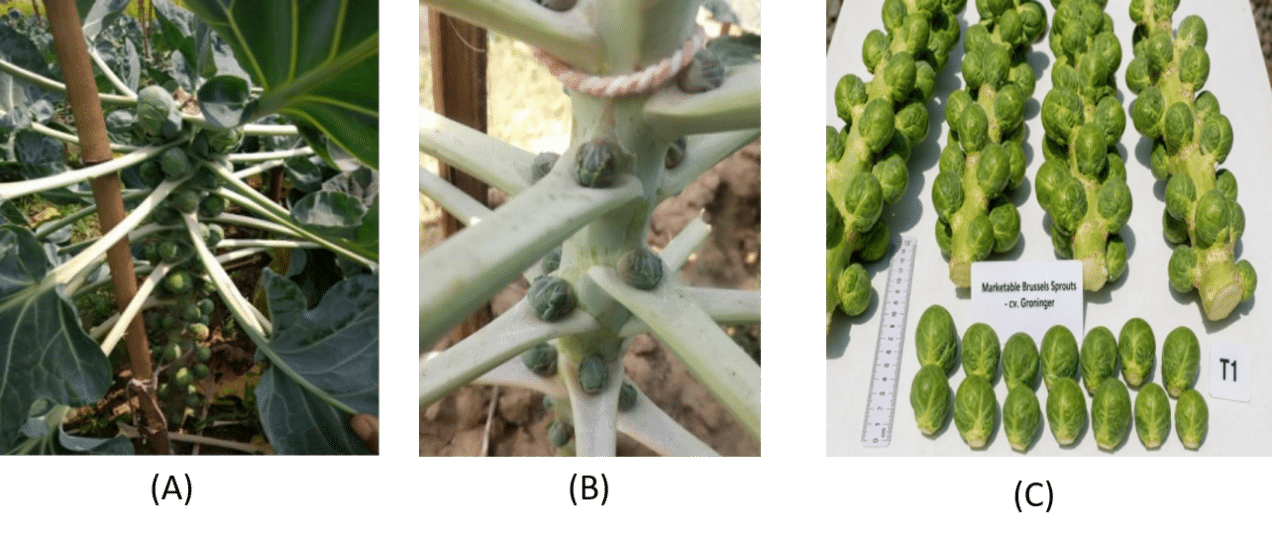
Figure 4. The sprout bearing in the plants (A, B) and sprouts collected for taking data.
3.7 Economic analysis
Economic evaluation showed that both transplanting time and organic nutrient source markedly influenced the profitability of Brussels sprouts production under subtropical conditions in Bangladesh. The total cost of production varied across treatments due to differences in organic input costs, while labor, land lease, irrigation, plant protection, and other overheads remained comparable. Vermicompost, spent mushroom compost, and cow dung all increased total production costs relative to the unfertilized control because of their purchase price, but these costs were more than offset by gains in yield under the best treatment combinations.
Across transplanting dates, the combination of early November planting with vermicompost at 5 t ha⁻¹ (T₁N₃) produced the highest marketable yield (10.92 t ha⁻¹). This translated into the greatest gross return (Tk. 600,600 ha⁻¹) and net return (Tk. 369,000 ha⁻¹). Under this treatment, the total cost of production was Tk. 231,600 ha⁻¹, yielding a benefit–cost ratio (BCR) of 2.59, which was the highest among all treatment combinations. Early November transplanting with spent mushroom compost at 7.5 t ha⁻¹ (T₁N₂) also performed well economically, yielding 10.46 t ha⁻¹ with a gross return of Tk. 575,300 ha⁻¹, a net return of Tk. 343,700 ha⁻¹, and a BCR of 2.48 (Table 7).
By contrast, plots that received no organic manure were consistently less profitable, particularly when transplanting was delayed. The lowest economic performance was observed for early December transplanting without manure (T₃N₀), which yielded only 4.07 t ha⁻¹. This resulted in a gross return of Tk. 223,850 ha⁻¹, a net return of Tk. 75,500 ha⁻¹, and a benefit-cost ratio (BCR) of 1.51. Mid-November transplanting without manure (T₂N₀) achieved a slightly higher yield (4.63 t ha⁻¹) and net return (Tk. 106,300 ha⁻¹) but remained considerably less profitable than treatments that included organic amendments.
Among the intermediate options, early November transplanting with cow dung at 15 t ha⁻¹ (T₁N₁) produced 8.50 t ha⁻¹, with a gross return of Tk. 467,500 ha⁻¹, a net return of Tk. 277,525 ha⁻¹, and a BCR of 2.46. This suggests that cow dung can be economically attractive in situations where vermicompost is not readily available. Spent mushroom compost combined with mid- or late transplanting (T₂N₂, T₃N₂) and cow dung with mid- or late transplanting (T₂N₁, T₃N₁) provided intermediate levels of profitability, with BCR values ranging from 1.55 to 2.07. Overall, the ranking of treatment combinations based on BCR and net return followed the pattern T₁N₃ ≈ T₁N₂ ≈ T₁N₁ > T₂N₃ ≥ T₂N₂ > T₃N₃ > T₃N₂ > manure-free treatments. This underscores the importance of synchronizing early transplanting with a high-quality organic nutrient source.
The significant economic advantage of T₁N₃ reflects both the high yield response to vermicompost and the premium price of Brussels sprouts in the local market. Given that the total costs for vermicompost, spent mushroom compost, and cow dung treatments were similar after accounting for overheads and opportunity costs of land and capital, differences in profitability were primarily driven by yield and marketable bud quality. These findings indicate that early-season transplanting combined with vermicompost at 5 t ha⁻¹ is not only agronomically superior but also economically viable for smallholders aiming to intensify winter vegetable production under organic-oriented management.
Table 7. Effect of planting time and sources of nutrients on the total cost of production, yield of cabbage, gross and net return in BDTK. and benefit cost ratio (BCR) of Brussels sprouts.
| T | IC-2 (BDTK) | Over-head cost (BDTK) | TCB (BDTK) | YBS (t/ha) | GR (BDTK) | NR (BDTK) | BCR | |||
| CD | SMC | VC | MISc | IRC | ||||||
| T1N0 | 0 | 0 | 0 | 4250 | 5100 | 148350 | 5.37 | 295350 | 147000 | 1.99 |
| T1N1 | 37500 | 0 | 0 | 6125 | 7350 | 189975 | 8.5 | 467500 | 277525 | 2.46 |
| T1N2 | 0 | 75000 | 0 | 8000 | 9600 | 231600 | 10.46 | 575300 | 343700 | 2.48 |
| T1N3 | 0 | 0 | 75000 | 8000 | 9600 | 231600 | 10.92 | 600600 | 369000 | 2.59 |
| T2N0 | 0 | 0 | 0 | 4250 | 5100 | 148350 | 4.63 | 254650 | 106300 | 1.72 |
| T2N1 | 37500 | 0 | 0 | 6125 | 7350 | 189975 | 6.73 | 370150 | 180175 | 1.95 |
| T2N2 | 0 | 75000 | 0 | 8000 | 9600 | 231600 | 8.21 | 451550 | 219950 | 1.95 |
| T2N3 | 0 | 0 | 75000 | 8000 | 9600 | 231600 | 8.73 | 480150 | 248550 | 2.07 |
| T3N0 | 0 | 0 | 0 | 4250 | 5100 | 148350 | 4.07 | 223850 | 75500 | 1.51 |
| T3N1 | 37500 | 0 | 0 | 6125 | 7350 | 189975 | 5.96 | 327800 | 137825 | 1.73 |
| T3N2 | 0 | 75000 | 0 | 8000 | 9600 | 231600 | 6.54 | 359700 | 128100 | 1.55 |
| T3N3 | 0 | 0 | 75000 | 8000 | 9,600 | 231600 | 6.8 | 374000 | 142400 | 1.61 |
Here, T-treatments, CLL-Cost of lease of land for 6 months (12% of value of land Tk. 900000/ year)-54000/- throught the growing season, MISc-Cost of lease of land for 6 months (12% of value of land Tk. 900000/ year), IRC-Interest on running capital for 6 months (Tk. 12% of costyear-1), TCB-Total cost of production (Tk.ha-1) [Input cost (A)+ overhead cost (B)]; YBS-Yield of Brussels sprout(tha-1), GR-Gross return (Tkha-1); NR-Net return (Tkha-1), BCR-Benefit cost ratio; Input cost includes: [Input-cost (IC)-1: 85000/-: labour (40,000/-), ploughing (12000/-), seed (10000/-), irrigation (10000/-), pesticides (3000/-), Bamboo sticks (10000/-)] [Input- cost-(IC)2: Organic nutrient sources-N0: Control (no manure application), N1: Cowdung-CD @ 15 t/ha, N2: Spent mushroom compost-SMC@7.5 t/ha, N3: Vermicompost-VC@5 t/ha, where, Cowdung @ 500 Tk/ton, Spent mushroom compost @ 10,000 Tk/ton and Vermicompost @ 15,000 Tk/ton] Also, T1: Planting at 5 November, T2: Planting at 20 November, T3: Planting at 5 December. Now, total cost of production (Tk./ha)=[Input cost-1+2 (A)+ overhead cost (B)]; where, Over-head cost-B includes: (I) Cost of lease of land for 6 months (12% of value of land Tk. 900000/ year); (II) Interest on running capital for 6 months (Tk. 12% of cost/year) and (III) Miscellaneous cost (Tk. 5% of the input cost). We also added-Rate of Brussels sprouts @ 55,000 Tk./ton; Gross return = Total yield (t/ha)×Tk. 30,000; Net return=Gross return-Total cost of production; BCR=Gross return/Total cost of production.
4. Discussion
This study clearly demonstrates that both transplanting time and organic nutrient management exert strong and interactive effects on the growth, yield, and profitability of Brussels sprouts under subtropical conditions in Bangladesh. Early November transplanting consistently enhanced vegetative growth, hastened bud initiation, and maximized marketable yield compared with mid-November and early December planting dates. This highlights the importance of synchronizing crop establishment with the coolest part of the rabi season. Similar benefits of optimized sowing or transplanting windows have been reported in Brussels sprouts and other Brassica crops, where timely planting improved canopy development, biomass accumulation, and yield. Conversely, delayed establishment reduced performance under less favorable temperature regimes (Brown and Hutchison, 2023; Kaur et al., 2023; Çetin and Duman, 2019; Yılmaz et al., 2019; Wang et al., 2018). These results corroborate earlier findings that fine-tuning planting schedules is a cost-effective strategy to stabilize the productivity and quality of cool-season vegetables in warming subtropical climates (Kamboj and Shallu, 2024; Wang et al., 2018).
The superior performance of early November transplanting in the present experiment can be attributed to more favorable temperature and radiation regimes during critical phases of vegetative growth and bud differentiation. These conditions likely prolonged the effective growing period and supported improved bud set and filling. Temperature-driven shifts in floral initiation and bud differentiation, similar to those observed here, have been documented in rapeseed and other Brassica species. In those cases, higher temperatures during early growth curtailed reproductive development and yield (Wang et al., 2018). The present findings thus extend previous work by confirming that Brussels sprouts in subtropical Bangladesh respond comparably to planting-time-induced thermal variation (Brown and Hutchison, 2023; Kaur et al., 2023; Çetin and Duman, 2019; Yılmaz et al., 2019).
Organic nutrient sources also significantly influenced plant growth and yield. Vermicompost at 5 t ha⁻¹ outperformed spent mushroom compost, cow dung, and the unfertilized control for most vegetative and reproductive traits. Vermicompost application resulted in the tallest plants, greatest leaf area, highest leaf dry matter content, larger buds, and the greatest number of marketable buds per plant. This collectively translated into the highest marketable yield per plant and per hectare. Similar yield advantages of vermicompost have been reported for cauliflower, broccoli, tomato, and lettuce, where vermicompost and related organic inputs improved growth, marketable yield, and head or curd quality relative to conventional manures or sole mineral fertilization (Islam et al., 2025; Hasan et al., 2024; Demir and Karakurt, 2024; Al-Rawi et al., 2023; Rabbee et al., 2020; Yasin et al., 2019; Durak et al., 2017). The favorable response of Brussels sprouts to vermicompost in this study is therefore consistent with a wider body of evidence on the yield-promoting effects of biologically active organic amendments across various vegetable species (Kumar et al., 2025; Rehman et al., 2023; Abd El-All et al., 2022; Singh et al., 2022).
Mechanistically, vermicompost improves soil physical, chemical, and biological properties, thereby creating a more favorable rhizosphere environment for Brussels sprouts. Vermicomposting transforms organic residues into a substrate that gradually releases nitrogen, phosphorus, potassium, and micronutrients. This synchronizes nutrient availability with crop demand and reduces losses through leaching or volatilization (Rehman et al., 2023; Wood et al., 2018; Agegnehu and Amede, 2017). Enrichment with humic and fulvic substances in vermicompost can stimulate root growth, enhance membrane transport processes, and up-regulate hormonal signaling, which in turn promote vigorous shoot growth and yield formation (Nardi et al., 2021; Canellas et al., 2015). Furthermore, enhanced microbial biomass and elevated activities of key soil enzymes in vermicompost-amended soils accelerate organic matter mineralization and nutrient cycling (Belay et al., 2022; Agegnehu and Amede, 2017). These chemical, biological, and physical enhancements explain the yield optimization frequently observed when vermicompost is integrated into nutrient management programs in intensive vegetable systems (Islam et al., 2025; Rehman et al., 2023; Singh et al., 2022; Rabbee et al., 2020; Yasin et al., 2019).
The significant interaction between transplanting time and organic nutrient source highlights the importance of combining an appropriate planting window with biologically active organic amendments. Early November transplanting with vermicompost (T₁N₃) resulted in the highest plant height, leaf area, stem growth, bud size, number of marketable buds per plant, and marketable yield per hectare. Conversely, early December transplanting without manure (T₃N₀) consistently led to the poorest performance. This synergistic interaction suggests that early transplanting maximizes the effective growing period and environmental suitability, while vermicompost enhances soil fertility and biological activity. Together, these factors optimize resource capture and yield formation under subtropical winter conditions (Norgaard et al., 2022; Belay et al., 2022; Agegnehu and Amede, 2017). The strong response of Brussels sprouts to the combination of early planting and vermicompost also indicates the crop’s sensitivity to both temperature-related constraints and soil organic matter and nutrient status, which are known to underpin productivity and nutritional quality in smallholder vegetable systems (Sarkar et al., 2019; Wood et al., 2018).
Economic analysis confirmed the agronomic advantages of T₁N₃, which achieved the highest gross return, net return, and benefit–cost ratio despite the additional cost of vermicompost. In contrast, late transplanting without organic inputs produced the lowest yield and economic return, demonstrating that delayed planting cannot compensate for poor nutrient management, and vice versa. Comparable trends have been observed in other vegetable systems, where higher profitability was associated with early-season planting, improved nutrient management, and the integration of organic inputs into production systems (Gunathilake et al., 2026; Nkemasong et al., 2025; Kumar et al., 2024; Shil et al., 2024; Singh et al., 2022; Miah et al., 2016). The demonstrated profitability of vermicompost in this study is particularly relevant for organic-oriented and resource-conserving systems in Bangladesh, where declining soil organic matter and nutrient imbalances are major constraints to sustainable intensification (Belay et al., 2022; Sarkar et al., 2019; Agegnehu and Amede, 2017).
Taken together, the results indicate that early-season transplanting combined with vermicompost at 5 t ha⁻¹ provides a robust, low-external-input strategy to improve Brussels sprouts performance, soil health, and farmer income in subtropical environments. As this appears to be among the first systematic evaluations of transplanting time and organic nutrient sources for Brussels sprouts in Bangladesh, the findings offer a practical production package for farmers seeking to diversify winter vegetables with a high-value crop (Rahman et al., 2026; Noda, 2023). Future work should focus on multi-location trials, cultivar screening, detailed soil biological assessments, and post-harvest quality evaluation to refine recommendations and assess the long-term sustainability of vermicompost-based nutrient management in Brassica systems under changing climatic conditions (Rahman et al., 2026; Wood et al., 2018; Agegnehu and Amede, 2017).
Results indicate that farmers in subtropical areas of Bangladesh should transplant Brussels sprouts seedlings in early November to achieve the highest yields and profits. Under these conditions, applying vermicompost at 5 t ha⁻¹ produced the greatest marketable yield (about 11 t ha⁻¹) and the highest benefit–cost ratio, demonstrating that the additional cost of vermicompost is more than offset by higher gross and net returns. Where vermicompost is scarce or expensive, transplanting in early November combined with spent mushroom compost at 7.5 t ha⁻¹ or cow dung at 15 t ha⁻¹ still provides attractive returns and is economically superior to late transplanting or cultivation without manure.
Farmers are therefore advised to prioritize: (i) timely nursery sowing so that 30-day-old seedlings are ready for field transplanting in the first week of November; and (ii) incorporating well-decomposed vermicompost or alternative organic manures during final land preparation to ensure an adequate nutrient supply throughout the growing period. These practices not only increase short-term income from Brussels sprouts but also help improve soil organic matter and soil health, which can stabilize yields and reduce fertilizer dependence over time (Belay et al., 2022; Wood et al., 2018; Agegnehu and Amede, 2017). Given the high market value of Brussels sprouts and the strong economic performance observed under organic-oriented management, farmers seeking to diversify winter vegetables are encouraged to start with small areas using the early-November transplanting plus vermicompost package, and gradually scale up as they gain experience and access to reliable markets (Rahman et al., 2026; Noda, 2023).
5. Conclusions
This study aimed to determine the optimal transplanting time and organic nutrient source for Brussels sprouts under subtropical conditions. We hypothesized that early transplanting combined with vermicompost would enhance growth, yield, and profitability. The results supported this hypothesis: transplanting in early November, coupled with a moderate rate of vermicompost, led to the strongest vegetative growth, the highest number of marketable buds, and the greatest economic return. Conversely, delayed transplanting and the absence of organic manure significantly reduced performance. These findings suggest that farmers should transplant Brussels sprouts in the early cool season and incorporate well-prepared vermicompost—or other quality organic manures if necessary—during final land preparation to improve both yield and income. A remaining research gap is the limited understanding of how this management package performs across various soil types, climatic conditions, and years, as well as its long-term effects on soil health, environmental outcomes, and detailed post-harvest quality. Future studies should therefore test these recommendations in multiple locations and seasons, evaluate a wider range of vermicompost rates and combinations with mineral fertilizers, and assess their impacts on soil biological properties, environmental indicators, and the storage and nutritional quality of Brussels sprouts.
