




Climate change is one of the biggest issues of our time. With high confidence, Intergovernmental Panel on Climate Change (IPCC) in its last report (AR6) stated that between 2011 and 2020, the global surface temperature increased by around 1.1 °C compared to 1850–1900 (1.09 ranges from 0.95 to 1.20 °C); increases were greater over land (1.59 ranges between 1.34 to 1.83 °C) than over water (0.88 from 0.68 to 1.01 °C) (IPCC, 2023). The report added that observed warming is caused by greenhouse gases (GHGs), primarily CO2 and methane (CH4), with aerosol cooling partially masking the warming effect. In this sense, GHG emissions have anthropogenic causes. The following statistics about greenhouse gases, including the amount of greenhouse gases emitted annually has increased by 53%, from 32.6 Gt CO2e in 1992 to 49.8 Gt CO2e in 2019 (Stavi, 2023). Congruently, the total greenhouse gas concentration of CO2e in the atmosphere increased by 33% from 382 parts per million in 1992 to 508 parts per million in 2021. The main greenhouse gases, such as carbon dioxide (CO2), methane (CH4), and nitrous oxide (N2O), have seen increases in the atmosphere by 17%, 10%, and 8% respectively. Accordingly, climate change mitigation would be a remarkable effort to combat global warming. Climate change mitigation refers to an anthropogenic intervention that reduces the sources or enhances the sinks of greenhouse gases.
Apart from several ways of mitigation, soil carbon sequestration is one of the most precious ones. Approximately two-thirds (or 1500 Pg) of the world's carbon is stored in surface soil, which is bigger three times that of the carbon pool of the atmosphere (Wang et al., 2016). As a result, even a slight alteration in the soil's carbon pool will have a significant effect on GHG (Zhang et al., 2023). Among the soils, agricultural soil is the only media that easily can be prepared as a carbon sink in a short time. A carbon sink means that the pool can store Carbon from the in-touch environment. Yet, agricultural soil can act as a C source as well based on factors like agricultural practices, fertilizers, and soil erosion (Sigua et al., 2014). One of the most advantageous ways to prepare agricultural soil for carbon sinking is called carbon sequestration. The IPCC defines carbon sequestration as the process of raising a carbon pool's content other than the atmosphere. Consequently, soil carbon sequestration is the process by which plants or other organisms take carbon from the atmosphere and transport it to the soil, where it is stored as soil organic carbon and increases the soil's global carbon stock (Johnson et al., 2007).
In this study, the role of agricultural soil carbon sequestration for climate change mitigation was used as the core of the constructed terms in the Scopus in all timespan to track the overall collaborations and trends of the field. Bibliometric analysis using RStudio and VOSviewer was utilized to generate cooperation networks, co-word analyses, co-citation network analyses, development of a study, publication patterns, including the most cited papers, the most productive countries and institutions, the top contributing authors, the most active journals in the field of study and research hotspots, which provides insights on the discipline's broader knowledge structure and environment (Ejaz et al., 2022). The main beneficiaries of this study would be funding agencies, decision-makers, journal editors, conference managers and researchers. The former would learn about the central core trend in this field, while the latter would be able to make well-informed funding decisions.
2. Research methodology
2.1 Bibliometric analysis
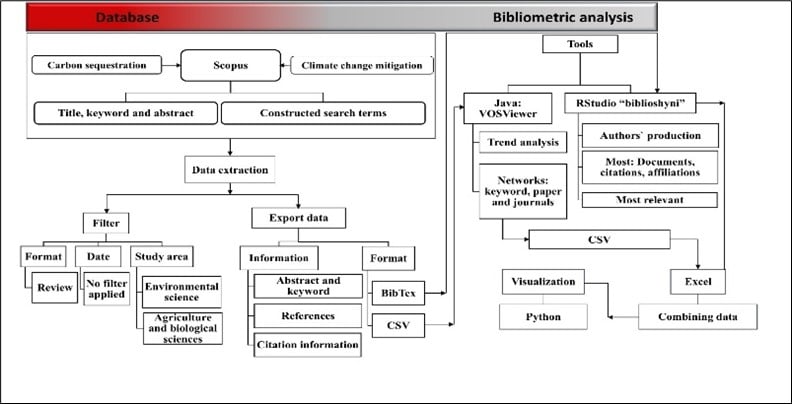
We plotted the bibliometric knowledge map for agricultural soil carbon sequestration to mitigate climate change using VOSviewer and presented the key issues and future directions in the subject based on the data that is currently available on SCOPUS. Some of the bibliometric parameters considered in this study are publication type, publication year, countries, institutions, keywords, authors, journals, and articles. In addition to the above tool, R programming language can be used to uncover research streams and themes using keywords found in papers by employing the bibliometrix package, which provides a set of tools for quantitative bibliometrics research (Aria and Cuccurullo, 2017). BibTex format (exists in Scopus) is required to load the data via RStudio (console): install.packages(“bibliometrix”); library(bibliometrix); biblioshyni(). Then, we uploaded the data to biblioshyni to provide a review of the various selected keywords for conducting bibliometric analysis, performance analysis and visualization. Probably the best reasons to use R over other languages for scientific computation are its extensive, powerful statistical algorithms, its integrated data visualization capabilities, and its availability of excellent numerical routines (Aria and Cuccurullo, 2017).
2.2 Data collection and processing
In this study, we used Scopus bibliometric analysis (based on title, keyword and abstract) because this database has a huge number of documents related to this study. For bibliometric analysis construction of search terms is considered as the dominant part, accordingly, we have carefully constructed the keywords in line with the Scopus guideline to find the maximum available documents (Smyrnova-Trybulska et al., 2018).
The constructed search term is SA= Agricultural Soil* AND (Carbon* OR C OR “soil organic carbon” OR SOC OR “Carbon sequestration*” OR “Agriculture* soil” OR “soil inorganic carbon” OR SIC OR “microbial biomass carbon” OR MBC OR “biological carbon” OR “organic matter” OR OM) AND (“GHG*” OR CO2 OR “carbon dioxide” OR methane OR CH4 OR N2O OR “nitrous oxide” OR “emission* reduce*” OR “climate change” OR “mitigate*” OR “soil carbon sink” OR “soil carbon source*” OR “soil carbon loss” OR “cropland”). SA stands for study area which is limited to “Environmental Science” and “Agriculture and Biological Sciences” in the Scopus. While searching the terms, two query-based characters quotation (“”) and asterisk (*) are used. The quote marks are used to obtain precise and exact formulations, whereas the asterisk is used to retrieve all possible variants of the words (Zhang et al., 2023). For example, the word "sequestrat*" is the root of other words, including “sequestration”, “sequester”, “sequestrating”, and “sequestrated”. After the screening, comparison, and filtering, 864 documents were finally obtained with no date filter application. The filter options were restricted to the study area in Environmental Science and Agricultural and Biological Sciences, document type as a review, language in English, and date left unfiltered to retrieve all existing data (Figure 1).
Figure 1. Review model of the research on agricultural soil carbon sequestration to mitigate climate change.
3. Results and discussion
3.1 General evolution trend analysis
The research landscape on agricultural soil carbon sequestration for climate change mitigation, without focusing on a specific timeframe. Initially, searching Scopus brought up over 20,000 documents under “Articles” and “Review,” making a bibliometric analysis nearly impossible in a single study. To narrow it down, we filtered the “Document Type” to only “Review.” This left us with 864 published papers from 300 sources, authored by 3,673 researchers, with 42.59% international co-authorship and an annual growth rate of 9.36% (Figure 2). The whole processes show an increase against the time (R2 = 0.63).
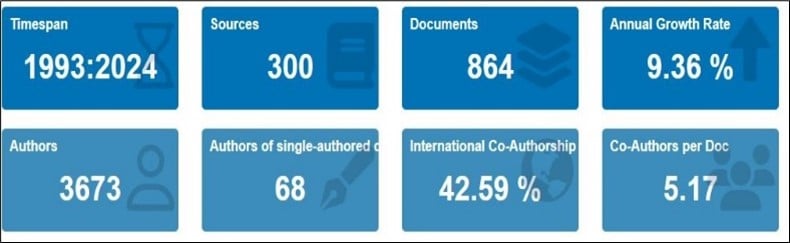 Figure 2. Main information of the dataset used in agricultural soil carbon sequestration to mitigate climate change from Scopus.
3.1.1 Historical development
In the historical development, existing data on Scopus related to our searched terms started from 1993 only with 2 publications. The trend slightly rises annually to 15 documents in 2003 and continues to increase to 50 publications in 2017. At this stage, more impactful researchers begin to pay attention to the application of agricultural soil sinks to mitigate climate change (Feng and Kling, 2005) investigated the social effectiveness of private carbon markets that involve trading in carbon sequestered from agricultural soil when the carbon-sequestering practices have sizable co-benefits (positive environmental externalities). Although there are few studies in this period, there is no shortage of high-quality literature in this field. Among all, a pivotal study on agricultural soil for climate change mitigation and food security by (Lal, 2004a) pointed out that the world's agricultural and degraded soils can absorb between 50 and 66 percent of the 42 to 78 gigatons of carbon that have been lost historically. Moreover, at this stage remarkable steps have been taken, they are like the economic potential for agricultural greenhouse gas mitigation (Antle et al., 2007), potential impacts of payments for agricultural soil carbon sequestration on poverty (Antle and Stoorvogel, 2008), impact of agricultural soil carbon sequestration on ecosystem and economic value of carbon sequestration in olive grove soils.
In the rapid stage during and post COVID-19 the annual production increased exponentially from 45 in 2019 to 105 in 2021 which shows a 50% increase in the production. Studies on soil health and carbon sequestration, biomass and carbon storage in agricultural landscape, transitions on farmland could sequester atmospheric carbon in the soil (Wiltshire and Beckage, 2022), measurement and estimation of SOC and net greenhouse gas (Oldfield et al., 2022) and impact of fertilizers on soil organic carbon (Liu et al., 2024) are the best examples of recent emerged studies. In 2022 and 2023 the production reached 100 and 150 documents respectively.
3.2 Interrelationship analysis of the institutions
Climate change is a pressing global issue that requires worldwide cooperation to address effectively. As key players in this effort, research institutions and centers collaborate to strengthen academic networks both locally and internationally. The number of published papers and total citations serve as indicators of an institution’s influence and contribution to knowledge in this field. For this study, the originating institution of each paper is determined by the first author’s affiliation. Based on the total link strength of publications on agricultural soil carbon sequestration from 1997 to 2024, the top 20 institutions worldwide are listed (Table 1, ranked from highest to lowest total link strength in VOSViewer), while all collaborating institutions are visualized (Figure 3).
There are 5 institutions from Pakistan, accounting for 32.05% of the top 20 institutions based on total link strength so, this country stands first in interrelation and collaborating institutions. Among all, Lahore College for Women University, Pakistan, University of Lleida, Spain and Hainan University, China with 15 TLS each (equally) stands at the first rank in the present constructed terms. On the other hand, China stands first (equal to Pakistan) according to the number of involved institutions in the field with 5 organizations and second based on total link strength with 25.6%. One involved organization from Ecuador with 6 TLS was seen from all over Africa. Accounting for the TLS rank other significant and impactful institutions in the academic network are the University of Science and Technology of China and the Women's University Multan, Pakistan each with 11 TLS, second rank, followed by the University of Sargodha and Bahauddin Zakariya University Pakistan each with 10 TLS, third rank.
Table 1. Top 20 highly cooperated institutions in agricultural soil carbon sequestration to mitigate climate change.
We have also introduced the CPP indicator, which is defined as the number of citations per paper, to more accurately indicate the domain influence and research quality of each university. In terms of influence and attention on agricultural soil carbon sequestration to mitigate climate change, three Australian Universities La Trobe University, The University of Wollongong and The University of Queensland, are at the top of the list in this field, followed by Colorado State University, University of Science and Technology of China and The Women University Multan. Compared with them, ICAR-Indian Agricultural Research Institute has only 9.33 CPP followed by Sri. Krishnadevaraya University with 5 CPP in the field. This reveals that, in the field of climate mitigation via soil, Indian universities produce lower-quality research than those in Australia and China. This may be because the higher number of publications includes a smaller percentage of low-quality studies.
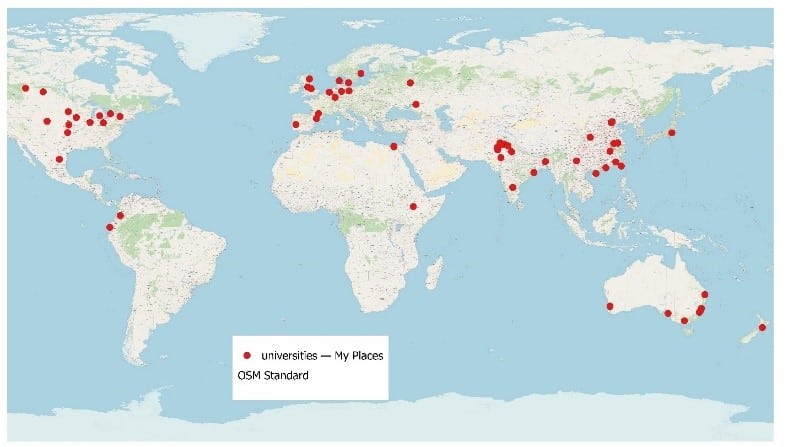 Figure 3. Institutions have published papers on agricultural soil carbon sequestration for climate change mitigation. This figure was generated with the help of Google Earth Pro and QGIS.
3.3 Network analysis of the authors
Considering, early, middle and recent stages for network building between authors on agricultural soil carbon sequestration to mitigate climate change the trend represents an expansion and strength year by year yet, Lal Rattan and Smith P. still are the core of the teams in all three stages due to their influence and productivity along the time (Figure 4). Nevertheless, network building between the authors with same background, nationality and interest is easy to be established, but in case of climate change mitigation via soil sinking the role of multi-disciplines cannot be denied. For this reason, an international collaboration of researchers from social to technical, soil sciences to meteorologists and data science to modelers is required to combat this global issue. Respectively, a rapid, cheap, feasible, measurable and solid approach will be introduced to enhance soil capacity for a better, longer and win-win method to mitigate climate change.
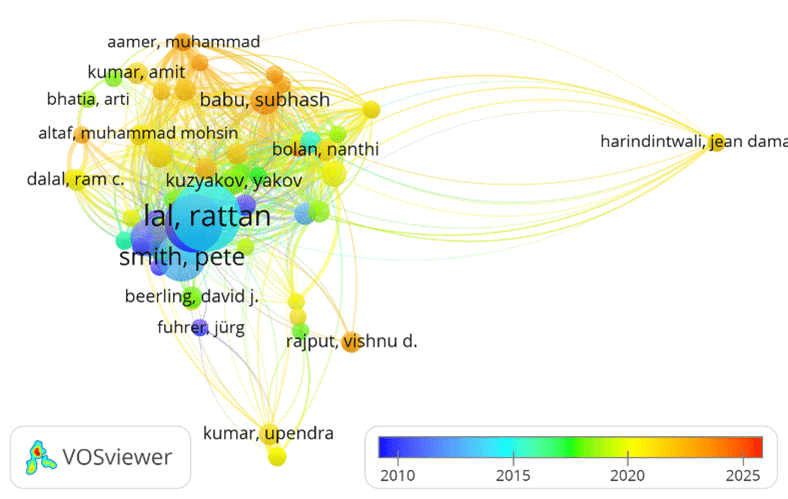 Figure 4. Network analysis of collaborated authors on agricultural soil for climate change mitigation. Legen is based on the average publication per year of authors.
Another key element of the authors` network is their influence which is determined from their total citation. Lal Rattan, Smith P. have the highest number of publications per year (Figure 5), but only Lal Rattan has the most influence with 7451 citations (Jan-2024).
Additionally, in network building two-dimensional communication will not always result in a stronger connected team then, the role of bridging members like Fuhrer and Rajput Vishnu D. are very essential as they connect Kumar Upendra otherwise the author was with zero links. Overall, in the network map, three categories can be seen, outers, connectors and cores indicates Harindintwali Jean, Kumar Upendra and Kumar Amit as outers, Beerling David, Fuhrer, Bolan Nanthi and Rajput Vishnu D. as connectors and Lal Rattan, Smith P. and Kuzyakov, Yakov as core representing the strongest network.
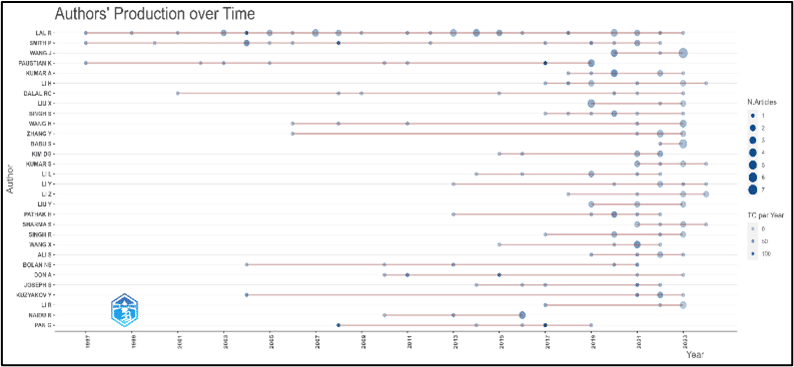 Figure 5. Top 30 authors with high quantity and quality of publications (NP= the number of papers; TCPY= total citations per year).
3.4 Network analysis of cooperation between countries
Countries` strengths in different research fields depend on geographical location, the age of knowledge emergence, the quality of education and the attention of the authorities. Consequently, in terms of our searched keywords on Scopus with no date filtration, 92 countries have published papers (review format) on agricultural soil carbon sequestration to mitigate climate change (Figure 6). Regarding the number of documents, the USA (259 papers, 16.82%) and China (156 papers, 10.56%) make the first and second rank, followed by India (117 papers, 7.6%), the UK (93 papers, 6.03%) and Australia (90 papers, 5.86%) (Figure 7b) represents the frequency of the 10 most frequently connected countries in the world on the constructed terms. The USA established a stronger network with China, the UK, Australia, India, Germany, and Italy with 37, 25, 22, 21, 15 and 12 times respectively (Figure 7a). Considering the TL indicator all top 20 countries have the same level of collaboration however; this number is decreasing in the remaining of the countries (Table 2).
According to the TLS indicator, the intensity of international cooperation, America with 106950 TLS and China with 74903 TLS are the two countries that hold the leading position in agricultural soil carbon sequestration to mitigate climate change (Table 2). America and China are the most collaborative countries in terms of document production, and citation (Figure 6). This is undeniable that other countries have also made substantial contributions to the development of research related to climate mitigation, which implies that the diversified and cooperative growth of different countries and areas will remain a trend in this sector.
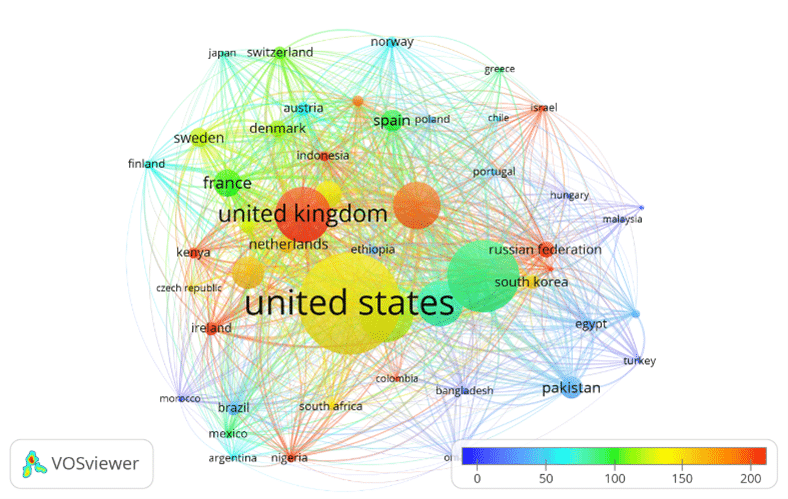 Figure 6. Countries connection based on citation.
quality of the USA, UK, Russia, Sweden and China in climate change mitigation and soil carbon sequestration, this is probably that still some low-quality or repeated papers enter into the cycle of Indian production. Thus, it is needed to closely pay attention to the innovation, novelty and originality of the production to promote the global influence of India in the field. In regard to the TLS impact majority of the countries are European (10 countries among the top 20) followed by America and Asia each 3 countries. The Africa continent has no country in rank though Egypt, Ethiopia, and Kenya have a remarkable global intensity of networking (Table 2).
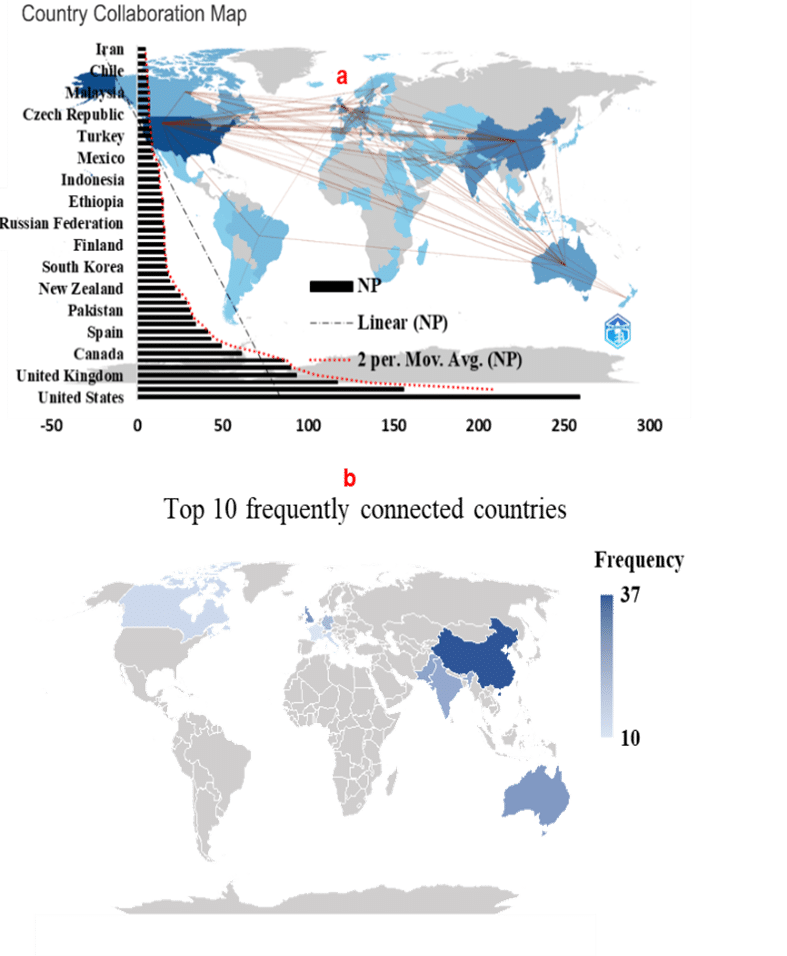 Figure 7. Network map of cooperation between countries on agricultural soil carbon sequestration to mitigate climate change; a) represents the strength of countries accounting for the documents while; b) represents the top 10 frequently connected countries in the field (NP: the number of papers; generated by www.bing.com).
Table 2. Top 20 highly cooperated countries in agricultural soil carbon sequestration to mitigate climate change.
3.5 Co-occurrence analysis of the keywords
Co-occurrence analysis is used to identify the most important topics and assess their trends over time (include the top 30 most frequent words extracted in the field of agricultural soil carbon sequestration to mitigate climate change. Furthermore, the network map in the form of a cluster between highly occurred words is shown in (Figure 8a) (cluster network) and b (word cloud). When keywords are closer together, they become more similar, while farther apart keywords form differ-ent branch groupings. The keywords can be divided into five different clusters.
The red cluster is related to climate change and land which is an atmospheric and lithospheric interaction in the biosphere. And high-frequency keywords include climate change, land degradation, soil fertility, land use, photosynthesis, crop, conservation tillage, salinity and abiotic stress.
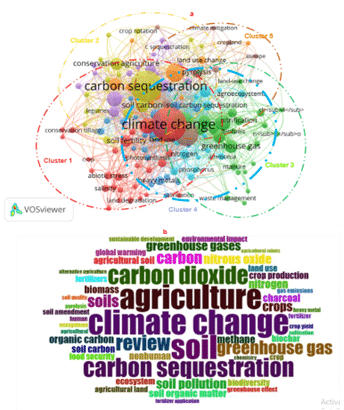 Figure 8. a) The cluster networking of the keywords co-occurrence; b) shows the word cloud map on agricultural soil carbon sequestration to mitigate climate change.
In the gaseous geochemical cycle, soil and atmosphere are two major pools of circulation. In terms of carbon, the cycle between land (soil) and atmosphere is via plants (major not all) with the help of photosynthesis, where plants take carbon in the form of CO2 and store the Carbon, but release back the O2 in the atmosphere. Based on the review of the literature, it is suggested that to address climate change and related issues like food security, management choices that decrease soil erosion, boost carbon sequestration to enhance soil functions, quality, and health, and strengthen the resilience of soils and cropping systems will be necessary (Lal et al., 2011). By adding together all of the benefits and drawbacks of cover crops for the net capacity to reduce global warming in agricultural areas, one may assess how capable they are of reducing climate change (Kaye and Quemada, 2017).
After climate change, carbon sequestration is the second core of the entire keywords network map and the main core beside soil carbon in cluster 2 (yellow) (Figure 8a), the cluster shows the potential of soil to mitigate climate change in the context of carbon sequestration. The most frequented keywords in the second cluster include carbon sequestration, soil carbon, crop rotation, legumes, conservation agriculture and soil fertility. Excessive concentrations of carbon-based gases (CO2 and CH4) in the atmosphere caused climate change, therefore carbon sequestration is being highly focused to be mitigated. Sequestering carbon reduces its emissions and mitigates climate change by absorbing and storing it to keep it out of the atmosphere (Chaukura, 2019). Carbon can be sequestered in many ways including plants, water and soil, in this review only soil-based sequestration of cropland is under consideration (Adeel et al., 2022). Due to its high sinking capacity of carbon, the soil has the power to slow down climate change (Prakash and Shimrah, 2023).
The keywords in cluster 3 are connected with greenhouse gases, nitrification, waste management, biofuels, manure, CH4 and land use change. In this cluster relation of climate change and greenhouse gases is the main network. Methane and carbon dioxide are two examples of greenhouse gases that contribute to the greenhouse phenomenon, which raises the earth's surface temperature and is the main driver of climate change (Moron, 2013). Moron (2013) examined the correlation of CO2 and global temperature, the R2 in the Northern Hemisphere is 48% and in the Southern part is 44%. In contrast to others, he asks “If global warming is caused primarily by manmade increases in CO2, why there is not a 0.90 (90%) correlation?” Hence, he concluded “evidence of warming is not evidence of what causes the warming”.
Cluster 4 contains soil carbon sequestration as the core of the cluster, photosynthesis, nitrogen, phosphorus, agroecosystem and heavy metals are other keywords included in the same circle. Likewise, the focused network is on soil carbon sequestration and climate change. Combining (Figure 8a) cluster 4 and (Figure 8b) (light green) depicts that to mitigate climate change some amendments are required to enhance the soil potential for carbon sequestration, as a result, the related words like biochar, charcoal, sustainable agriculture, nitrogen and heavy metal are identified by both approaches VOSviewer (Figure 8a, cluster 4) and Biblioshyni (Figure 8b, light green). In a simulation (Moinet et al., 2023) stated that the potential contribution of soil organic carbon sequestration to mitigating climate change will drop from 53% to 81% by the year 2100
Cluster 5 (brown) represents a stronger connection with climate change accounting for their TLS but the co-occurrence closeness ratio is low (Figure 8a). The core of cluster 5 is climate mitigation, pyrolysis, and cropland strongly linked with climate change cluster 1 and soil carbon sequestration cluster 2. The above relation illustrates a direct focus of researchers on agricultural soil (cropland), soil carbon sequestration and climate change. Unlike other clusters, one geographical location “Europe” has been included in cluster 5, this shows that the term climate mitigation is being more under consideration in this region. Pyrolysis is one proposed method for converting biomass wastes into biochar (Zhang et al., 2023).
In recent years, the research heat of some keywords has shown fluctuations, the terms included agricultural soil, crop production, nitrous oxide, biochar, ecosystem, biodiversity, food security, land use, fertilizers and global warming. Among them, global warming and fertilizers became a research hotspot from 2012 to 2014 and peaking up in 2015, but their research heat declined from 2016 to 2020, then increased in 2021 and 2022 finally a drastic rise in 2023 was recorded for both terms. Additionally, some keywords represent an increase in their research heat, they include climate change, agriculture, soil, carbon sequestration, carbon dioxide, methane, greenhouse gases, soil pollution and crops. There are also some keywords whose research heat changes repeatedly in a short time, they include soil carbon, nitrogen, soil organic matter, biomass, nonhuman, charcoal and organic carbon. All the terms show a decline in 2017 and 2018 then, a slight increase in 2019 and a sudden increase during and after COVID-19 (2021-2023). Moreover, the research findings concerning CO2, CH4, and N2O exhibit strong coherence as they fall under the category of greenhouse gases (GHGs). Typically, studies on GHG emissions do not singularly concentrate on a specific greenhouse gas (Zhang et al., 2023). The cumulative distribution of keyword frequency indicates that the initial appearance in light pink corresponds to being the first to attain the highest research heat, almost all the terms from 2021 onwards illustrate a high heat (Figure 9). It can be estimated that from 2021 great attention has been paid to climate change-related terms, sequestration. After all, the trend fluctuated before 2021.
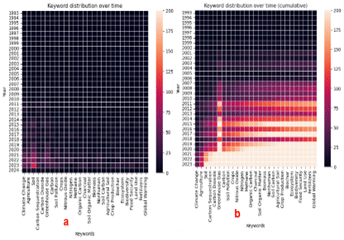 Figure 9. (a) Keywords distribution over time (b) keyword distribution (cumulative) over time.
Research hotspots change with the evolution of time. Recently, temperature and climate change mitigation have become the hotspot in academic, policies and decision-making. Mitigation methods are changing to another hotspot, for example, one of the most effective methods is agricultural soil carbon sequestration. Accounting for these findings, it is suggested that more studies from the following prospective should be conducted in the field, agricultural soil has a remarkable potential to store carbon and consequently mitigate climate change simulated topsoil (0–30 cm) of global croplands (1,410 million hectares), and found (50th percentile), currently contain an estimate of 83 Pg C with a median SOC concentration of 1.37% (or 59.1 Mg C ha−1) (Padarian et al., 2022). However, this number was greater in another projection by as the global C stock of 131.81 Pg C on 1,593.5 million hectares of cropland, or 82.7 Mg C ha−1 was estimated. Padarian et al. (2022) compared their projection with and concluded that a SOC stock of 82.7 Mg C ha−1 would be equivalent to 1.9–2.7%, which may be too high for global croplands, the reason of this greater estimation was to be the data source. Therefore, systematic studies are required to come up with a closer number of Mg C ha-1. According to researchers, global scaling up of sustainable soil C sequestration strategies is necessary (Huang et al., 2022; Padarian et al., 2022). With significant potential for sequestering carbon in the soil, conservation tillage practices—including zero tillage (ZT)—cropping systems, nutrient management, crop cultivars, crop residue management, crop diversification, land use management, application of biochar, and irrigation management are all the angles to be considered (Bhatt et al., 2022). To understand the future impacts of agricultural soil carbon sequestration on the environment, climate change and food security long-term localization experiments should be implemented (He et al., 2023; Prakash and Shimrah, 2023; Padarian et al., 2022; Zhu et al., 2022; Almaraz et al., 2021). The uncertainties of agricultural soil carbon sequestration techniques need to be investigated on a global scale to create a precise data source (Ewing et al., 2023; Lessmann et al., 2022; Oldfield et al., 2022; Rodrigues et al., 2021).
3.6 Network analysis of paper citations
The citations reflect the strength of connections, structural relationship and influence of the papers (Figure 10), which help to assess the contribution of each paper on the entire field (Lee et al., 2023) of agricultural soil carbon sequestration to mitigate climate change. The three most highly cited papers are “Soil carbon sequestration to mitigate climate change” (Lal, 2004b), “Bio-char sequestration in terrestrial ecosystems - a review” (Lehmann et al., 2006) and “Ameliorating physical and chemical properties of highly weathered soils in the tropics with charcoal - a review” (Glaser et al., 2002) (Table 3). These three papers laid an important foundation and pointed out the future research direction for climate change mitigation from the perspective of soil sink for carbon, soil as carbon pool, and organic matter respectively.
Moreover, the H-index is a measure to assess the effect of researchers by quantifying and evaluating the content of scientific evidence (Manjareeka, 2023). The greater H index means greater scientific achievement. It is clear from the ranking that Lal R., Lehmann J., Zhao F.J., and Jones D.l. have higher H index values, demonstrating their significant academic influence and an excellent caliber of the majority of their highly cited works (Table 3). The top 10 reviews cover 60% of the field. These reviews, which have extensive information, careful research, and persuasive conclusions, frequently address the fundamental problems of mitigating climate change through soil carbon sequestration. For example, (Lal, 2004b) in a pivotal review stated that soil carbon sequestration potential was overestimated, he claimed that the SOC sequestration potential is only 0.9 ± 0.3 Pg C/year. However, he pointed out, this technique is the only option we have and the significance of soil carbon sequestration cannot be ignored. In terms of methods to increase soil`s carbon sinking capacity, Lehmann et al. (2006) reviewed the application of biochar using pyrolysis technology. They concluded that systems that use biochar to manage soil can absorb carbon and easily verify and account for the sequestered carbon, thereby reducing carbon emissions in a marketable way (Figure 10). Among the top 10 highly cited publications concentrate on the early research period (2004–2015). It is possible that these studies contributed to developing theories, concepts, and methodologies as well as the fundamental notions that led to the growth of climate mitigation approaches.
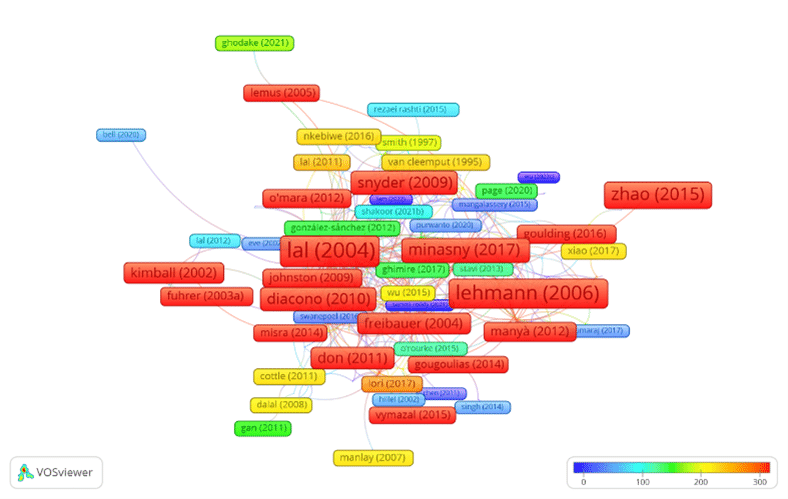 Figure 10. Network analysis of the paper citations of agricultural soil carbon sequestration to mitigate climate change (color shades indicate the citation of the paper).
Table 3 shows a relationship between the highly cited works on the subject of agricultural soil carbon sequestration to mitigate climate change and the most reputable journals. Furthermore, the bulk of articles with more than 1700 citations were during or before 2004. Rapidly appearing highly referenced publications indicated that this discipline has high importance. In the meanwhile, research connected to agricultural soil carbon sequestration to mitigate climate change has been widely acknowledged.
Table 3. Top 10 papers with high citations of agricultural soil carbon sequestration to mitigate climate change.
The dominant paths are made clear by classifying the top 20 highly cited publications in agricultural soil carbon sequestration to mitigate climate change. Accounting the research content, the most cited climate mitigation-related papers focused on the following items, soil has a great potential to sequester carbon (Minasny et al., 2017; Freibauer et al., 2004; Lal, 2004b); among all, agricultural soils have the potential to increase its carbon absorption by proper management (Crowther et al., 2016); for agricultural soil amendment biochar with the help of pyrolysis technology served the best result (Manyà, 2012; Lehmann et al., 2006; Glaser et al., 2002); biological treatment and farming systems enhance agricultural soil carbon sequestration (Friedlingstein et al., 2020). The soil sequestering capability in different according to the geographical locations (Kopittke et al., 2019; Albrecht and Kandji, 2003); agricultural GHG Emission should be decreased; crop types can play a vital role in soil carbon saturation and deficiency (Jensen et al., 2012), and mitigation needs a policy on fertilizers management and application (Snyder et al., 2009; Olesen and Bindi, 2002).
3.7 Network analysis of journal coupling and co-citations
In line with internet development, journals have become the most significant references and indicators of scientific production. Journal distribution analysis can be used to determine the field's original focus and research prominence. The existing data on Scopus about soil carbon sequestration have been published in 300 different journals (Figure 11). Table 4 represents the top 10 ranked journals based on total link strength regarding agricultural soil carbon sequestration to mitigate climate change. In the list, ranked 1 to 5 are Science of the Total Environment, Agronomy for Sustainable Development, Global Change Biology, Sustainability (Switzerland) and Agronomy respectively. In terms of co-citation analysis, Geoderma stands first for publications relevant to agricultural soil carbon sequestration to mitigate climate change. The high quality of published papers in this journal indicates the scientific significance of agricultural soil carbon sequestration for climate change mitigation. The most precious paper in this journal was “Soil Carbon Sequestration to Mitigate Climate Change” written by (Lal, 2004b). The paper scored the highest citation among 864 documents. In this paper, the author estimated soil carbon sequestration capacity which is equal to the greenhouse gases emission from fossil fuels in transport which means soil can store all the emission of fossil fuels emitted from transportation. In addition, he mentioned that soil carbon sink is not a long-term solution for climate change mitigation, however, we should not ignore it. Therefore, it can be seen that Geoderma has special attention on mitigating climate change through soil carbon sequestration. On the other hand, accounting for total citation (source) in the field, Agronomy for Sustainable Development ranked first which illustrates a higher focus of the researchers as well as publishers on climate change mitigation approaches. Agriculture, Ecosystem and Environment ranked second based on total citations with 1109 citations is one the most focused and among the top 10 documents in the field (Snyder et al., 2009).
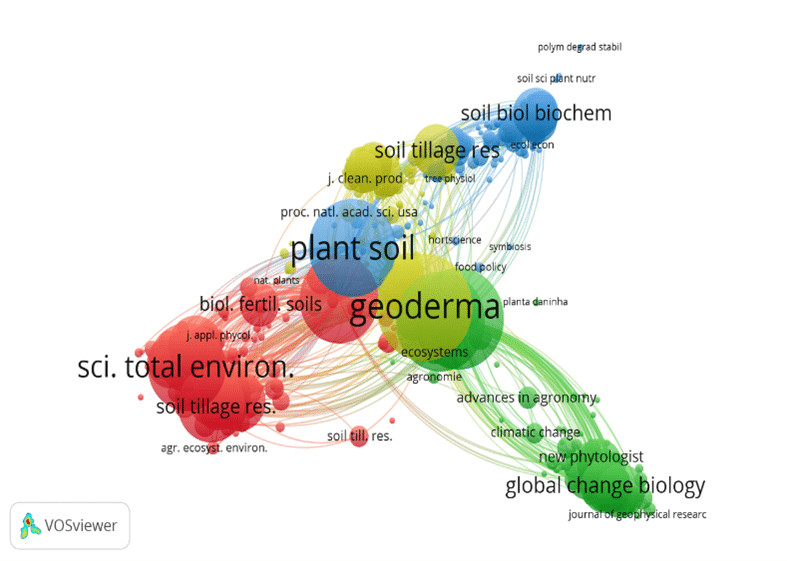 Figure 11. Co-citation analysis of journals based on high citation.
Co-citation analysis identifies journals with a higher co-citation intensity while coupling analysis identifies journals where articles are published most frequently (Zhang et al., 2023; Vogel, 2012; Wang et al., 2011). Highly cited journals are Science of the Agronomy for Sustainable Development, Geoderma, Agriculture, Ecosystems and Environment and Global Change Biology. It also can be seen that the number of publications of Science of the Total Environment is much greater than that of Global Change Biology, but the total citations of the two are relatively close. Under the network analysis of journal co-citations, publications published in Geoderma and Global Change Biology are more easily cited than those published in Science of the Total Environment. This is proven by the much greater co-citation intensities of these two journals. Notably, coupling indicates a stable, long-term link between journals, whereas journal co-citation represents a dynamic interaction (Müßigmann et al., 2020). To overcome the problems in the field of agricultural soil carbon sequestration for climate change mitigation, future research should be based on highly cited papers in mainstream journals and incorporate different views.
Recently, concerns have been raised about the accuracy of the H Index therefore, we included two extra indices (G and M) to evaluate the influence of journals (Table 4). According to correlation analysis, the HI and GI and HI and MI with correlation coefficients of r = 0.97 and r = 0.84 respectively are closely associated. Science of the Total Environment is at the top in all three indices. Likewise, G and M indices are strongly correlated to each other with r = 0.92. On the contrary, the total link of journal coupling is moderately associated with total citations (r = 0.58). Furthermore, impact and total citation have a direct correlation with r = 0.71 the relation illustrates the more citations the greater the impact factor. This means that increasing the total number of citations and the total link strength of co-citations should be given priority to increase a journal's impact factor. Papers published in the agricultural soil carbon sequestration field have a higher chance of being co-cited in the following journals, according to the COPP indicator (Figure 12), Geoderma, Science of the Total Environmental and Plant Soil. This implies that the journals are more linked, well-known, and important. Moreover, agricultural soil carbon sequestration's impact on climate change mitigation is the primary focus of most publications published in the most active journals with high citations.
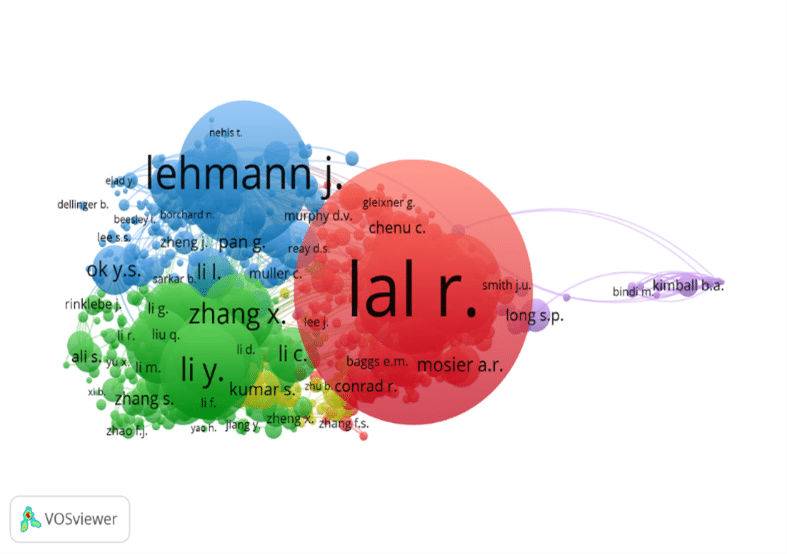 Figure 12. Co-citation analysis of authors based on high citation.
Table 4. Top 10 journals with a high coupling of agricultural soil carbon sequestration to mitigate climate change.
3.8 The relationship between agricultural soil carbon sequestration and climate change mitigation
Understanding the carbon cycle enables us to have a deeper concept of agricultural soil carbon sequestration and climate change mitigation relationship. Carbon moves in different media like soil, atmosphere, water and plants, therefore each media can act as a source or sink of carbon (Figure 13). When the pool exceeds the maximum capacity, then it acts as the source and when still it does not reach to the saturation point the pool acts as a sink. In this context, only sinking media can mitigate climate change. The geosphere-biosphere-atmosphere connection of terrestrial ecosystems is largely dependent on the carbon cycle, which is also essential to their material and energy cycles. The carbon cycle can affect the air temperature, it may increase or decrease if the cycle is disturbed, as a result, changes in the natural cycle of carbon can cause climate change. In this sense, these changes may happen due to either biotic or abiotic factors which makes the relationship between Climate change and the carbon cycle more complicated. Estimates indicate that soil carbon stocks at depths greater than 1 m (~1600 Gt) are twice as large as atmospheric carbon (~800 Gt) (Lal et al., 2021). The most significant carbon sinks and sources of greenhouse gases on Earth's surface are agricultural soils (Rodrigues et al., 2023; Zhang et al., 2023). In the soil media (carbon cycle), decomposers play a vital role. They break down the materials helping for carbon degradation and fixation. Numerous microbial functionalities are linked to nutrient availability, accessibility, acquisition, recycling, and remediation in the soils; so, the presence of dominating communities may be associated with key indications for the unique ecosystem functions of the soils (Sahu et al., 2019).
Climate change can be mitigated through the reduction of GHGs in the atmosphere by the process of carbon sequestration. Carbon sequestration in agricultural soil significantly drops the amount of CO2 in the atmosphere and increases a 0.4% to the growth rate of the annual carbon stock of soil (Kavya et al., 2023). In addition to the microbial community of agricultural soil, climate, agricultural practices, soil properties, type and structure, land use, organic matter and biochar application and land cover are the factors affecting the capability of soil carbon sequestration (Figure 13). The ability of cover crops to mitigate climate change can be determined by summation of their advantages and disadvantages concerning the net capacity to lower global warming in agricultural regions (Kaye and Quemada, 2017). A 7 years after a land-use change, in Bavaria, Germany, (Leifeld and Kögel-Knabner, 2005) identified sensitive SOM fractions in an agricultural system with sandy dystric cambisols using a combination of physical fractionation (size and density separation) and chemical characterization (C-to-N ratios, CuO lignin signature, 13C NMR spectroscopy). Meanwhile, forming organic matter capability of the soil to store carbon not only contributes to soil fertility and health but also significantly mitigates the atmospheric levels of carbon dioxide, a potent greenhouse gas (Elbasiouny et al., 2022). What is more, biochar might produce a net carbon sink of up to 20% when added to the soil and is more stable in biomass return (Lehmann et al., 2006). The ability of various soil types to sequester CO2 varies, and this is mostly due to the physical and chemical characteristics of the soils as well as the impact of human activity and climatic patterns (Rodrigues et al., 2023). In the sense of agricultural practices, No-Tillage led to a much higher contribution of resistant C (like aromatic C) and labile C (O-alkyl C) to SOC sequestration than did conventional tillage, indicating that greater SOC sequestration was caused by more diverse C conversion (Zhu et al., 2022).
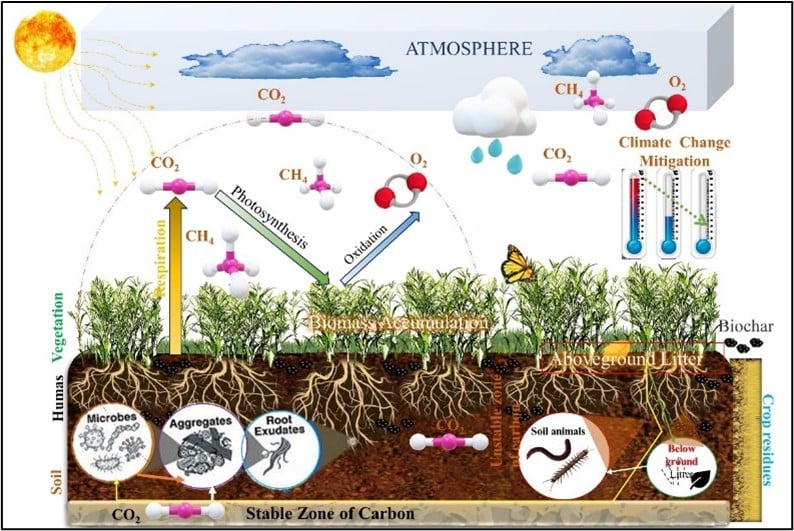 Figure 13. Agricultural soil carbon sequestration has a high potential for climate change mitigation. Soil Biota part of this figure is adopted from, https://carbon2018.globalchange.gov/report_section/12/12_2/.
4. Conclusions
Recently in line with the increase of global warming, climate mitigation through agricultural soil carbon sequestration is being highly under consideration. China and America are the two countries with the largest number of publications, followed by India, Australia, and the United Kingdom. Despite having a higher number of publications, India has a lesser international impact than Australia, the UK and Germany. Lahore College for Women University, the University of Lleida and Hainan University have the most extensive cooperation with other universities, followed by The Women's University Multan, the University of Sargodha and The University of Newcastle. In the case of authors` productivity Lal Rattan, Smith P., Wang J. and Paustian Keith Kim have the highest number of documents while Lal R., Zhao F.J., Jones D.l and Lehmann J. were recognized as the most cited authors based on CPP and H Index indicators.
Acknowledgements
The authors are thankful to Shivaji University for its access to the Scopus website for the data extraction, also we appreciate the Department of Environmental Science for providing all the facilities for conducting this study.
Funding information
Not applicable.
Data availability
Data will be made available on request.
Informed consent statement
Not applicable.
Conflict of interest
The authors declare no known competing financial interests or personal relationships that may cause any conflicts in this paper.
Authors’ contribution
Study conception and design: Amanullah Adeel; Acquisition of data: Amanullah Adeel; Analysis and interpretation of data: Amanullah Adeel, Pooja Ramchandra Dharmoji; Drafting of manuscript: Amanullah Adeel; Critical revision: Amanullah Adeel, Aasawari Suhas Jadhav, Pooja Ramchandra Dharmoji. All authors critically reviewed the manuscript and agreed to submit final version of the published article.
